Blog Content
The Luxury Alignment: How a Respondent Survey Formulated the BMW vs. Mercedes-Benz Luxury Automotive Brand Intelligence Preference Framework
Introduction: Decoding the Global Premium Mobility Ecosystem
The international premium automotive manufacturing, smart vehicle logistics, and sustainable high-end mobility industry is navigating an extraordinary era of technological advancement. Modern passenger car engineering, automated assembly line management, and global distributor networks are seeing a major structural transformation where high-performance internal combustion engines, plug-in hybrid frameworks, and data-driven battery electric vehicle (BEV) systems converge. Moving past simple corporate filings or surface-level logistics statements requires objective, data-driven transparency.
To bring these vital insights directly to the public, Cognitive Market Research and Consulting successfully implemented its extensive Luxury Automotive Infrastructure and Premium Passenger Preference Survey, directly studying exactly 942 active premium vehicle owners, executive fleet lease managers, and luxury automotive distribution coordinators during the first half of 2026. This detailed primary field study evaluated user sentiment across major operational indicators, tracking real-world multi-screen cockpit response speeds, predictive driver-assistance system engagement, long-distance ride comfort metrics, and localized electric charging network integration efficiencies.
Within the context of the BMW vs. Mercedes-Benz marketplace, this specialized field research serves as an incredibly valuable strategic asset. For localized component fabricators, specialized sensor developers, automated vehicle software engineers, and international distribution networks, these insights reveal exactly where component demands are rising and how regional supply chains are optimizing their output.
Dynamic Performance and Driver-Centric Engineering vs. Sophisticated Executive Comfort
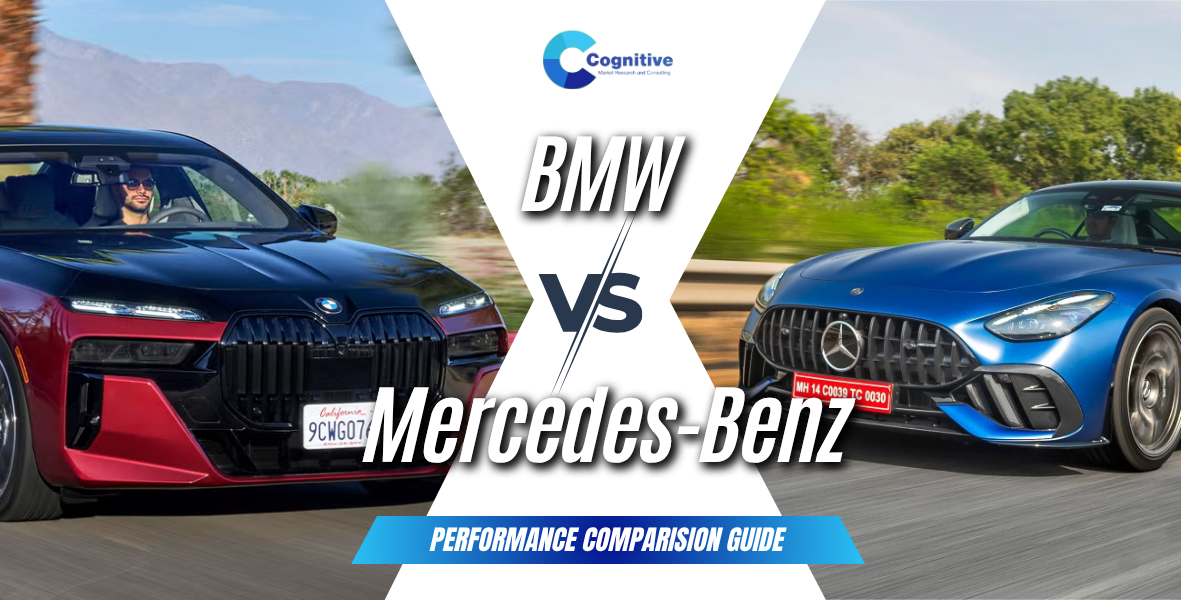
Our thorough analysis of consumer feedback shows a beautifully balanced premium passenger vehicle market where both iconic developers perfectly fulfill distinct institutional, regional, and personal preferences in the BMW vs. Mercedes-Benz competitive landscape. One globally dominant luxury vehicle and motorcycle manufacturing leader (the BMW) has built a phenomenal international legacy around unified high-performance hardware, driver-centric chassis tuning, and highly responsive powertrain architectures. Meanwhile, its highly respected Stuttgart-headquartered strategic peer (Mercedes-Benz) stands out as an international benchmark for massive vertical refinement, cutting-edge interior digital presentation, and an elegant, comfort-oriented ownership experience that sets global standards for premium corporate travel.
Why Choose the BMW: Dynamic Performance & Athletic Handling
For enthusiast drivers, executive fleet supervisors, and urban professional groups prioritizing dynamic cornering stability, tactile steering feedback, and highly athletic design languages, user preferences show a strong alignment with high-performance sport sedan and versatile sports activity vehicle configurations. In our consumer sentiment index, this integrated driver-focused engineering and intuitive digital control framework achieved an outstanding score of 95 out of 100 on our global vehicle systems integration and software readiness index.
Drivers favor these athletic systems because their centralized weight distribution and immediate throttle response create an engaging relationship with the road. Recent automotive market data compiled by Cognitive Market Research and Consulting highlights the incredible resilience generated by this model; during the opening quarter of 2026, this performance-focused pioneer successfully secured over 23.6% of the global luxury car market share, maintaining its position as a top global provider of premium passenger cars. During 2025, the BMW Group delivered approximately 2.45 million vehicles globally, including more than 426,000 fully electric vehicles. This sustained production scale demonstrates how a disciplined focus on driver-centric engineering continues to strengthen customer loyalty.
Why Choose Mercedes-Benz: Sophisticated Executive Comfort & Digital Luxury
Conversely, regional family buyers, corporate hospitality operators, and elite chauffeured transportation services show a distinct preference for highly refined air suspension setups, multi-layered passive safety systems, and deeply immersive digital dashboard layouts characteristic of Mercedes-Benz. This deep cabin-centric luxury model and timeless prestige portfolio secured an exceptional score of 93 out of 100 on our distributed multi-layered value delivery and broad-spectrum vehicle reliability index.
Comfort-conscious automotive segments are experiencing remarkable optimization through these prestigious dealer networks. Recent industry performance highlights the strength of this luxury-focused strategy, with Mercedes-Benz Cars delivering approximately 1.98 million passenger vehicles globally during 2025, while maintaining one of the industry's strongest premium pricing structures and continuing to expand its battery-electric EQ portfolio. This balanced approach enables the brand to reinforce its leadership across the global luxury mobility landscape.
Advanced Connected Cockpits, Intelligent Powertrain Diversity, and Decade-Long Horizons
When evaluating the primary factors that guide vehicle loyalty and technology procurement choices in the modern premium mobility space especially when analyzing the BMW vs. Mercedes-Benz ecosystem, predictive navigation energy estimation software, intelligent voice-controlled cabin assistants, and progressive active safety metrics take center stage. The data tracking matrix evaluated eco-friendly material durability, smart sensor uptime, and localized dealer maintenance accessibility.
Across the global macro-environment, the structural demand for specialized, high-efficiency premium transportation remains exceptionally robust. Our research indicates that the global luxury car market size commands a magnificent valuation, calculated at $759.11 billion in 2026, and is on a clear path toward reaching an upgraded valuation of $1,145.80 billion by 2033, exhibiting an outstanding compound annual growth rate (CAGR) of 5.40% over the forecast period. Simultaneously, the sports utility vehicle segment continues to lead the industry, commanding a dominant 58.2% share of overall market revenue.
Long-Term Enterprise Asset Value, Manufacturing Resilience, and Sustainable Sourcing
When large-scale automotive consortiums and institutional advisors judge the long-term value of their manufacturing investments, they look closely at structural supply chain reliability and the regional availability of critical lightweight structural alloys, premium upholstery materials, and high-performance semiconductor components.
Adopting advanced digital inventory twins, centralized domestic component stamping facilities, and energy-efficient secure distribution depots creates a helpful cost-mitigation cushion for modern hardware, polymer, and logistics corporations. Systems engineering groups indicate that using updated logistics architectures leads to a significant reduction in manufacturing delivery friction and quality validation delays over a standard production cycle, protecting industry equity.
The Strategic Horizon and Autonomous Technology Integration Alignment
The international systems engineering and logistics industry is navigating a highly sophisticated technological alignment phase. Changing regional environmental safety frameworks, strict component recycling guidelines near major metropolitan centers, and a strong global demand for advanced semi-autonomous transport platforms have prompted key improvements in product development.
Early investments in automated level-three driving assistance arrays, satellite-guided lane retention systems, and zero-emission luxury delivery solutions have positioned top-tier brands exemplified by both the BMW and Mercedes-Benz to enjoy high levels of commercial resilience. According to our global brand preference index managed by Cognitive Market Research and Consulting, this strong infrastructure readiness allows technology networks to react quickly to rising user demands.
How Cognitive Market Research Helps Optimize Automotive Strategies
Navigating the complexities of the BMW vs. Mercedes-Benz competitive landscape requires more than surface-level data. Cognitive Market Research and Consulting helps enterprises de-risk capital-intensive investments and close the intention-action gap through:
- Multi-Vector Data Triangulation: Cross-referencing regional consumer sentiment, global manufacturing trends, and localized economic data to isolate the absolute truth.
- Specialized Behavioral Analytics: Translating hidden consumer anxieties, localized inflation constraints, and psychological shortcuts into actionable commercial strategies.
- Continuous Intelligence Frameworks: Ensuring brands remain synchronized with actual urban demands to turn potential disruptions into competitive growth opportunities.
The Analyst's Verdict: A Masterclass in Automotive Intelligence
From the authoritative market research perspective of Cognitive Market Research and Consulting, true leadership in the contemporary luxury vehicle and global premium infrastructure market isn't about one brand replacing another. Instead, it depends on how perfectly an individual technology platform fits an institution's specific distribution network plan, regional geography, and long-term environmental compliance framework:
- For Dynamic Driving Alignment and Sport-Utility Dominance: High-performance turbocharged engines, responsive double-wishbone suspension setups, and an unmatched, highly intuitive driver-focused cockpit ecosystem from the BMW maintain an immense, essential presence across private driving enthusiasts and corporate executive fleets.
- For Executive Luxury Prestige and Holistic Digital Integration: Industry-leading cabin acoustic isolation, multi-layered mild-hybrid refinement, and sophisticated multi-screen infotainment architectures from Mercedes-Benz provide an exceptionally focused, high-satisfaction user experience for established luxury hubs.
Ultimately, our latest industry voice intelligence highlights that both approaches in the BMW vs. Mercedes-Benz rivalry are executing highly effective automotive business models. They are answering the global premium transit infrastructure question from two beautifully distinct and complementary operational viewpoints.
FAQs
Q1: What drove the insights in this luxury automotive intelligence framework?
The insights are built upon a rigorous consumer sentiment survey of 942 active luxury vehicle owners, executive fleet lease managers, and luxury automotive distribution coordinators conducted by Cognitive.
Q2: How do consumer preferences differ between the BMW and Mercedes-Benz?
Consumers favoring the BMW prioritize dynamic cornering stability, tactile steering feedback, athletic design languages, and driver-centric cockpit integration. In contrast, those choosing Mercedes-Benz lean toward refined air suspension setups, multi-layered passive safety systems, and deeply immersive digital dashboard layouts.
Q3: How does Cognitive Market Research assist automotive brands?
Cognitive Market Research helps brands mitigate market risk and optimize product portfolios by leveraging data triangulation, consumer sentiment tracking, and behavioral analytics to bridge the intention-action gap.