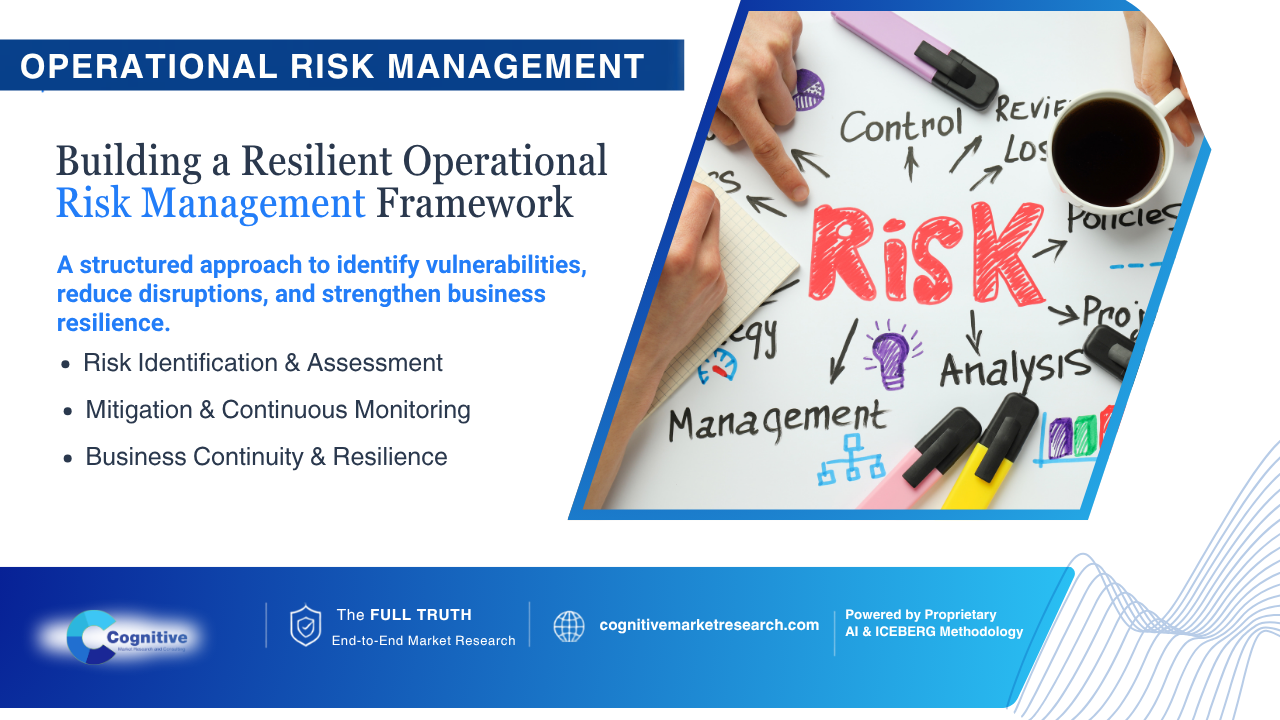
Blog Content
Masterclass: Building a Resilient Operational Risk Management Framework
Introduction: The Hidden Fault Lines in Modern Business
Imagine managing a global manufacturing line or launching a cutting-edge consumer product that looks flawless on paper, only to watch supply chain bottlenecks, human errors, or unexpected system outages derail operations overnight. Every day, organizations face hidden vulnerabilities stemming from day-to-day internal processes, people, technology systems, and external market shifts. Without a structured defense mechanism, these routine frictions turn into million-dollar crises.
That is where a robust operational risk management framework comes in. Unlike broad financial or strategic forecasting, an operational risk management framework focuses specifically on the hazards embedded within everyday execution. Whether you are an enterprise manufacturer balancing complex multi-tier supply chains or an everyday consumer trying to understand how industry leaders navigate uncertainty, mastering an operational risk management framework is the ultimate shield against costly disruptions.
What is an Operational Risk Management Framework?
At its core, an operational risk management framework is a structured, systematic approach designed to identify, assess, mitigate, and monitor operational risks across an organization. According to the Basel Committee and leading enterprise governance standards, operational risk encompasses the threat of loss resulting from inadequate or failed internal processes, human mistakes, system breakdowns, or external disruptions. For manufacturers and enterprise leaders, a well-structured operational risk management framework provides clear visibility into day-to-speed bottlenecks. Rather than reacting to crises after they hit, businesses use an operational risk management framework to establish proactive controls, align cross-functional teams, and safeguard long-term continuity.
The 5 Core Pillars of an Effective Operational Risk Management Framework
Building a sustainable strategy requires a multi-layered approach. Below are the foundational pillars that make any operational risk management framework truly successful:
1. Risk Identification and Assessment
The first step in any operational risk management framework is cataloging potential threats. This involves mapping out every touchpoint from factory floor assembly lines and IT infrastructure to third-party vendor logistics. Organizations look closely at historical loss data, near-misses, and emerging market trends to evaluate both the frequency and severity of potential operational failures.
2. Risk Appetite and Governance
A strong operational risk management framework defines clear boundaries regarding how much exposure an organization is willing to tolerate. Executive leadership and board members establish these risk thresholds to ensure that aggressive growth targets never compromise core operational safety or compliance obligations.
3. Mitigation Controls and Prevention Strategies
Once vulnerabilities are identified, the operational risk management framework mandates the implementation of targeted controls. For manufacturers, this might include automated backup systems, redundant supply chain pathways, strict quality assurance checks, and comprehensive employee training programs designed to minimize human error.
4. Continuous Monitoring and Key Risk Indicators (KRIs)
Operational risk is never static. A mature operational risk management framework utilizes real-time dashboards and Key Risk Indicators (KRIs) such as equipment downtime rates, staff turnover metrics, or supplier delay frequencies to track hazard levels continuously and adjust defenses before a failure occurs.
5. Incident Response and Business Continuity
Even with rigorous controls in place, unexpected shocks can still happen. A resilient operational risk management framework incorporates comprehensive business continuity and disaster recovery plans, ensuring that teams can respond swiftly, minimize downtime, and extract valuable lessons from every operational event.
Why Manufacturers and Enterprises Need an Advanced Framework Today
Modern industrial and consumer markets move at an unprecedented pace. Global supply chains, rapid technological advancements, and evolving regulatory standards mean that legacy safety protocols are no longer sufficient.When manufacturers implement a forward-looking operational risk management framework, they unlock several distinct operational advantages:Downtime Reduction: Proactive monitoring prevents sudden assembly line halts and equipment failures. Cost Optimization: Mitigating risks early prevents expensive emergency repairs, product recalls, and compliance penalties. Enhanced Stakeholder Trust: Transparent risk governance reassures investors, partners, and everyday consumers that the brand prioritizes safety and reliability.
Bridging the Gap: The Role of Cognitive Intelligence in Risk Management
Traditional risk management often relies on surface-level historical data and static checklists, leaving organizations blind to fast-moving market shifts. To achieve true operational resilience, modern enterprises look beyond standard spreadsheets by integrating advanced behavioral analytics and data triangulation. This is where specialized expertise makes all the difference. By partnering with Cognitive Market Research and Consulting, organizations gain access to sophisticated methodologies such as the Iceberg Model and deep consumer-to-enterprise sentiment analysis that uncover hidden operational blind spots. Cognitive Market Research and Consulting bridges the gap between raw data and actionable strategy, helping brands transform high-risk uncertainties into long-term commercial confidence.
Conclusion: Secure Your Operations Before Disruptions Strike
The cost of ignoring operational vulnerabilities is measured in lost revenue, damaged brand reputation, and missed market opportunities. You cannot afford to build your future growth on the shaky foundation of yesterday’s reactive controls. Implementing a comprehensive operational risk management framework is not just an administrative checkbox; it is your ultimate shield against expensive, public failures. Expose your operational blind spots before market volatility forces you to acknowledge them. Contact Cognitive Market Research and Consulting today to leverage our specialized consulting frameworks, advanced analytics, and end-to-end solutions to safeguard your enterprise's success.
Frequently Asked Questions (FAQs)
Q1: What is the primary purpose of an operational risk management framework?
A1: The primary purpose is to systematically identify, assess, mitigate, and monitor risks arising from internal processes, people, systems, or external events, ensuring continuous business operations and protecting enterprise value.
Q2: How does an operational risk management framework differ from financial risk management?
A2: While financial risk focuses heavily on market volatility, credit exposure, and capital liquidity, an operational risk management framework concentrates directly on day-to-day execution hazards, such as supply chain breakdowns, human error, and technology outages.
Q3: How does Cognitive Market Research and Consulting assist businesses with operational risk?
A3: Cognitive Market Research and Consulting utilizes advanced data triangulation, behavioral analytics, and specialized consulting frameworks to help organizations uncover hidden operational blind spots and build resilient, data-driven strategies.