Article
The Strategic Blueprint Re-engineering Enterprise Customer Acquisition
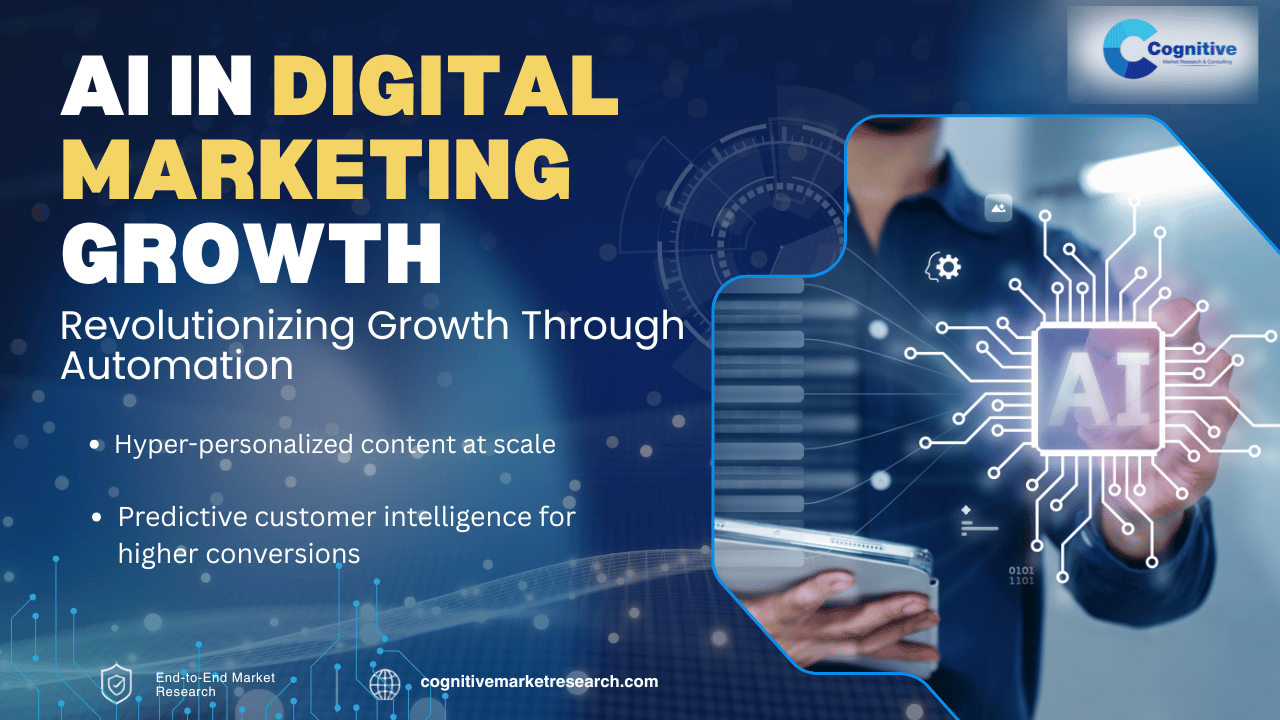
The acceleration of AI adoption and automation in digital marketing and growth consulting services is defined by the migration toward deep-learning predictive intent models, automated natural language generation pipelines, localized programmatic bidding systems, and cognitive consumer intelligence layers that eliminate manual testing cycles.
How are multi-regional enterprises, cloud-native advertising networks, and growth consulting services firms across major hubs in North America, Western Europe, and the Asia-Pacific region integrating artificial intelligence frameworks and automated campaign optimization layers to maximize customer lifetime value and streamline marketing spend?
The Paradigm Shift: When Strategic Growth Intersects with Algorithmic Intelligence
A modern enterprise executive operating within an increasingly saturated digital commerce framework frequently encounters a fundamental operational dilemma: traditional marketing methodologies are failing to keep pace with the hyper-fragmented behavioral pathways of the contemporary consumer. Across global digital channels, corporate marketing teams face massive inefficiencies when relying on manual asset curation, reactive audience segmentation, and retrospective multi-touch attribution reports. In direct response to these systemic operational hurdles, the global services and software sector specifically the specialized subindustry of digital marketing and growth consulting services is undergoing an unprecedented structural transition. This movement is shifting businesses away from static, human-intensive execution toward dynamic, self-optimizing promotional networks powered by artificial intelligence and end-to-end automation.
Statistical trajectory markers analyzed across global tech frameworks indicate a significant upward trend in customer acquisition velocity for organizations that embed machine-learning attribution models into their core distribution architectures. Conversely, platform engagement analysis reveals an escalating drop-off rate for organizations stuck using legacy batch-and-blast communication strategies. These evolving consumer patterns demonstrate why growth consulting services are moving beyond localized tactical optimization to establish comprehensive automation as a foundational element of enterprise marketing strategy.
As forward-looking digital operators look to navigate this massive digital transformation, utilizing dedicated industry analysis such as the exhaustive data tracked within our specialized Cognitive Market Research and Consulting Services and Software Solutions has become an absolute prerequisite for understanding how automated target audience modeling and predictive intent intelligence are fundamentally redefining corporate longevity and modern consumer engagement.
Core Transformations Revolutionizing Content Orchestration and Strategic Campaign Infrastructure
The first major transformation sweeping through the growth consulting services space involves the automated scaling of hyper-personalized hyper-targeted content creation pipelines. Advanced digital marketing ecosystems are integrating deep cognitive systems that move past basic text generation to perform continuous multi-variant content synthesis across multiple channels simultaneously. By executing real-time consumer intent analytics, these automated frameworks continuously modify ad copy, landing page components, and video messaging based on a prospect's historical search trends and direct interaction markers. This high-impact automation allows consulting teams to shift away from manual, repetitive content drafting and reallocate energy toward overarching strategic positioning, resulting in an aggressive expansion of actionable marketing assets.
Simultaneously, machine-learning frameworks are completely revolutionizing programmatic media buying and cross-channel budget allocation architectures. Modern digital advertising requires split-second decision-making across real-time bidding platforms to secure peak exposure within the most valuable consumer segments. Leading growth consultants are implementing predictive machine-learning engines that analyze live auction mechanics, regional audience density trends, and click-through signals to automatically balance advertising capital across multiple ad networks before traditional human managers can even spot the trend. This backend shift moves client ad spending from reactive, scheduled budget reviews to continuous, automated capital optimization.
A third major operational trend is unfolding within consumer predictive intent modeling and dynamic behavior mapping software. Modern consulting groups are bypassing broad demographic classifications and integrating advanced deep-learning matrices directly into enterprise customer data platforms. These integrated systems process unstructured live engagement signals, post-purchase behaviors, and regional micro-trends to map individual conversion pathways, catching potential customer churn or expansion opportunities before they happen. By swapping out backward-looking metrics for live, forward-looking intent profiling, the underlying software architecture unlocks entirely new pathways for building long-term player and consumer loyalty.
Cognitive Market Research and Consulting Viewpoint
Steering Corporate Performance Through Structural Disruption
From the specialized analytical perspective of Cognitive Market Research and Consulting, sustaining long-term market share within a highly automated growth ecosystem requires robust technical flexibility, meticulous data compliance, and deep strategic oversight. Our expert advisory groups notice that while many corporations are eager to launch automated tools for short-term asset creation, enduring market leadership belongs to companies that maintain human-guided creative narratives. Modern consumers exhibit an unmistakable preference for human-inspired brand stories enhanced by automated delivery, rather than entirely generic, unguided text generation. The responsibility of forward-thinking executive teams is to establish a clear deployment strategy where automated layers manage metadata processing, continuous multi-variant testing, and multi-language localization, while expert advisors direct the core messaging and empathetic human elements.
At Cognitive Market Research and Consulting, we guide international enterprises through these complex infrastructure transformations by leveraging our four foundational corporate pillars: cognitive insights, end-to-end solutions, Athenaeum AI, and expert consultation. Through our highly detailed Cognitive Market Research Reports, we provide enterprise software teams and marketing networks with thorough regional data breakdowns, consumer behavioral sentiment metrics, and growth pathway mapping within the services and software landscapes. To move past static consulting advice, our data engineering divisions provide custom deployments of Athenaeum AI Enterprise Tools. This framework integrates expert human analysis with predictive AI modeling and interactive data layers, helping organizations transition from backward-looking spreadsheet tracking to live, proactive ecosystem mapping.
Furthermore, through our dedicated Cognitive Market Research Consulting Services, we work alongside corporate boards to minimize expensive technological integration risks and optimize capital allocation. By monitoring cross-industry movements across our deep catalog of Cognitive Market Research Industry Sectors, we deliver the end-to-end solutions required to transform massive technological shifts into lasting marketplace advantages.
The Strategic Optimization Blueprint: Synchronizing Automated Systems for Long-Term Client Expansion
For enterprise marketing leaders, growth consulting firms, and software distribution platforms aiming to defend their long-term market positions, the path forward requires a structured overhaul of operational workflows. First, organizations need to upgrade their data storage setups by embedding automated metadata indexing across all creative and audience catalogs, keeping legacy assets searchable and ready for automated integration. Second, client engagement channels should connect into unified customer data environments that safely pull behavioral signals into secure, compliant interaction models. Finally, corporate leadership must implement explicit data governance standards to safeguard proprietary brand assets and consumer privacy while maximizing automated optimization engines. By positioning advanced automation as a core corporate resource rather than a series of disconnected software trials, businesses can unlock substantial value from their existing brand equity.
Executive Research Summary: Quantifying the Structural Impact of Marketing Automation
To help strategic planners build valid business cases, Cognitive Market Research has tracked structural performance indicators across a variety of enterprise organizations that integrated advanced automation into their core digital marketing and growth consulting services workflows.
Our comparative analysis highlights several key operational metrics:
- Discoverability and Content Reach: Platforms deploying automated metadata generation and advanced generative search optimization engines achieved a sustained upward trend in overall search engine visibility, noticeably outpacing competitors tied to manual keyword analysis.
- Localization Capabilities: The integration of automated translation systems and real-time accent synthesis for regional video and text distribution sparked a massive surge in cross-border audience capture without forcing companies to scale up local studio footprints.
- Production Pipeline Efficiency: Growth consulting networks that embedded automated computer vision tools into their creative asset verification cycles experienced a dramatic drop in production times, compressing multi-variant review loops from multiple business days to mere minutes.
User Engagement and Retention: Enterprises that altered their digital storefront variations and email touchpoints dynamically using predictive behavioral profiling recorded a sharp drop in subscriber abandonment rates.

 X
X
Article Details
-
Author Aarti Bagekari
-
Published 22 Jun 2026
-
Last Updated 23 Jun 2026
-
Reading Time~3 minutes
Related Reports
Get a Custom Report
Interested in a similar analysis for your market? Our experts can deliver a customized report.
Contact Our ExpertsMore Articles
Explore all published articles across 30+ industry verticals.
View All Articles