Article
The Silent Revolution on Your Plate: Deciphering the 2026–2030 Agricultural Biologicals Megatrend
Summary
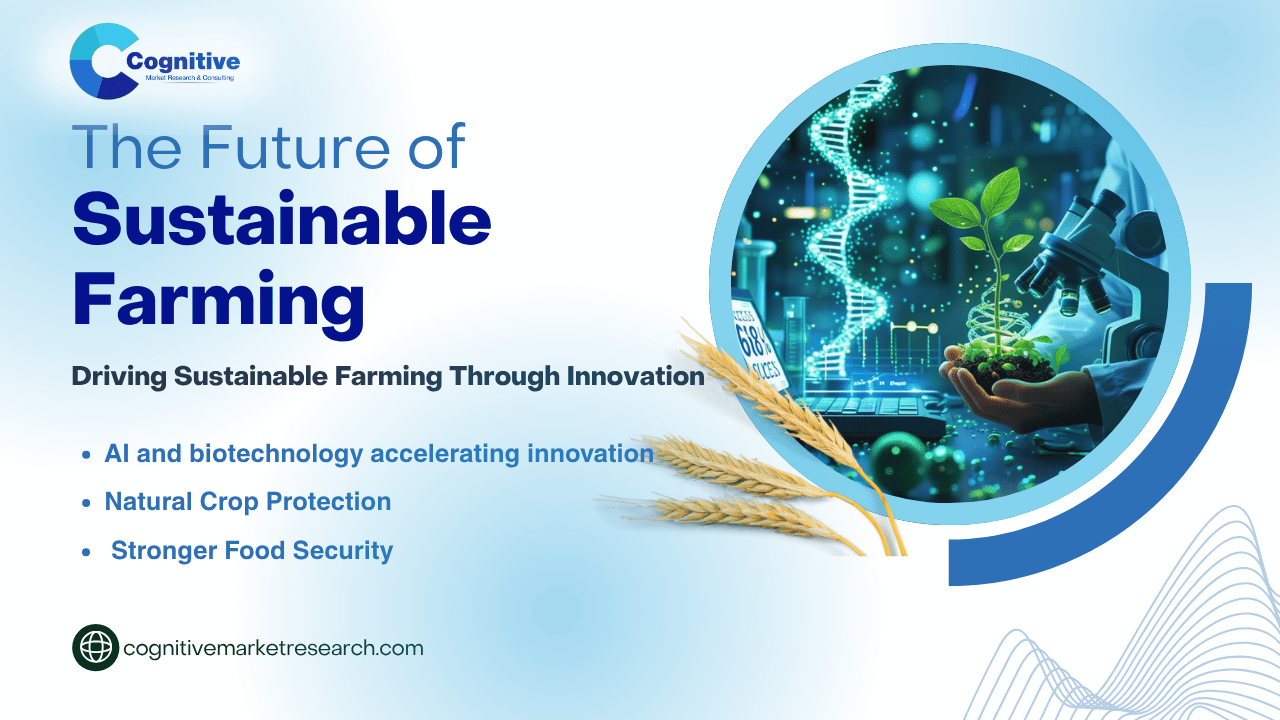
The competitive growth of the global agricultural biologicals market is defined by a distinct shift from conventional synthetic chemicals to nature-based intelligence. Driven by strict international mandates to reduce pesticide usage and a clear consumer shift toward residue-free food, the market is leveraging AI genomic mapping, advanced micro-encapsulation, and climate-resilient biostimulants. Agribusiness leaders like Bayer and Yara are investing heavily in these technologies to restore soil health, protect biodiversity, and secure global food supply chains, establishing biological inputs as essential tools for mainstream commercial agriculture as outlined by Cognitive Market Research Consulting.
A deep dive into global agricultural biologicals market trends from 2026 to 2030. Learn how Cognitive Market Research and Consulting analyzes biopesticides, biofertilizers, and sustainable farming innovations.
Introduction
When you pick up a crisp apple at your local supermarket or slice into a vibrant, ripe tomato for dinner, you are holding the final link in a massive, high-tech industrial chain. For nearly a century, that chain was forged from synthetic chemistry: petroleum-based fertilizers to make crops grow and chemical pesticides to protect them from insects. But if you look closer at the global food system, a fundamental, invisible transformation is taking place.
The global agricultural landscape is systematically shifting away from synthetic chemical molecules and moving toward nature-based intelligence. This domain is known as the Agricultural Biologicals Industry. According to macro-level retail tracking and agronomic forecasting data compiled by Cognitive Market Research Consulting, the global agricultural biologicals market is no longer a fringe playground for niche organic farming. It is experiencing a massive corporate expansion, valued at roughly USD 19.49 billion and aggressively accelerating toward an estimated USD 35 to 50 billion. This structural evolution represents a major shift in how food is grown, treated, and sustained.
Analyzing this phenomenon through an advanced market advisory lens reveals that the biologicals boom is driven by a unique alignment of three powerful forces: changing consumer demands, global regulatory updates, and breakthrough developments in artificial intelligence and genomics.
For the modern shopper, this macro-trend directly influences food safety, environmental health, and the future availability of everyday groceries.
Defining the Ecosystem: What Are Agricultural Biologicals?
To understand how this science is reshaping global supply chains, we must first translate complex agricultural biotechnology into clear, functional categories. Agricultural biologicals are topicals, treatments, and inputs derived completely from naturally occurring materials, microorganisms, or plant extracts. They are broadly categorized into three distinct functional groups:
1. Biopesticides (The Natural Defense Network)
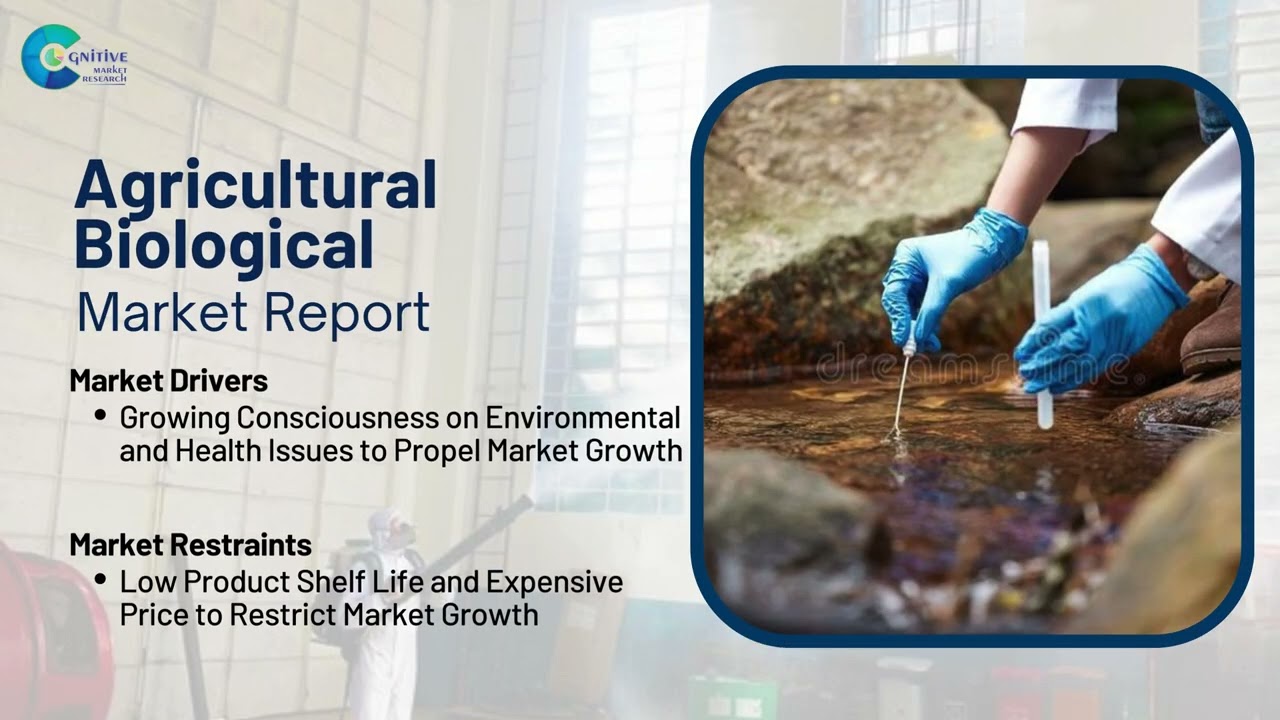
Instead of deploying synthetic toxic chemicals that kill insects but leave problematic residues on food, biopesticides use natural enemies to protect crops. These include beneficial bacteria, microscopic fungi, and plant-derived extracts that naturally target specific pests. They keep crops clean and safe without disrupting the broader local ecosystem or leaving synthetic chemicals on the food we buy.
2. Biofertilizers (The Living Soil Engineers)
Plants require vital nutrients like nitrogen, phosphorus, and potassium to grow. Conventional farming floods fields with chemical fertilizers, but much of that washes away into local rivers, causing massive water pollution. Biofertilizers, by contrast, introduce living microorganisms into the soil. These microscopic organisms attach to the plant's roots, pulling nitrogen right out of the air and unlocking trapped minerals in the dirt to feed the crop naturally from the ground up.
3. Biostimulants (The Climate Resilience Architects)
Biostimulants do not directly kill bugs or feed plants. Instead, they act like a high-performance wellness supplement or an immune-system booster for crops. Made from natural ingredients like seaweed extracts, specific amino acids, or humic substances, biostimulants alter the internal biology of the plant. This helps crops withstand severe environmental pressures, such as extreme heat waves, unexpected flash droughts, and high soil salinity.
Macro-Environmental Triggers: Why the 2026–2030 Window is Crucial ?
The massive transition from conventional chemicals to biological inputs is driven by urgent global events. We are witnessing a clear shift from experimental testing to mainstream adoption.
The Regulatory Wall and the Farm to Fork Mandate
Governments worldwide are implementing strict environmental policies that are systematically removing traditional chemical options from the market. A key driver of this trend is the European Union’s ambitious Farm to Fork Strategy, which requires a strict 50% reduction in the use of synthetic chemical pesticides. Furthermore, the United States Environmental Protection Agency (EPA) recently altered its regulatory pathways under the updated Pesticide Registration Improvement Act (PRIA). By prioritizing low-risk biological substances, the EPA has accelerated product approval times for biological alternatives while traditional chemical molecules face years of regulatory delays.
The Rise of Super-Pests and Chemical Resistance
Just as the over-reliance on antibiotics has led to dangerous, drug-resistant bacteria in modern hospitals, the decades-long overuse of synthetic chemicals in agriculture has created super-pests and resistant plant diseases. In fields across the Americas and Asia, common insects and destructive blights have adapted to withstand traditional chemical sprays. Farmers are turning to biopesticides because biological organisms evolve naturally alongside these pests, breaking the cycle of resistance and providing a more adaptable, long-term defense network.
Shifting Consumer Motives and the Residue-Free Standard
Today’s grocery shoppers are highly informed, deeply conscious consumers. The mainstream market is shifting from a casual interest in basic organic labels toward an absolute demand for residue-free produce. Modern families want to know that their fruits and vegetables carry zero synthetic chemical traces. This clear consumer shift has forced global grocery giants to establish incredibly strict crop sourcing standards, requiring food suppliers to embrace biological alternatives well before harvests ever reach the store shelves.
Cutting-Edge Technology: How AI and CRISPR Are Powering Biostimulants 2.0
Historically, early biological products faced skepticism from conventional farmers. Early microbial strains were often unstable, had a short shelf life, and performed inconsistently when moving from controlled test greenhouses into unpredictable open-field environments. However, the industry is entering an era defined by advanced digital agronomy and precision biotechnology.
AI-Guided Strain Discovery and Genomic Mapping
The biggest bottleneck in biological development used to be identifying the exact microbe needed for a specific agricultural job. There are billions of unique microbial strains hidden in the earth's soil, and manually testing each one takes years.
Today, agribusiness researchers use advanced artificial intelligence and machine learning models to map microbial genomes in seconds. These digital tools analyze thousands of bacterial strains simultaneously, instantly identifying the specific organisms that naturally excel at boosting plant growth or fighting off diseases.
Advanced Encapsulation and Digital Agronomy Integration
A major challenge for living, microbial-based biological formulations is their vulnerability to environmental elements like direct sunlight, high heat, and dry storage conditions. To protect these beneficial organisms, companies are leveraging advanced nano-encapsulation technologies. Microbes are shielded in protective bio-coatings that keep them dormant and stable on retail shelves for months. Once applied to fields, these coatings break down naturally, releasing the active microbes precisely when the plant needs them most. Simultaneously, platforms like BASF Digital Farming’s xarvio BioControl system utilize real-time satellite imagery and AI predictive modeling to analyze regional weather patterns and local pest pressures. This allows farmers to deploy biological treatments at the absolute perfect agronomic window, maximizing field performance and eliminating wasted applications.
Real-World Examples: The Changing Dynamics of Global Agriculture
The global transition toward biological solutions is being shaped by immediate, real-world industry movements and corporate investments.
Massive Investments from Agribusiness Leaders
The world’s dominant crop protection companies are rapidly transforming their business portfolios through strategic acquisitions and expansions. For example, Bayer Crop Science recently committed over USD 100 million to expand its specialized biological research and development hub in California, focusing on next-generation microbial products. At the same time, fertilizer leaders like Yara have scaled their footprint by rolling out comprehensive biostimulant lines across North America, designed to optimize nutrient uptake and reduce chemical runoff into natural waterways.
Government Initiatives and Regulatory Adjustments
National governments are taking direct steps to integrate biologicals into their long-term food security frameworks. India’s Clean Plant Programme represents a massive state-level commitment to building sustainable, disease-free agricultural infrastructure. However, this rapid market growth is creating debate around regional regulatory oversight. In India’s agricultural state of Maharashtra, local manufacturing associations recently raised structural concerns regarding proposed policy shifts back toward inspection-based regulatory controls. This highlights the ongoing global tension between maintaining high product safety standards and ensuring a streamlined, predictable business environment for rapidly evolving agtech companies.
Consumer Value: Why the Agricultural Biologicals Transition Matters to You
While the technical details of soil microbes and regulatory policies interest scientists and corporate executives, the ultimate impact of the agricultural biologicals market is felt directly by the everyday consumer.
1. Shifting the Focus from Volume to Nutrient Density
For decades, the success of mass agriculture was measured strictly by volume—how many tons of corn or wheat could be harvested per acre. Unfortunately, the intense focus on sheer quantity often left soils depleted, leading to crops with lower nutritional value. Because biofertilizers and biostimulants work by improving the health of the entire soil ecosystem, they allow plants to absorb a wider, richer array of natural micronutrients from the earth. The widespread use of these natural inputs drives a shift toward nutrient-dense produce, ensuring the fruits and vegetables on your kitchen table are genuinely healthier and more wholesome.
2. Protecting Global Water Systems and Biodiversity
When conventional chemical fertilizers are over-applied to farm fields, rainwater carries the volatile chemical excess directly into local streams, rivers, and oceans. This toxic runoff triggers massive algae blooms that deplete oxygen levels in water systems, devastating native fish populations and creating massive ecological dead zones. By replacing these volatile synthetic elements with soil-binding living microbes, biological solutions keep nutrients trapped in the root zone where they belong. Choosing food grown through these methods means your grocery purchasing choices actively support the preservation of global biodiversity, cleaner municipal drinking water sources, and long-term environmental sustainability.
3. Securing Long-Term Food Access in a Changing Climate
With global population levels projected to approach 10 billion by mid-century, our global food systems must produce significantly higher yields on a shrinking footprint of arable land. This production challenge is further complicated by increasingly volatile weather patterns, unpredictable frost cycles, and prolonged droughts that drive sudden inflation at local supermarket checkouts. Because biologicals (specifically biostimulants) strengthen a plant's natural immune system and alter its internal cellular biology against harsh environmental conditions, crops become naturally resilient to climate shocks. For you, the adoption of these biotechnologies means a significantly more stable food supply chain, preventing unexpected price shocks and protecting your weekly household grocery budget from macroeconomic volatility.
Strategic Synthesis: How Cognitive Market Research Consulting Guides Global Growth
Navigating the intersection of changing consumer expectations, complex biological sciences, and rapidly shifting international regulations requires data-driven strategy and absolute corporate precision. As global food brands, agricultural manufacturers, and investment firms design their operational roadmaps for the 2026 to 2030 horizon, Cognitive Market Research Consulting serves as the definitive partner for turning market complexity into clear commercial success.
We empower enterprise leaders to look past temporary market noise and make confident investments by utilizing our deep analytical capabilities across four main business pillars:
- Cognitive Market Research Reports: Corporate decision-makers gain immediate access to deep-dive global market sizing, competitive benchmarking, and regional demographic forecasts built specifically around the agricultural, chemical, and biotechnology sectors.
- Ethenium AI Tool: To process changing global market signals without human bias, organizations leverage our advanced predictive modeling platforms, helping teams separate short-term market fads from permanent macroeconomic shifts.
- Cognitive Market Research Consulting Services: Our senior advisory teams provide direct, customized corporate guidance, working hand-in-hand with executives to manage operational risks, optimize supply chain networks, and build sustainable, high-growth business models.
- Cognitive Market Research Industry Sectors: Our extensive sitemapped research network provides complete visibility across complex, horizontal global supply chains, ensuring your enterprise stays perfectly aligned with shifting consumer values from the laboratory floor to the retail shelf.
 X
X
Article Details
-
Author Sneha Mali
-
Published 19 Jun 2026
-
Last Updated 23 Jun 2026
-
Reading Time~3 minutes
Related Reports
Get a Custom Report
Interested in a similar analysis for your market? Our experts can deliver a customized report.
Contact Our ExpertsMore Articles
Explore all published articles across 30+ industry verticals.
View All Articles