
Article
Navigating the Global Urology Devices Market: Trends, Growth Drivers, and 2035 Forecast
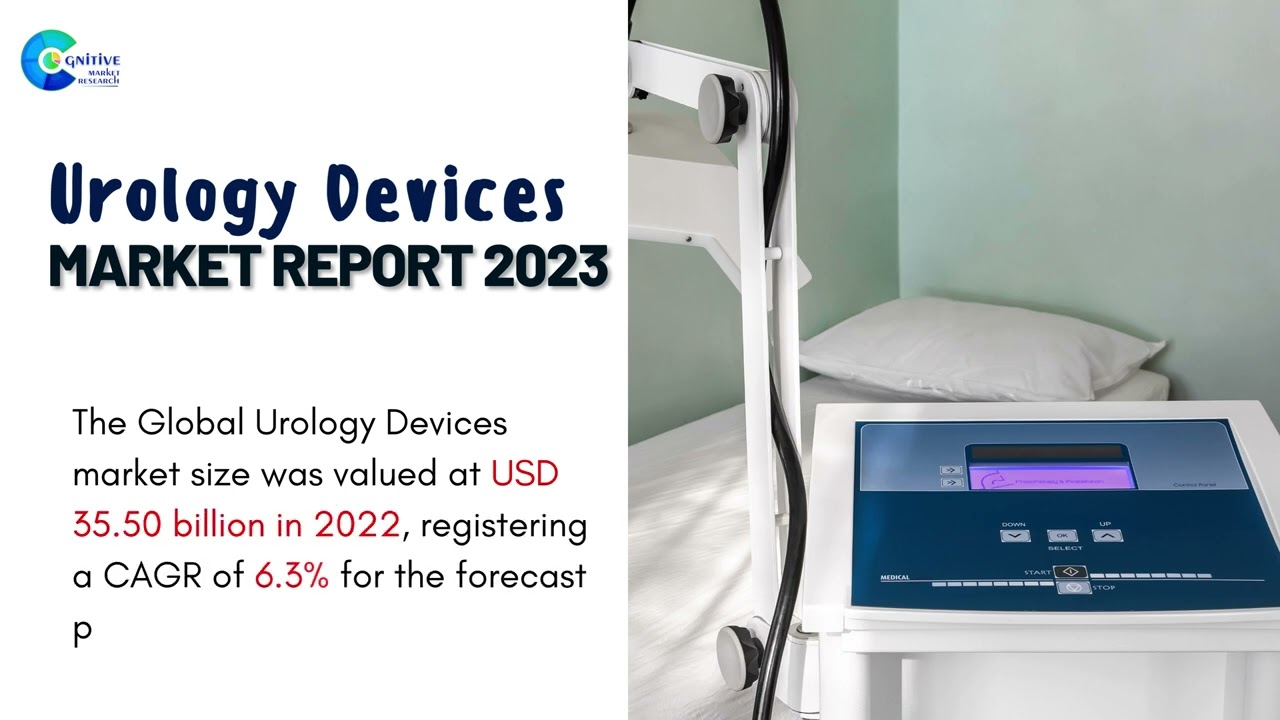
The global healthcare landscape is experiencing a structural evolution, and at the epicentre of this transformation is the urology devices market. Driven by an aging global population, an increasing incidence of urological disorders such as kidney stones and benign prostatic hyperplasia (BPH), and rapid technological breakthroughs, the market is expanding rapidly. Valued at approximately USD 42.20 billion, the urology devices market is projected to reach robust milestones through the mid 2030s.
For medical device manufacturers, healthcare providers, and strategic investors, understanding the trajectory of the urology devices market requires a careful look at emerging trends, technological innovations, and comprehensive market forecast data. Industry pioneers such as Boston Scientific Corporation continue to spearhead this growth, consistently delivering cutting-edge lithotripsy systems, advanced ureteroscopes, and innovative neuromodulation solutions that elevate clinical benchmarks worldwide.
Urology Devices Market Overview: Current Size and Growth Projections
The valuation of the urology devices market reflects the rising demand for advanced diagnostic and therapeutic interventions. Recent comprehensive evaluations including insights from Cognitive Market Research place the baseline market valuation near USD 44.47 billion. Industry-wide projections chart a steady ascent, with the urology devices market expected to surge toward USD 85.30 billion by 2035, progressing at a compound annual growth rate (CAGR) of roughly 7.3%. This financial expansion is underpinned by two primary product categories: instruments and consumables. While capital-intensive equipment such as robotic surgical consoles, laser lithotripsy systems, and urodynamic diagnostic carts capture the largest share of initial spending, consumable items including single-use ureteroscopes, guide wires, and specialized catheters exhibit the fastest growth cadence. Facilities increasingly favor disposables to eliminate cross-contamination risks and streamline reprocessing overhead.
Key Market Segments: Where Demand is Concentrating
Analyzing the urology devices market requires breaking down performance across distinct clinical applications and product classifications:
By Product Type: Instruments (such as lithotripters and laser systems) anchor hospital capital budgets, while single-use consumables grow at a swift CAGR of over 8% due to procedural safety demands.
By Disease Indication: Kidney-stone management and renal care represent the largest share accounting for over 37% of the urology devices market driven by the high global prevalence of nephrolithiasis and chronic kidney disease (CKD).
By Treatment Modality: Minimally invasive and non-invasive surgeries capture the lion's share of clinical adoption. Technologies like laparoscopic tools and robotic-assisted surgical platforms reduce patient trauma and shorten recovery windows.
By End-User: Hospitals and specialized clinics command nearly 70% of the market share, though ambulatory surgical centers (ASCs) represent the fastest-growing setting for outpatient urological procedures.
Pivotal Urology Devices Trends Shaping the Future
Staying competitive in the medical technology sector means aligning product development pipelines with prevailing urology devices trends. Several key movements are reshaping clinical workflows:
1. Shift Toward Single-Use and Disposable Endoscopes
Reusable flexible ureteroscopes carry high maintenance and repair costs, alongside persistent risks of infection transmission. The rapid pivot toward sterile, single-use endoscopic variants is redefining infection control protocols. As manufacturing efficiencies lower the per-procedure cost premium, adoption rates continue to climb globally.
2. Integration of AI and Machine Learning in Diagnostics
Artificial intelligence is moving from theory to clinical reality within the urology devices market. Modern imaging towers and robotic systems now feature AI-driven surgical planning modules. These tools assist surgeons in accurately assessing tumor margins during partial nephrectomies, minimizing blood loss, and optimizing procedural precision.
3. Proliferation of Robotic-Assisted Platforms
Multi-port and single-port robotic systems are expanding beyond elite academic research medical centers into regional community hospitals. As companies invest heavily in R&D, next-generation robotic consoles offer enhanced haptic feedback and ergonomic articulation, directly driving up the adoption of robotic urologic surgery.C
Regional Dynamics and Geographic Expansion
Geographic adoption patterns within the urology devices market highlight significant regional opportunities:
North America: Continues to dominate global revenue share approaching 38 - 42%, supported by advanced healthcare infrastructure, favorable Medicare reimbursement policies for minimally invasive procedures, and a high concentration of leading device manufacturers.
Asia-Pacific: Represents the fastest-growing regional market, with an impressive CAGR approaching 8.9%. Expanding health insurance coverage in developing economies, rising disposable incomes, and an accelerating geriatric demographic in countries like Japan, China, and India are fueling unprecedented procedure volumes.
Europe: Maintains a steady second-largest market share, bolstered by robust public healthcare funding frameworks across Germany, France, and the UK, coupled with strict regulatory compliance standards.
Urology Devices Forecast: Challenges and Strategic Opportunities
While the long-term outlook for the urology devices market is decidedly positive, stakeholders must navigate notable operational hurdles. High initial capital expenditure requirements for robotic consoles often exceeding millions of dollars per unit can create budgetary friction for mid-sized community facilities. Furthermore, rigorous regulatory approval pathways such as FDA clearance cycles and European MDR compliance demand substantial clinical trial investments.
However, emerging opportunities far outweigh these barriers. Telehealth-integrated remote patient monitoring for chronic urological conditions represents a multi-billion-dollar avenue for recurring revenue. Manufacturers that focus on modular equipment design, transparent service-contract pricing, and intuitive digital interfaces will successfully capture market share.
Conclusion
The urology devices market stands at the intersection of demographic necessity and technological innovation. Driven by a surging aging population and relentless advancements in minimally invasive and AI-enhanced instrumentation, the industry offers immense potential for manufacturers, healthcare providers, and investors alike. To capitalize on these lucrative growth avenues, stakeholders must continuously monitor shifting trends and adapt to evolving clinical demands. Partner with Cognitive Market Research and Consulting today to access granular data reports, competitive intelligence frameworks, and custom market entry strategies designed to secure your competitive edge in the global urology devices market.

 X
X
Article Details
-
Author Supriya Yadav
-
Published 07 Sep 2026
-
Last Updated 08 Sep 2026
-
Reading Time~3 minutes
Related Reports
Get a Custom Report
Interested in a similar analysis for your market? Our experts can deliver a customized report.
Contact Our ExpertsMore Articles
Explore all published articles across 30+ industry verticals.
View All Articles