We value your privacy
We use cookies to improve your experience and analyze traffic. By continuing, you consent to our use of cookies under GDPR, CCPA and other applicable laws. Privacy Policy
Cookie preferences
Choose which categories of cookies you allow. Strictly necessary cookies are always on.
Strictly necessary
Required for core site functionality, security and your session. Always active.
Analytics
Help us understand how visitors use the site (e.g. Google Analytics) so we can improve it.
Marketing
Used to measure campaigns and show you relevant ads on other sites (e.g. LinkedIn, Google Ads).
uninterruptible Power Supply UPS System Market Analysis 2026
uninterruptible Power Supply UPS System market will be growing at a CAGR of 9.8% during 2026 to 2033. Download a free sample with data verified by Kalyani Raje
uninterruptible Power Supply UPS System Market Analysis from 2022 to 2034 Containing Market Size, Share along with its CAGR, Forecast and Trends
Top Countries — Revenue
USD Million/Billion
Market Dynamics of uninterruptible Power Supply UPS System Market Analysis
Growth Drivers
Increasing Reliance on Technology
Growing Demand for Uptime and Reliability
Rising Adoption of Cloud Computing and Edge Computing
Restraints
High installation and maintenance costs
Battery Maintenance and Replacement
Trends
Technological Advancements
Demand for Modular and Scalable Solution
Access the full forecast model.
Country-level data · Company profiles · Editable dataset · Analyst consultation included.
uninterruptible Power Supply UPS System Market Analysis — Presence
Geographical Analysis
Click countries to explore
Loading map…
Regional and Country Analysis
Global uninterruptible Power Supply UPS System Market Analysis 2026
Country-level values are locked in this preview.
Request a free sample
to unlock the full breakdown.
Region / Country
2021 (A)
2025 (A)
2033 (P)
CAGR
Global
xxxx
xxxx
xxxx
9.8%
North America
xxxx
xxxx
xxxx
8%
United States
xxxx
xxxx
xxxx
xxxx
Canada
xxxx
xxxx
xxxx
xxxx
Mexico
xxxx
xxxx
xxxx
xxxx
Europe
xxxx
xxxx
xxxx
8.3%
United Kingdom
xxxx
xxxx
xxxx
xxxx
France
xxxx
xxxx
xxxx
xxxx
Germany
xxxx
xxxx
xxxx
xxxx
Italy
xxxx
xxxx
xxxx
xxxx
Russia
xxxx
xxxx
xxxx
xxxx
Spain
xxxx
xxxx
xxxx
xxxx
Sweden
xxxx
xxxx
xxxx
xxxx
Denmark
xxxx
xxxx
xxxx
xxxx
Switzerland
xxxx
xxxx
xxxx
xxxx
Luxembourg
xxxx
xxxx
xxxx
xxxx
Rest of Europe
xxxx
xxxx
xxxx
xxxx
Asia Pacific
xxxx
xxxx
xxxx
11.8%
China
xxxx
xxxx
xxxx
xxxx
Japan
xxxx
xxxx
xxxx
xxxx
South Korea
xxxx
xxxx
xxxx
xxxx
India
xxxx
xxxx
xxxx
xxxx
Australia
xxxx
xxxx
xxxx
xxxx
Singapore
xxxx
xxxx
xxxx
xxxx
Taiwan
xxxx
xxxx
xxxx
xxxx
South East Asia
xxxx
xxxx
xxxx
xxxx
Rest of APAC
xxxx
xxxx
xxxx
xxxx
South America
xxxx
xxxx
xxxx
9.2%
Brazil
xxxx
xxxx
xxxx
xxxx
Argentina
xxxx
xxxx
xxxx
xxxx
Colombia
xxxx
xxxx
xxxx
xxxx
Peru
xxxx
xxxx
xxxx
xxxx
Chile
xxxx
xxxx
xxxx
xxxx
Rest of South America
xxxx
xxxx
xxxx
xxxx
Middle East
xxxx
xxxx
xxxx
9.5%
Saudi Arabia
xxxx
xxxx
xxxx
xxxx
Turkey
xxxx
xxxx
xxxx
xxxx
UAE
xxxx
xxxx
xxxx
xxxx
Egypt
xxxx
xxxx
xxxx
xxxx
Qatar
xxxx
xxxx
xxxx
xxxx
Rest of Middle East
xxxx
xxxx
xxxx
xxxx
Africa
xxxx
xxxx
xxxx
xxxx
East Africa
xxxx
xxxx
xxxx
xxxx
West Africa
xxxx
xxxx
xxxx
xxxx
North Africa
xxxx
xxxx
xxxx
xxxx
South Africa
xxxx
xxxx
xxxx
xxxx
The global UPS market is on a significant upward trajectory, fundamentally linked to the world's growing reliance on digital infrastructure. The core function of a UPS—to provide emergency power and protect against power disturbances—is now more critical than ever. The expansion of edge computing, which moves processing closer to the data source, is creating new demand for smaller, distributed UPS units. Furthermore, increasing awareness regarding the cost of downtime in industrial and commercial settings is pushing organizations to invest in reliable power backup solutions, thereby fueling market growth. The competitive landscape is characterized by innovation focused on energy efficiency, remote monitoring capabilities, and eco-friendly designs.
Global uninterruptible Power Supply UPS System Market Drivers
Explosive Growth of Data Centers: The exponential increase in data generation and the rise of cloud services are leading to a global surge in data center construction, making them the largest consumer of high-capacity UPS systems.
Increasing Need for Power Protection in Critical Industries: Sectors like healthcare, finance, and telecommunications cannot afford downtime. Stringent regulations and the critical nature of their services necessitate reliable power backup, driving consistent demand for UPS systems.
Digital Transformation and IoT Proliferation: The widespread adoption of IoT devices, smart factories (Industry 4.0), and smart home technologies requires a stable power supply, creating a vast market for UPS systems across commercial, industrial, and residential segments.
Global uninterruptible Power Supply UPS System Market Trends
Adoption of Lithium-Ion Batteries: A prominent trend is the shift from traditional Valve-Regulated Lead-Acid (VRLA) batteries to lithium-ion batteries, which offer a longer lifespan, higher energy density, faster recharging, and a smaller footprint.
Rise of Modular and Scalable UPS Architecture: End-users are increasingly preferring modular UPS systems that allow them to scale their power capacity on a "pay-as-you-grow" basis, enhancing flexibility and reducing the total cost of ownership (TCO).
Integration of Smart and IoT-Enabled Features: Modern UPS systems are being equipped with advanced software and connectivity features for remote monitoring, predictive maintenance, and energy management, enhancing reliability and operational efficiency.
Global uninterruptible Power Supply UPS System Market Restraints
High Initial Capital Investment: The substantial upfront cost associated with acquiring, installing, and commissioning high-capacity UPS systems can be a significant barrier for small and medium-sized enterprises (SMEs).
Complex Maintenance and Replacement Procedures: Regular maintenance, battery replacement, and disposal processes for UPS systems can be complex and costly, adding to the overall operational expenditure.
Competition from Alternative Power Solutions: The growing availability and declining costs of alternative energy storage solutions, such as integrated generator sets and advanced battery energy storage systems (BESS), pose a competitive threat to the traditional UPS market.
Market Size: USD XX Million (2021) -> USD XX Million (2025) -> USD XX Million (2033)
CAGR (2021-2033): 8.0%
Country-Specific Insight: The North American market is dominated by the United States, which is projected to hold approximately 23% of the global market share by 2025, driven by its massive data center industry and high-tech healthcare sector. Canada and Mexico follow, contributing about 3% and 2% to the global market, respectively, with growth in manufacturing and telecommunications.
Regional Dynamics
Drivers: Upgrades of aging IT infrastructure, stringent government regulations for data security and uptime, and rapid adoption of edge computing.
Trends: Strong shift towards high-efficiency (97%+) UPS models, adoption of cloud-based remote monitoring services, and demand for TAA-compliant systems for government contracts.
Restraints: Market saturation in certain segments and intense price competition among established players.
Technology Focus: Focus on three-phase modular systems for data centers, line-interactive UPS for enterprise IT, and lithium-ion battery integration.
Market Size: USD XX Million (2021) -> USD XX Million (2025) -> USD XX Million (2033)
CAGR (2021-2033): 8.3%
Country-Specific Insight: Europe is a technologically advanced market with Germany poised to hold a 5% share of the global market in 2025, driven by its robust industrial (Industry 4.0) and automotive sectors. The UK and France are also key markets, each accounting for approximately 4% and 3% of the global market, respectively, with strong demand from financial and data center hubs.
Regional Dynamics
Drivers: European Union's focus on energy efficiency and green data centers, the rollout of 5G networks, and increasing automation in manufacturing.
Trends: Growing demand for eco-friendly UPS systems with high efficiency and low carbon footprint, and adherence to standards like the CE mark and WEEE directive.
Restraints: Strict environmental regulations on battery disposal and economic uncertainties in some parts of the region.
Technology Focus: Transformerless UPS technology for higher efficiency and smaller footprint, and systems compliant with the Eco-design directive.
Market Size: USD XX Million (2021) -> USD XX Million (2025) -> USD XX Million (2033)
CAGR (2021-2033): 11.8%
Country-Specific Insight: APAC is the fastest-growing and largest market, with China leading the charge and expected to command a significant 20% of the global market by 2025. India is another major growth engine, projected to hold a 7% global share, fueled by digitalization initiatives. Japan contributes a stable 5% share, driven by its advanced technology sector.
Regional Dynamics
Drivers: Massive investments in new data centers, rapid urbanization and smart city projects, and the expansion of the manufacturing and IT service industries.
Trends: High demand for cost-effective, single-phase UPS for SMEs and remote offices, alongside high-capacity three-phase systems for hyperscale data centers.
Restraints: Presence of a large number of unorganized local players creating price pressure and inconsistent quality.
Technology Focus: Development of UPS systems tolerant to wider input voltage fluctuations common in the region, and scalable solutions for growing businesses.
Market Size: USD XX Million (2021) -> USD XX Million (2025) -> USD XX Million (2033)
CAGR (2021-2033): 9.2%
Country-Specific Insight: The South American market is expanding due to growing digitalization. Brazil is the largest market in the region, forecast to hold around 2% of the global market share in 2025, driven by its banking and telecommunication sectors. The rest of the region collectively contributes another 2% to the global share.
Regional Dynamics
Drivers: Need to overcome unreliable power grid infrastructure, increasing foreign investment in the IT and telecom sectors, and government digitalization initiatives.
Trends: Demand for ruggedized UPS systems capable of handling harsh environmental conditions and poor power quality.
Restraints: Economic volatility, political instability, and currency fluctuations impacting investment decisions.
Technology Focus: Line-interactive and online double-conversion UPS technologies are preferred for better power conditioning.
Market Size: USD XX Million (2021) -> USD XX Million (2025) -> USD XX Million (2033)
CAGR (2021-2033): 9.5%
Country-Specific Insight: The Middle East market is driven by large-scale infrastructure projects and economic diversification efforts. The UAE and Saudi Arabia are the dominant players, each projected to account for about 1.5% of the global market share in 2025, fueled by smart city initiatives and investments in data centers and tourism.
Regional Dynamics
Drivers: Government investments in digital transformation and non-oil sectors, construction of mega-projects, and a burgeoning data center market.
Trends: Demand for high-capacity, centralized UPS solutions for large facilities and systems with advanced cooling to handle high ambient temperatures.
Restraints: Geopolitical tensions and over-reliance on the oil and gas sector in some economies.
Technology Focus: High-temperature tolerant UPS systems and integrated power infrastructure solutions for new constructions.
Market Size: USD XX Million (2021) -> USD XX Million (2025) -> USD XX Million (2033)
CAGR (2021-2033): 9.0%
Country-Specific Insight: Africa represents a high-potential market characterized by a growing need for reliable power. South Africa and Nigeria are the key markets, expected to hold approximately 0.8% and 0.5% of the global market share by 2025, respectively. Growth is driven by the expansion of mobile communication networks and the emerging financial tech sector.
Regional Dynamics
Drivers: Widespread issues with grid stability and power outages, massive growth in the telecommunications sector, and increasing urbanization.
Trends: Growing adoption of UPS systems with longer battery backup times and solar-compatible UPS solutions.
Restraints: High costs and logistical challenges in distribution and after-sales service across the vast continent.
Technology Focus: Robust and durable UPS systems designed to operate in high-temperature and dusty environments.
A = Actual · E = Estimated · P = Projected · 🔒 Locked values require full access. Click headers to sort.
How are Segments Performing in the Global Uninterruptible Power Supply (UPS) System Market?
Uninterruptible Power Supply (UPS) System Market Type Segment Analysis
According to Cognitive Market Research, Standby UPS System stands out as the dominating category. The standby uninterruptible energy supply (UPS) system phase is experiencing growth inside the UPS marketplace. Standby UPS structures offer cost-effective backup power by switching to battery mode during power disruptions. With the increasing demand for reliable power backup solutions in various industries, the standby UPS section is gaining traction due to its affordability and effectiveness in safeguarding essential gadgets and information against downtime.
Online UPS System emerges as the fastest-growing category in the Uninterruptible Power Supply (UPS) System market. The online online uninterruptible power supply (UPS) machine section is witnessing a massive increase in the UPS marketplace. Online UPS structures offer non-stop strength protection via constantly presenting energy from the battery, making sure of seamless operation at some point of electricity disruptions. With the increasing demand for uninterrupted power supply in critical programs, including fact centers and healthcare facilities, the net UPS segment is increasing unexpectedly because of its superior reliability and performance.
Standby UPS System uninterruptible Power Supply UPS System Market Analysis
XX
Standby UPS System Market Size 2025
XX %
CAGR
Locked · Full data in paid report
Online UPS System uninterruptible Power Supply UPS System Market Analysis
XX
Online UPS System Market Size 2025
XX %
CAGR
Locked · Full data in paid report
Line-interactive UPS System uninterruptible Power Supply UPS System Market Analysis
XX
Line-interactive UPS System Market Size 2025
XX %
CAGR
Locked · Full data in paid report
Market size by (Illustrative, 2025)
Share distribution (2025)
Disclaimer: The charts and graphs are for illustrative purposes only and do not represent actual market values. To access accurate quantitative data, please request a paid report or request free sample.
To learn more about market share and segmentation, request the free sample pages.
Competitor Analysis
Competitive Landscape of the Uninterruptible Power Supply (UPS) System Market
The competitive landscape of the Uninterruptible Power Supply (UPS) System market is characterized by a diverse range of players competing to gain market share through product innovation, strategic partnerships, and aggressive marketing efforts. Key players in the market include established electronics manufacturers, specialized Uninterruptible Power Supply (UPS) System companies, and emerging start-ups aiming to disrupt the market with innovative solutions.
Click any bar or cell to request the full company profile
Top Companies (In no particular order)
2022 (A)
2023 (A)
2024 (A)
2025 (A)
Schneider Electric
•••
•••
•••
•••
Emerson Electric Co.
•••
•••
•••
•••
S&C Electric Company
•••
•••
•••
•••
Toshiba Corporation
•••
•••
•••
•••
Xiamen Kehua Hensheng Co. Ltd.
•••
•••
•••
•••
Sendon International Ltd.
•••
•••
•••
•••
Delta Electronics Inc.
•••
•••
•••
•••
Beijing Dynamic Power Co. Ltd.
•••
•••
•••
•••
ABB Ltd
•••
•••
•••
•••
Riello Elettronica SpA
•••
•••
•••
•••
Eaton Corporation PLC
•••
•••
•••
•••
Mitsubishi Electric Corporation
•••
•••
•••
•••
We Provide Regional Breakdown of this Companies and Company specific to any Country, Region, Product/ service as well. We cover market share analysis for publicly listed companies as well as privately held companies, subject to data availability.
The global Uninterruptible Power Supply (UPS) System market is witnessing robust growth, driven by the escalating demand for continuous and high-quality power across various sectors. The proliferation of data centers, driven by cloud computing, big data, and IoT, stands as the primary catalyst for market expansion. Industries such as healthcare, BFSI, and telecommunications, where power continuity is critical for operations, are significant contributors to demand. The market is also benefiting from the global trend of digitalization and the increasing adoption of smart technologies in residential and commercial applications. Technological advancements, particularly the shift from traditional lead-acid batteries to more efficient and compact lithium-ion batteries, are reshaping the product landscape. While North America and Europe remain mature markets, the Asia Pacific region is emerging as the fastest-growing market, fueled by rapid industrialization and infrastructure development.
Key strategic insights from our comprehensive analysis reveal:
The transition towards lithium-ion batteries from traditional VRLA batteries is accelerating, offering longer life, smaller footprints, and lower total cost of ownership, creating a significant value proposition for customers.
Modular and scalable UPS systems are gaining immense traction, particularly in data centers, as they offer flexibility to scale power capacity based on demand, optimizing initial investment and operational efficiency.
The Asia-Pacific region, led by China and India, is the epicenter of market growth, driven by massive investments in data center construction, manufacturing, and smart city projects.
Strategic Recommendations for Manufacturers
Manufacturers should strategically focus on R&D to enhance the energy efficiency of UPS systems, aligning with global green energy initiatives. Developing "UPS-as-a-Service" (UPSaaS) models could lower the entry barrier for SMEs, converting high capital expenditure into a more manageable operational expense. Expanding portfolios to include integrated solutions that combine UPS, power distribution, and management software will create a stronger value proposition. Furthermore, strengthening supply chains for critical components like lithium-ion batteries and semiconductors is crucial to mitigate risks and ensure production stability. Targeting high-growth application areas like edge computing, 5G infrastructure, and renewable energy integration will be key to capturing future market share.
Introduction of the Uninterruptible Power Supply (UPS) System Market
The uninterruptible power supply (UPS) machine market encompasses gadgets that provide emergency strength to electric systems in the event of electricity disruptions. UPS structures ensure certain uninterrupted operation of important equipment and save you data loss or damage throughout blackouts, brownouts, or voltage fluctuations. They are important across diverse sectors, including data facilities, telecommunications, healthcare, finance, and production, where non-stop energy is crucial for operations. UPS systems generally consist of battery backup devices, inverters, and charging systems. The market increase is pushed by way of growing digitization, growing demand for reliable electricity backup solutions, and the need to guard against downtime and system damage. Advancements in the era, which include modular UPS designs and lithium-ion batteries, are also shaping the evolution of the United States machine marketplace.
Analyst Conclusion
As per Cognitive's Research Analyst, uninterruptible Power Supply UPS System are essential components within infrastructure, ensuring continuous and high-quality power supply. They play an essential role in providing emergency power and protecting against disturbances, which is critical for operations in key applications like healthcare, BFSI, and telecommunications.
Looking at the Historical Growth The global market expanded due to escalating demand for stable and reliable energy across various sectors and the proliferation of data centers, driven by cloud computing, big data, and connected technologies. Regionally, Asia Pacific grew, while North America progressed over the same period.
Currently in 2026, Asia Pacific holds a commanding 32% of the global market, driven by massive investments in new data centers, rapid urbanization and smart city projects, and the expansion of the manufacturing and IT service sectors. The data centers segment remains the primary consumer of uninterruptible Power Supply UPS System. Additionally, this region is also set to remain the fastest-growing market, exhibiting the highest CAGR of 11.8%, fueled by rapid industrialization and massive infrastructure investments.
The market is witnessing a definitive shift towards adoption of lithium-ion batteries, driven by offering longer life, smaller footprints, and lower total cost of ownership. Ongoing innovation in modular and scalable UPS systems is also leading, focusing on flexibility to scale power capacity based on demand, optimizing initial investment and operational efficiency.
In the future, The global uninterruptible Power Supply UPS System market will expand at a compound annual growth rate of 9.8% from 2021, primarily driven by relentless expansion of the digital economy and the critical need for uninterrupted power. Ongoing innovation in energy efficiency and advanced monitoring technologies and the strong trend towards expansion of edge computing and advanced communication infrastructure will also contribute significantly.
Senior Research Analyst at Cognitive Market Research
Kalyani Raje is a distinguished research leader and the Co-Founder & Chief Research Officer at Cognitive Market Research and Consulting, a global market research and consulting firm specializing in data-driven intelligence and strategic business insights. With over a decade of experience in market research, competitive intelligence, and analytical consulting, she has played a pivotal role in helping organizations understand evolving market landscapes and make informed strategic decisions across industries including FMCG, IT, Telecom, Automotive, Electronics, Healthcare, and Consumer Goods.
As a research professional, Kalyani is recognized for her expertise in developing rigorous research methodologies, interpreting complex market data, and transforming insights into actionable business strategies. Her analytical approach, combined with a strong understanding of global industry trends and consumer behavior, has enabled enterprises, manufacturers, investors, and business leaders to navigate competitive environments with greater confidence and clarity.
Kalyani is an active member of ESOMAR and the Market Research Society of India (MRSI), reflecting her commitment to maintaining ethical, transparent, and internationally recognized research standards. She strongly advocates adherence to the ICC/ESOMAR International Code on Market and Social Research, reinforcing her dedication to research integrity, data quality, and responsible business practices within the global insights industry.
In 2026, Kalyani was invited as a Speaker at ESOMAR Africa 2026, where she shared her expertise on Africa’s Youthquake: Decoding the Continent’s Largest Generation and Its Transformative Impact. Her participation highlighted her thought leadership in understanding demographic shifts, emerging markets, and the evolving role of data and analytics in shaping future business opportunities.
Throughout her professional journey, Kalyani has been instrumental in driving research excellence, mentoring analytical teams, and building scalable research frameworks that deliver high-value intelligence to global clients. Her passion for innovation, strategic thinking, and evidence-based decision-making continues to strengthen Cognitive Market Research’s position as a trusted global insights partner for businesses worldwide.
The global market size for Uninterruptible Power Supply (UPS) System in 2024 is USD 8815.2 million.
The global Uninterruptible Power Supply (UPS) System market is expected to grow with a CAGR of 9.80% over the projected period.
North America held a significant global Uninterruptible Power Supply (UPS) System market revenue share in 2024.
Europe will witness the fastest growth of the global Uninterruptible Power Supply (UPS) System market over the coming years.
The US had the most significant global Uninterruptible Power Supply (UPS) System market revenue share in 2024.
The main drivers of the growth of the Uninterruptible Power Supply (UPS) System market are Increasing Reliance on Technology, . Growing Demand for Uptime and Reliability and Rising Adoption of Cloud Computing and Edge Computing
The Standby UPS System segment had the largest share in the global Uninterruptible Power Supply (UPS) System market by Type.
★ Reviews
Rate this report
uninterruptible Power Supply UPS System Market Analysis — Table of Contents
Disclaimer:
This is just a redacted sample pages of the actual deliverable report and only for representative purposes
Charts/Graphs/Numbers/data are only for Representative purposes and do not depict actual statistics.
The table of Contents differs according to the user License selection. Current Displayed TOC is for the Corporate User License Report Edition. TOC Customization options: Add or Remove section/s Or chapter/s from the report.
Specific Tables, Graphs, Sections, and Chapters can be ordered at a discounted price.
If applicable; On Request Volume Data will also be provided (at an Additional Cost).
Report Scope
type
Standby UPS System, Online UPS System, Line-interactive UPS System
Application
Data Centers, Telecommunications, Healthcare (Hospitals/Clinics etc.), Industrial, Other
Capacity
Less than 10 kVA, 10-100 kVA, Above 100 kVAStandalone, Integrated
Conclusion
List of Competitors
Schneider Electric, Emerson Electric Co., S&C Electric Company, Toshiba Corporation, Xiamen Kehua Hensheng Co. Ltd., Sendon International Ltd., Delta Electronics Inc., Beijing Dynamic Power Co. Ltd., ABB Ltd, Riello Elettronica SpA, Eaton Corporation PLC, Mitsubishi Electric Corporation
Chapter 1. Competitor Analysis (Subject to Data Availability (Private Players))
1.1 Top Competitors Analysis
1.1.1 Global uninterruptible Power Supply UPS System Market Analysis by Key Players
1.1.2 Segment Market Analysis by Key Players
1.1.3 Top Players Ranking 2024
1.1.4 New Product Launch Analysis
1.1.5 Industry Mergers and Acquisition Analysis
1.2 Company Profile (Data Subject to Availability) Sample Format
1.2.1 Schneider Electric
1.2.1.1 Company Basic Information, Manufacturing Base, Sales Area, and Competitors
1.2.1.2 Business Overview
1.2.1.3 Financials (Subject to data availability)
1.2.1.4 R&D Investment (Subject to data availability)
1.2.1.5 Product Types Specification
1.2.1.6 Business Strategy
1.2.1.7 Recent Developments
1.2.1.8 Management Change
1.2.1.9 S.W.O.T Analysis
1.2.2 Emerson Electric Co.
1.2.2.1 Company Basic Information, Manufacturing Base, Sales Area, and Competitors
1.2.2.2 Business Overview
1.2.2.3 Financials (Subject to data availability)
1.2.2.4 R&D Investment (Subject to data availability)
1.2.2.5 Product Types Specification
1.2.2.6 Business Strategy
1.2.2.7 Recent Developments
1.2.2.8 Management Change
1.2.2.9 S.W.O.T Analysis
1.2.3 S&C Electric Company
1.2.3.1 Company Basic Information, Manufacturing Base, Sales Area, and Competitors
1.2.3.2 Business Overview
1.2.3.3 Financials (Subject to data availability)
1.2.3.4 R&D Investment (Subject to data availability)
1.2.3.5 Product Types Specification
1.2.3.6 Business Strategy
1.2.3.7 Recent Developments
1.2.3.8 Management Change
1.2.3.9 S.W.O.T Analysis
1.2.4 Toshiba Corporation
1.2.4.1 Company Basic Information, Manufacturing Base, Sales Area, and Competitors
1.2.4.2 Business Overview
1.2.4.3 Financials (Subject to data availability)
1.2.4.4 R&D Investment (Subject to data availability)
1.2.4.5 Product Types Specification
1.2.4.6 Business Strategy
1.2.4.7 Recent Developments
1.2.4.8 Management Change
1.2.4.9 S.W.O.T Analysis
1.2.5 Xiamen Kehua Hensheng Co. Ltd.
1.2.5.1 Company Basic Information, Manufacturing Base, Sales Area, and Competitors
1.2.5.2 Business Overview
1.2.5.3 Financials (Subject to data availability)
1.2.5.4 R&D Investment (Subject to data availability)
1.2.5.5 Product Types Specification
1.2.5.6 Business Strategy
1.2.5.7 Recent Developments
1.2.5.8 Management Change
1.2.5.9 S.W.O.T Analysis
1.2.6 Sendon International Ltd.
1.2.6.1 Company Basic Information, Manufacturing Base, Sales Area, and Competitors
1.2.6.2 Business Overview
1.2.6.3 Financials (Subject to data availability)
1.2.6.4 R&D Investment (Subject to data availability)
1.2.6.5 Product Types Specification
1.2.6.6 Business Strategy
1.2.6.7 Recent Developments
1.2.6.8 Management Change
1.2.6.9 S.W.O.T Analysis
1.2.7 Delta Electronics Inc.
1.2.7.1 Company Basic Information, Manufacturing Base, Sales Area, and Competitors
1.2.7.2 Business Overview
1.2.7.3 Financials (Subject to data availability)
1.2.7.4 R&D Investment (Subject to data availability)
1.2.7.5 Product Types Specification
1.2.7.6 Business Strategy
1.2.7.7 Recent Developments
1.2.7.8 Management Change
1.2.7.9 S.W.O.T Analysis
1.2.8 Beijing Dynamic Power Co. Ltd.
1.2.8.1 Company Basic Information, Manufacturing Base, Sales Area, and Competitors
1.2.8.2 Business Overview
1.2.8.3 Financials (Subject to data availability)
1.2.8.4 R&D Investment (Subject to data availability)
1.2.8.5 Product Types Specification
1.2.8.6 Business Strategy
1.2.8.7 Recent Developments
1.2.8.8 Management Change
1.2.8.9 S.W.O.T Analysis
1.2.9 ABB Ltd
1.2.9.1 Company Basic Information, Manufacturing Base, Sales Area, and Competitors
1.2.9.2 Business Overview
1.2.9.3 Financials (Subject to data availability)
1.2.9.4 R&D Investment (Subject to data availability)
1.2.9.5 Product Types Specification
1.2.9.6 Business Strategy
1.2.9.7 Recent Developments
1.2.9.8 Management Change
1.2.9.9 S.W.O.T Analysis
1.2.10 Riello Elettronica SpA
1.2.10.1 Company Basic Information, Manufacturing Base, Sales Area, and Competitors
1.2.10.2 Business Overview
1.2.10.3 Financials (Subject to data availability)
1.2.10.4 R&D Investment (Subject to data availability)
1.2.10.5 Product Types Specification
1.2.10.6 Business Strategy
1.2.10.7 Recent Developments
1.2.10.8 Management Change
1.2.10.9 S.W.O.T Analysis
1.2.11 Eaton Corporation PLC
1.2.11.1 Company Basic Information, Manufacturing Base, Sales Area, and Competitors
1.2.11.2 Business Overview
1.2.11.3 Financials (Subject to data availability)
1.2.11.4 R&D Investment (Subject to data availability)
1.2.11.5 Product Types Specification
1.2.11.6 Business Strategy
1.2.11.7 Recent Developments
1.2.11.8 Management Change
1.2.11.9 S.W.O.T Analysis
1.2.12 Mitsubishi Electric Corporation
1.2.12.1 Company Basic Information, Manufacturing Base, Sales Area, and Competitors
1.2.12.2 Business Overview
1.2.12.3 Financials (Subject to data availability)
1.2.12.4 R&D Investment (Subject to data availability)
1.2.12.5 Product Types Specification
1.2.12.6 Business Strategy
1.2.12.7 Recent Developments
1.2.12.8 Management Change
1.2.12.9 S.W.O.T Analysis
Chapter 2. Global uninterruptible Power Supply UPS System Market Analysis
2.1 Global uninterruptible Power Supply UPS System Market Analysis
2.2 Global uninterruptible Power Supply UPS System Market Analysis by Region
2.3 Global uninterruptible Power Supply UPS System Market Analysis by type
2.4 Global uninterruptible Power Supply UPS System Market Analysis by Application
2.5 Global uninterruptible Power Supply UPS System Market Analysis by Capacity
2.6 Global uninterruptible Power Supply UPS System Market Analysis by Conclusion
2.7 Global uninterruptible Power Supply UPS System Market Analysis by Key Players
Chapter 3. North America uninterruptible Power Supply UPS System Market Analysis
3.1 North America uninterruptible Power Supply UPS System Market Analysis
3.2 North America uninterruptible Power Supply UPS System Market Analysis by Country
3.3 North America uninterruptible Power Supply UPS System Market Analysis by type
3.4 North America uninterruptible Power Supply UPS System Market Analysis by Application
3.5 North America uninterruptible Power Supply UPS System Market Analysis by Capacity
3.6 North America uninterruptible Power Supply UPS System Market Analysis by Conclusion
3.7 North America uninterruptible Power Supply UPS System Market Analysis by Key Players
Chapter 4. Europe uninterruptible Power Supply UPS System Market Analysis
4.1 Europe uninterruptible Power Supply UPS System Market Analysis
4.2 Europe uninterruptible Power Supply UPS System Market Analysis by Country
4.3 Europe uninterruptible Power Supply UPS System Market Analysis by type
4.4 Europe uninterruptible Power Supply UPS System Market Analysis by Application
4.5 Europe uninterruptible Power Supply UPS System Market Analysis by Capacity
4.6 Europe uninterruptible Power Supply UPS System Market Analysis by Conclusion
4.7 Europe uninterruptible Power Supply UPS System Market Analysis by Key Players
Chapter 5. Asia Pacific uninterruptible Power Supply UPS System Market Analysis
5.1 Asia Pacific uninterruptible Power Supply UPS System Market Analysis
5.2 Asia Pacific uninterruptible Power Supply UPS System Market Analysis by Country
5.3 Asia Pacific uninterruptible Power Supply UPS System Market Analysis by type
5.4 Asia Pacific uninterruptible Power Supply UPS System Market Analysis by Application
5.5 Asia Pacific uninterruptible Power Supply UPS System Market Analysis by Capacity
5.6 Asia Pacific uninterruptible Power Supply UPS System Market Analysis by Conclusion
5.7 Asia Pacific uninterruptible Power Supply UPS System Market Analysis by Key Players
Chapter 6. South America uninterruptible Power Supply UPS System Market Analysis
6.1 South America uninterruptible Power Supply UPS System Market Analysis
6.2 South America uninterruptible Power Supply UPS System Market Analysis by Country
6.3 South America uninterruptible Power Supply UPS System Market Analysis by type
6.4 South America uninterruptible Power Supply UPS System Market Analysis by Application
6.5 South America uninterruptible Power Supply UPS System Market Analysis by Capacity
6.6 South America uninterruptible Power Supply UPS System Market Analysis by Conclusion
6.7 South America uninterruptible Power Supply UPS System Market Analysis by Key Players
Chapter 7. Middle East uninterruptible Power Supply UPS System Market Analysis
7.1 Middle East uninterruptible Power Supply UPS System Market Analysis
7.2 Middle East uninterruptible Power Supply UPS System Market Analysis by Country
7.3 Middle East uninterruptible Power Supply UPS System Market Analysis by type
7.4 Middle East uninterruptible Power Supply UPS System Market Analysis by Application
7.5 Middle East uninterruptible Power Supply UPS System Market Analysis by Capacity
7.6 Middle East uninterruptible Power Supply UPS System Market Analysis by Conclusion
7.7 Middle East uninterruptible Power Supply UPS System Market Analysis by Key Players
Chapter 8. Africa uninterruptible Power Supply UPS System Market Analysis
8.1 Africa uninterruptible Power Supply UPS System Market Analysis
8.2 Africa uninterruptible Power Supply UPS System Market Analysis by Country
8.3 Africa uninterruptible Power Supply UPS System Market Analysis by type
8.4 Africa uninterruptible Power Supply UPS System Market Analysis by Application
8.5 Africa uninterruptible Power Supply UPS System Market Analysis by Capacity
8.6 Africa uninterruptible Power Supply UPS System Market Analysis by Conclusion
8.7 Africa uninterruptible Power Supply UPS System Market Analysis by Key Players
Chapter 9. type Analysis
9.1 Standby UPS System
9.1.1 Global Standby UPS System Market
9.1.2 Global Standby UPS System Market by Region
9.2 Online UPS System
9.2.1 Global Online UPS System Market
9.2.2 Global Online UPS System Market by Region
9.3 Line-interactive UPS System
9.3.1 Global Line-interactive UPS System Market
9.3.2 Global Line-interactive UPS System Market by Region
Chapter 10. Application Analysis
10.1 Data Centers
10.1.1 Global Data Centers Market
10.1.2 Global Data Centers Market by Region
10.2 Telecommunications
10.2.1 Global Telecommunications Market
10.2.2 Global Telecommunications Market by Region
10.3 Healthcare (Hospitals/Clinics etc.)
10.3.1 Global Healthcare (Hospitals/Clinics etc.) Market
10.3.2 Global Healthcare (Hospitals/Clinics etc.) Market by Region
10.4 Industrial
10.4.1 Global Industrial Market
10.4.2 Global Industrial Market by Region
10.5 Other
10.5.1 Global Other Market
10.5.2 Global Other Market by Region
Chapter 11. Capacity Analysis
11.1 Less than 10 kVA
11.1.1 Global Less than 10 kVA Market
11.1.2 Global Less than 10 kVA Market by Region
11.2 10-100 kVA
11.2.1 Global 10-100 kVA Market
11.2.2 Global 10-100 kVA Market by Region
11.3 Above 100 kVAStandalone
11.3.1 Global Above 100 kVAStandalone Market
11.3.2 Global Above 100 kVAStandalone Market by Region
11.4 Integrated
11.4.1 Global Integrated Market
11.4.2 Global Integrated Market by Region
Chapter 12. Conclusion Analysis
Chapter 13. Qualitative Analysis (Subject to Data Availability)
13.1 Market Drivers
13.2 Market Restraints
13.3 Market Trends
13.4 Market Opportunity
13.5 Technological Road Map (Subject to Data Availability)
13.6 Product Life Cycle (Subject to Data Availability)
13.7 Customer and Buyer Behavior Analysis
13.7.1 Digital Engagement, Customer Experience & Relationship Analysis
13.14.2 AI-Driven Transformation of Industry Value Chain
13.14.3 Evolution of Business Models & Revenue Streams
13.14.4 AI-Driven Product, Service & Innovation Transformation
13.14.5 Customer Behavior, AI Adoption & Future Market Evolution
Chapter 14. TOP 10 Country Analysis
14.1 Country 1
14.2 Country 2
14.3 Country 3
14.4 Country 4
14.5 Country 5
14.6 Country 6
14.7 Country 7
14.8 Country 8
14.9 Country 9
14.10 Country 10
Chapter 15. Research Findings
15.1 Key Takeaways
15.2 Analyst Point of View
15.3 Assumptions and Acronyms
Chapter 16. Research Methodology and Sources
16.1 Primary Data Collection
16.1.1 Steps for Primary Data Collection
16.1.1.1 Identification of KOL
16.1.2 Backward Integration
16.1.3 Forward Integration
16.1.4 How Primary Research Help Us
16.1.5 Modes of Primary Research
16.2 Secondary Research
16.2.1 How Secondary Research Help Us
16.2.2 Sources of Secondary Research
16.3 Data Validation
16.3.1 Data Triangulation
16.4 Data Representation
Athenaeum AI Dashboard
Research Framework · 70:30 Primary:Secondary
Our Proprietary Methodology
Cognitive Market Research and Consulting "The Full Truth" methodology — a rigorous triangulation process that combines primary research, secondary validation, and expert calibration. Implemented by Kalyani Raje and team for the uninterruptible Power Supply UPS System Market Analysis Market analysis.
01
Primary Intelligence Gathering
Direct interviews with 50+ industry stakeholders including manufacturers, distributors, end-users, and regulatory bodies across all six regions.
02
Secondary Data Triangulation
Cross-referencing against trade databases, customs records, financial filings, patent databases, and verified industry publications.
03
Expert Validation Protocol
Each data point undergoes validation by minimum two independent domain experts with 15+ years of industry experience.
04
Athenaeum AI Processing
Our proprietary AI platform aggregates, normalizes, and identifies patterns across 10,000+ data points to surface non-obvious insights.
05
Editorial & QA Review
Final review by senior analysts ensures accuracy, coherence, and actionability of all insights and recommendations.
To maintain the integrity of our proprietary methodology and protect our elite expert network, specific source disclosures are reserved for full-access partners. Our research framework is anchored by a 70:30 primary-to-secondary ratio, ensuring your strategy is driven by real-time market intelligence rather than recycled, publicly available, or AI-generated data. Every deliverable includes an exhaustive source directory and grants direct analyst access.
Latest Articles about uninterruptible Power Supply UPS System Market
The uninterruptible power supply (UPS) machine market encompasses gadgets that provide emergency strength to electric systems in the event of electricity disruptions. UPS structures ensure certain uninterrupted operation of important equipment and save you data loss or damage throughout blackouts, brownouts, or voltage fluctuations.
The Three Pillars of End-to-End Market Research Services
We don't just hand over data. We partner with your team across three integrated service lines — each designed to give you decision-grade intelligence on the uninterruptible Power Supply UPS System Market Analysis market.
Service 01
Market Survey
B2BB2C
Structured primary research across both B2B and B2C channels. We design and execute custom surveys targeting manufacturers, distributors, procurement heads, and end-consumers in the uninterruptible power supply ups system market analysis ecosystem — validated by our global panel of 10,000+ industrial respondents.
What's Included
Buyer intent & sentiment analysis
Purchase cycle mapping
Price sensitivity research
Channel preference profiling
Competitive perception study
Most Requested
Service 02
Customized Market Data & Reports
CustomReady Report
Choose from our ready-to-access 8th Edition report or commission a fully customized dataset tailored to your exact strategic questions. Cross-splits, custom geographies, proprietary segmentation — we build the intelligence asset your board actually needs.
What's Included
Ready syndicate report
Custom data scope & segmentation
Excel quantitative models
Board-ready PPT with key findings
Secure cloud portal access
Service 03
Strategic Consultation
With SurveyWith Report
Every survey and every report comes with dedicated analyst consultation. Our senior research team walks your leadership through findings, answers strategic questions in real-time, and helps translate data into your next board presentation or investment thesis.
What's Included
Dedicated analyst assigned to you
Live walkthrough of findings
Strategic Q&A sessions
Go-to-market recommendations
NDA-protected engagement
uninterruptible Power Supply UPS System Market Related Reports
Tell us the specific segments, regions, or companies you need — and we will tailor the deliverable to your requirements.
Why Trust Us
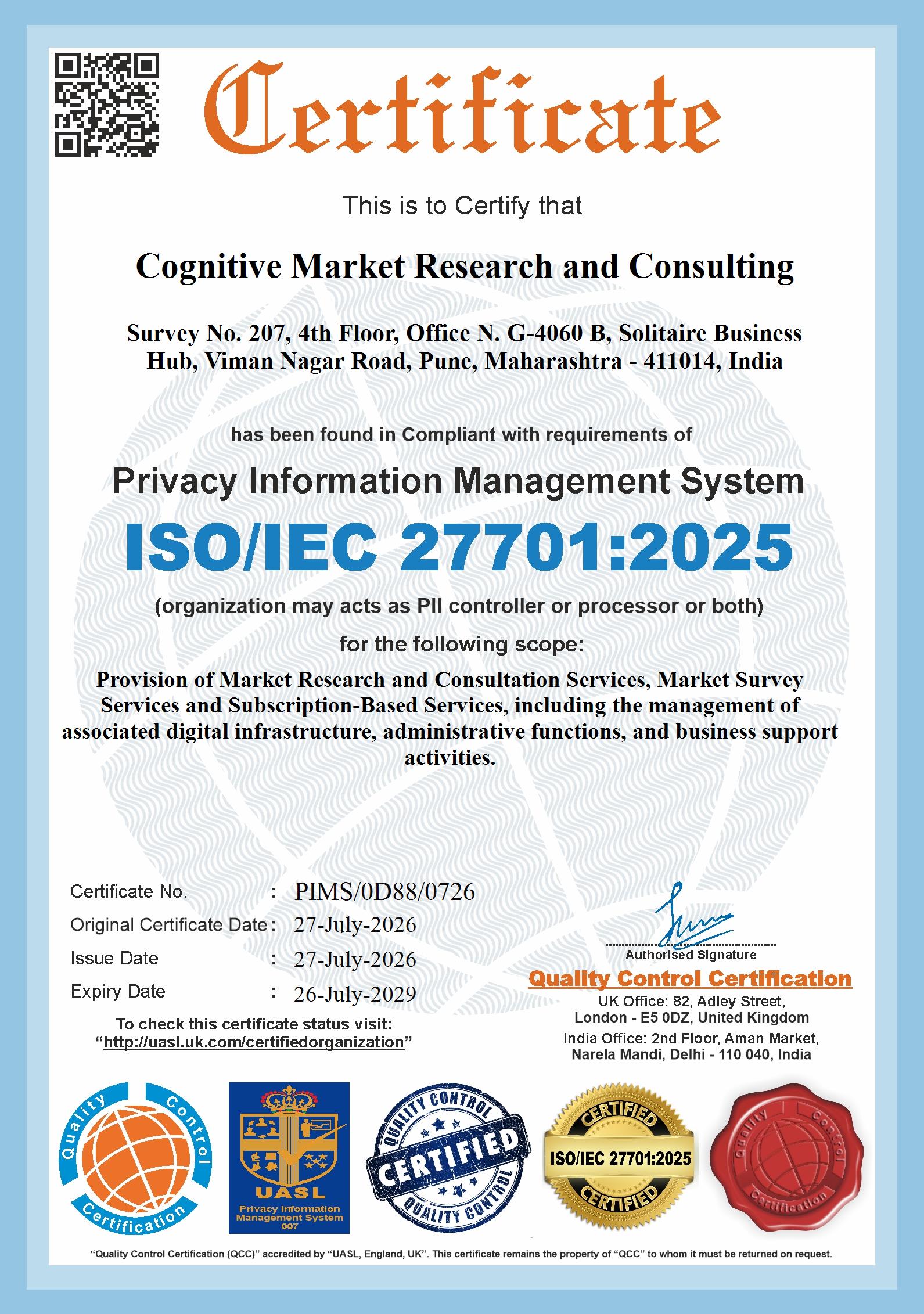
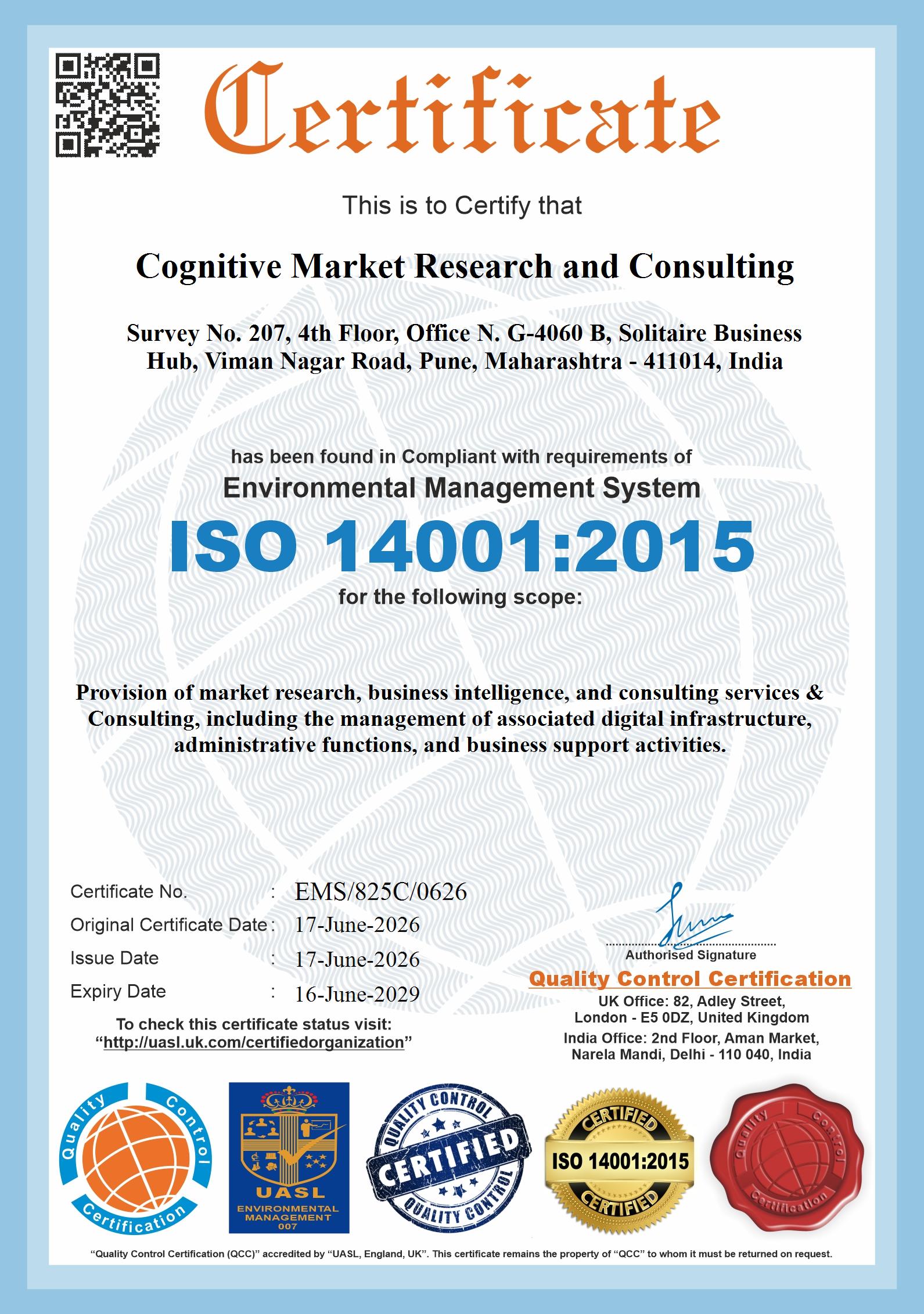
What these certifications mean to usA market figure is only as reliable as the system that produced it. That is why our accreditations cover the whole chain, not just the research step. ESOMAR and MRSI membership binds us to the professional codes that govern how respondents are recruited and how findings may be represented. ISO 20252 governs the research process itself; ISO 9001 and our quality control certification govern how consistently we repeat it. ISO 27001 and ISO 27701, alongside our GDPR, CCPA and DPDP compliance, govern what happens to your brief and your data once it reaches us; because a confidential scope is often more sensitive than the deliverable. ISO 14001, our D-U-N-S registration, Chamber of Commerce membership and DMCA protection speak to how the company itself is run and how its work is safeguarded.Our Clutch and Trustpilot profiles are deliberately listed next to them. They are the only signals on this page we do not issue ourselves, and they are the ones we would check first if we were you.
I would like to appreciate your efforts ni this complete sales cycle. You have been very helpful in giving al the possible details, transparent, getting yo…
The global UPS market is projected to grow at a strong CAGR of 9.8%, primarily propelled by the relentless expansion of the digital economy and the critical need for uninterrupted power.
Asia-Pacific stands out as the most dynamic region, offering the highest growth opportunities for manufacturers due to rapid industrialization and massive infrastructure investments.
The technological shift from VRLA to lithium-ion batteries and the architectural shift towards modular systems are the two most influential trends shaping the product landscape and competitive dynamics.
While data centers remain the largest end-user segment, significant growth is also expected from industrial automation, healthcare, and the burgeoning edge computing space, requiring diversified product strategies.