Neonatal and Pediatric Devices Market Analysis from 2022 to 2034 Containing Market Size, Share along with its CAGR, Forecast and Trends
Top Countries — Revenue
Market Dynamics of Neonatal and Pediatric Devices Market Analysis
↑ Growth Drivers
Access the full forecast model.
Country-level data · Company profiles · Editable dataset · Analyst consultation included.
Neonatal and Pediatric Devices Market Analysis — Presence
Geographical Analysis
Click countries to exploreRegional and Country Analysis
| Region / Country | 2021 (A) | 2025 (A) | 2033 (P) | CAGR |
|---|---|---|---|---|
| Global | xxxx | xxxx | xxxx | xxxx |
| North America | xxxx | xxxx | xxxx | xxxx |
| United States | xxxx | xxxx | xxxx | xxxx |
| Canada | xxxx | xxxx | xxxx | xxxx |
| Mexico | xxxx | xxxx | xxxx | xxxx |
| Europe | xxxx | xxxx | xxxx | xxxx |
| United Kingdom | xxxx | xxxx | xxxx | xxxx |
| France | xxxx | xxxx | xxxx | xxxx |
| Germany | xxxx | xxxx | xxxx | xxxx |
| Italy | xxxx | xxxx | xxxx | xxxx |
| Russia | xxxx | xxxx | xxxx | xxxx |
| Spain | xxxx | xxxx | xxxx | xxxx |
| Sweden | xxxx | xxxx | xxxx | xxxx |
| Denmark | xxxx | xxxx | xxxx | xxxx |
| Switzerland | xxxx | xxxx | xxxx | xxxx |
| Luxembourg | xxxx | xxxx | xxxx | xxxx |
| Rest of Europe | xxxx | xxxx | xxxx | xxxx |
| Asia Pacific | xxxx | xxxx | xxxx | xxxx |
| China | xxxx | xxxx | xxxx | xxxx |
| Japan | xxxx | xxxx | xxxx | xxxx |
| South Korea | xxxx | xxxx | xxxx | xxxx |
| India | xxxx | xxxx | xxxx | xxxx |
| Australia | xxxx | xxxx | xxxx | xxxx |
| Singapore | xxxx | xxxx | xxxx | xxxx |
| Taiwan | xxxx | xxxx | xxxx | xxxx |
| South East Asia | xxxx | xxxx | xxxx | xxxx |
| Rest of APAC | xxxx | xxxx | xxxx | xxxx |
| South America | xxxx | xxxx | xxxx | xxxx |
| Brazil | xxxx | xxxx | xxxx | xxxx |
| Argentina | xxxx | xxxx | xxxx | xxxx |
| Colombia | xxxx | xxxx | xxxx | xxxx |
| Peru | xxxx | xxxx | xxxx | xxxx |
| Chile | xxxx | xxxx | xxxx | xxxx |
| Rest of South America | xxxx | xxxx | xxxx | xxxx |
| Middle East | xxxx | xxxx | xxxx | xxxx |
| Saudi Arabia | xxxx | xxxx | xxxx | xxxx |
| Turkey | xxxx | xxxx | xxxx | xxxx |
| UAE | xxxx | xxxx | xxxx | xxxx |
| Egypt | xxxx | xxxx | xxxx | xxxx |
| Qatar | xxxx | xxxx | xxxx | xxxx |
| Rest of Middle East | xxxx | xxxx | xxxx | xxxx |
| Africa | xxxx | xxxx | xxxx | xxxx |
| East Africa | xxxx | xxxx | xxxx | xxxx |
| West Africa | xxxx | xxxx | xxxx | xxxx |
| North Africa | xxxx | xxxx | xxxx | xxxx |
| South Africa | xxxx | xxxx | xxxx | xxxx |
A = Actual · E = Estimated · P = Projected · 🔒 Locked values require full access. Click headers to sort.
Unlock full regional dataset →Segmentation Analysis
Additional Insights of Neonatal and Pediatric Devices Market
Technological Developments in Neonatal and Pediatric Devices Market
Advanced Monitoring Technologies
Continuous monitoring solutions for infants and children are evolving with wireless sensors, AI-enabled predictive analytics, and non-invasive devices. These technologies improve real-time detection of vital sign fluctuations and reduce complications in NICUs. For instance, Philips IntelliVue Guardian and Masimo Rad-G pulse oximeters enhance early intervention and clinical decision-making in neonatal care. (https://www.philips.co.in/healthcare/product/HCNOCTN60/intellivue-guardian-solution-monitoring-system,
(Source:https://www.masimo.com/products/handheld-solutions/rad-g/)
Miniaturization & Portable Devices
The trend toward compact, portable neonatal and pediatric devices allows care delivery beyond hospitals, including home-based settings. Miniaturized ventilators and portable incubators improve accessibility in resource-limited regions. An instance is Dräger’s Babylog neonatal ventilator, which offers advanced respiratory support in a smaller footprint suitable for both intensive care and transport.
(Source:https://www.draeger.com/en_in/Hospital/Babylog)
Pricing Analysis of Neonatal and Pediatric Devices Market
Pricing in the neonatal & pediatric devices market is influenced by device complexity, regulatory approvals, and regional procurement capabilities. Advanced incubators and AI-enabled monitors remain expensive, limiting access in low-income regions. For instance, Philips’ IntelliVue neonatal monitors are priced at a premium compared to basic models, highlighting disparities between developed markets and emerging economies, where cost-effective alternatives from regional players are in demand.
Reimbursement Scenario of Neonatal and Pediatric Devices Market
Reimbursement frameworks shape market adoption, especially in developed regions. In the U.S., neonatal ventilators and pediatric surgical devices are covered under Medicare and Medicaid, reducing financial burdens for hospitals. In Europe, public healthcare systems often fund critical neonatal equipment in NICUs. However, limited reimbursement in Asia and Africa creates barriers, pushing hospitals toward low-cost devices, thereby slowing adoption of advanced technologies such as wireless patient monitoring systems.
(Source:https://www.medicare.gov/publications/11045-medicare-coverage-of-dme-and-other-devices.pdf)
Unmet Needs and Customer Expectations Analysis of Neonatal and Pediatric Devices Market
Despite advancements, unmet needs remain in affordability, portability, and real-time monitoring. End users such as NICU physicians expect integrated, non-invasive devices that reduce infant stress and improve workflow efficiency. For instance, parents and clinicians seek affordable, transport-ready incubators and wireless oximeters. Addressing these gaps can unlock opportunities, particularly in emerging regions where hospital infrastructure is underdeveloped yet demand for neonatal care is rapidly rising.
(Source:https://pubmed.ncbi.nlm.nih.gov/31569093/)
Investment & Funding Scenario of Neonatal and Pediatric Devices Market
Rising investments and funding support innovation and accessibility in this market. Venture capital and public-private partnerships are fueling startups developing miniaturized ventilators and smart neonatal wearables. For instance, recent EU Horizon 2020 grants have supported neonatal AI-monitoring solutions. The project aims to enhance early sepsis detection, thereby reducing sepsis-related morbidity and mortality in neonatal care, while also monitoring cardio-respiratory function and neurobehavioral development.
Regulatory Framework of Neonatal and Pediatric Devices Market
|
Region/Country |
Regulatory Authority |
Classification System |
Approval Pathways |
Recent Developments |
|
United States |
FDA – Center for Devices and Radiological Health (CDRH) |
Class I (low risk), II (moderate), III (high) |
510(k), De Novo, PMA (Premarket Approval) |
510(k) clearance is dominant (~90% of devices). Cybersecurity and SaMD (software as a medical device) are growing focus areas. |
|
European Union |
Notified Bodies under EU MDR (2017/745) |
Class I, IIa, IIb, III |
CE Mark via Notified Body (except Class I self-certification) |
EU MDR increased clinical evidence and post-market surveillance demands; grace periods extended due to system bottlenecks. |
|
China |
National Medical Products Administration (NMPA) |
Class I, II, III |
Notification (Class I), Registration (Class II/III) |
Requires local clinical trials unless exemptions apply. Heavily regulated but rapidly harmonizing with global standards. |
|
India |
Central Drugs Standard Control Organization (CDSCO) |
Class A (low), B (moderate), C, D (high) |
Registration through SUGAM portal |
Transitioning to risk-based regulatory regime; licensing mandatory for most devices from 2023 onward. |
|
Japan |
Pharmaceuticals and Medical Devices Agency (PMDA) |
General, Controlled, Highly Controlled |
Pre-market Certification, Approval, or Notification |
Rigorous but efficient with a review partner system; good market for innovative devices post-approval. |
The regulatory environment for neonatal & pediatric devices is stringent due to patient vulnerability. The U.S. FDA and European Medicines Agency require extensive clinical trials before approval. Recent EU MDR regulations have added compliance complexity for pediatric device manufacturers. For instance, Dräger’s Babylog ventilators underwent rigorous testing for pediatric safety standards, reflecting how compliance ensures quality while extending time-to-market for device makers globally.
Ecosystem Analysis of Neonatal and Pediatric Devices Market
Raw Material Sourcing
Raw material sourcing involves procuring high-quality inputs required to manufacture neonatal and pediatric devices, such as medical-grade plastics, polymers, metals, and electronic components. Charter Medical supplies single-use solutions like syringes and tubing, GE Healthcare provides specialized materials for incubators and monitoring systems, and Neotech Products offers components for NICU/PICU equipment, ensuring safety and reliability in devices for vulnerable infants and children.
Manufacturers
Manufacturers transform raw materials into finished neonatal and pediatric medical devices. Abbott develops pediatric diagnostic and monitoring systems, Hamilton Medical specializes in advanced ventilators for critical care, Medtronic provides therapeutic and monitoring devices across pediatric specialties, and Siemens Healthineers offers imaging and diagnostic solutions. These companies ensure compliance with safety standards and innovate to meet the unique needs of neonatal and pediatric care.
Distributors and Logistics
Distributors and logistics companies manage the delivery of devices from manufacturers to healthcare providers globally. McKesson, Cardinal Health, Medline, and Owens & Minor provide comprehensive supply chain services, including warehousing, transportation, and inventory management. Their expertise ensures timely, safe, and efficient delivery of neonatal and pediatric devices to hospitals, NICUs, and clinics, supporting uninterrupted critical care for infants and children.
AI In Neonatal & Pediatric Devices Market
Artificial intelligence is transforming neonatal & pediatric care through predictive monitoring, anomaly detection, and remote patient management. AI-driven algorithms enable early detection of sepsis and respiratory distress in NICUs. For instance, Philips’ IntelliVue Guardian integrates AI analytics for better outcomes. AI-based decision support tools are also gaining traction in pediatric surgical planning, enabling clinicians to act swiftly and reduce mortality rates in critical cases.
Trade Analysis of Neonatal & Pediatric Devices Market
Global trade of neonatal & pediatric devices is shaped by supply chain dependencies, regional demand, and policy frameworks. The U.S. and Germany lead in exports of high-tech NICU equipment, while China and India dominate low-cost production. Import reliance is significant in Latin America and Africa. For instance, in 2023, Germany imported approximately USD 3.17 billion (EUR 2.73 billion) worth of medical instruments and appliances from the United States.
(Source:https://www.trade.gov/country-commercial-guides/germany-healthcare-and-medical-technology)
Recent Developments & Strategies of Neonatal & Pediatric Devices Market
In September 2025, Avanos Medical, Inc. (NYSE: AVNS) acquired Nexus Medical, LLC, the maker of the TKO® anti-reflux needleless connector. The device supports safer, more consistent nutrition and medication delivery in NICUs and PICUs.
In February 2025, Laerdal Medical, a global leader in healthcare education and training solutions, announced the acquisition of SIMCharacters, an Austrian company known for its advanced high-fidelity simulators specializing in neonatal care.
(Source:https://www.healthysimulation.com/laerdal-acquires-simcharacters/)
Key Conferences & Events (2025)
|
Conference |
Duration |
Location |
Description |
|
NEONATAL & PEDIATRIC MEDTECH INVESTMENT SUMMIT (https://neoped.eu/) |
23-24 April 2026 |
Berlin, Germany |
The Neonates & Pediatric MedTech Pitching Event brings together innovative start-ups, visionary investors, clinicians, and industry leaders to drive collaboration and investment in medical technologies for neonatal and pediatric care. This platform showcases pioneering solutions with the potential to transform healthcare outcomes for the youngest and most vulnerable patients. |
|
5th International Conference on Pediatrics, Neonatology & Healthcare (https://www.conference2go.com/event/5th-international-conference-on-pediatrics-neonatology-healthcare/) |
|
United Kingdom |
The main aim of the Pediatric Conference is to promote excellence in pediatric and neonatal care, encourage multidisciplinary collaboration, highlight innovations and research, enhance professional development, address current and emerging health challenges, foster family-centered and child-friendly care models, and facilitate global knowledge exchange. |
Research & Development Analysis of Neonatal & Pediatric Devices Market
In 2025, R&D in the neonatal & pediatric medical devices market continues to focus on precision, minimally invasive technologies, and AI-driven innovations. Companies are aggressively investing to improve diagnosis, treatment, and patient outcomes in neonatal & pediatric.
In September 2025, SurgMate proudly launched the NeoPeds Endovascular Procedures Training Platform (NP-B01) — a cutting-edge solution designed to enhance training for neonatal and pediatric critical care.
(Source:https://surgmate.com/news_details.php?i=86)
In September 2025, Owlet, Inc., a pioneer in smart infant monitoring, announced the launch of the medically-certified Dream Sock™ in South Africa. Classified as a Class C Medical Device with CE Marking, this innovative product allows parents to monitor their baby’s live vital signs and receive real-time health alerts, providing enhanced peace of mind.
Case Study from Neonatal & Pediatric Devices Market
Pediatric Medical Device Trials (2017–2022)
A comprehensive analysis of pediatric medical device studies conducted between 2017 and 2022 revealed several key insights into the landscape of device development for children. Out of 482 studies reviewed, 60.4% focused solely on efficacy, while 7.3% addressed safety, and 32.2% evaluated both aspects. Notably, 291 studies included a primary outcome of efficacy only, highlighting a significant emphasis on demonstrating the effectiveness of devices in pediatric populations.
The findings underscore the necessity for tailored research methodologies and regulatory frameworks to address the unique physiological and developmental considerations in children. This emphasis on efficacy and safety is crucial for ensuring that pediatric medical devices meet the specific needs of young patients, thereby enhancing clinical outcomes and advancing pediatric healthcare.
Charts are illustrative — exact values, country-level breakdowns, and full forecast in the paid report. Request a Free Sample PDF.
To learn more about market share and segmentation, request the free sample pages.
Competitor Analysis
Comapetitive Landscape of Neonatal and Pediatric Devices Market
Leading Players in Neonatal and Pediatric Devices Market
The leading companies in the global neonatal & pediatric devices market maintain their dominant positions due to a strategic blend of technological innovation, global reach, diversified product portfolios, and acquisitions. Key players include:
- Siemens Healthineers
- Medtronic
- GE HealthCare
- Hamilton Medical
- Drägerwerk AG & Co. KGaA
- Abbott
Siemens Healthineers, Medtronic, and GE HealthCare lead the global neonatal and pediatric devices market due to their extensive R&D, broad product portfolios, and strong global reach. Siemens provides advanced imaging and diagnostics for early pediatric disease detection. Medtronic offers innovative neonatal ventilators like the Affinity Pixie, while GE HealthCare’s Giraffe incubators deliver comprehensive thermal regulation and monitoring in NICUs. Their integrated solutions improve patient outcomes and workflow efficiency.
Other key players, such as Hamilton Medical, Drägerwerk AG & Co. KGaA, and Abbott, focus on specialized ventilators, neonatal incubators, and pediatric diagnostics, enhancing critical care capabilities. Together, these companies shape the market by addressing the unique needs of neonates and children worldwide.
Upcoming Players of Neonatal and Pediatric Devices Market
There are several emerging players in the neonatal & pediatric devices market that are gaining traction due to their focus on next-generation technologies, AI therapeutic approaches, and addressing unmet clinical needs. Key upcoming players are:
- OrthoPediatrics Corp.
- Pluss Advanced Technologies Pvt. Ltd.
- MAICO Diagnostics GmbH
OrthoPediatrics Corp. leads with pediatric-specific orthopedic implants, ensuring safer outcomes for growing children. Pluss Advanced Technologies innovates with phase change materials for neonatal incubators and transport. MAICO Diagnostics GmbH specializes in pediatric hearing screening, enabling early detection of impairments. Together, they drive niche innovations in neonatal and pediatric healthcare.
(Source:https://www.maico-diagnostics.com/nhs/newborn-hearing-screening)
The Neonatal & Pediatric Devices market is moderately fragmented. While there are a few large multinational companies like Medtronic, GE HealthCare, Siemens Healthineers, Philips, and Drägerwerk that dominate the high-end neonatal intensive care and advanced pediatric device segments, a significant portion of the market consists of smaller specialized players and emerging companies that focus on niche areas such as pediatric orthopedics, neonatal monitoring, hearing screening, and low-cost infant care solutions in emerging markets.
| Top Companies (In no particular order) | 2022 (A) | 2023 (A) | 2024 (A) | 2025 (A) |
|---|---|---|---|---|
| Siemens Healthineers | ••• | ••• | ••• | ••• |
| Medtronic | ••• | ••• | ••• | ••• |
| GE HealthCare | ••• | ••• | ••• | ••• |
| Hamilton Medical | ••• | ••• | ••• | ••• |
| Drägerwerk AG & Co. KGaA | ••• | ••• | ••• | ••• |
| Abbott | ••• | ••• | ••• | ••• |
We Provide Regional Breakdown of this Companies and Company specific to any Country, Region, Product/ service as well. We cover market share analysis for publicly listed companies as well as privately held companies, subject to data availability.
Request company profile for validation →Report Scope & Analysis
According to Cognitive Market Research, the global Neonatal and Pediatric Devices Market is driven by rising preterm births, increasing prevalence of neonatal disorders, and growing demand for advanced child-specific medical technologies
Introduction of Neonatal and Pediatric Devices Market
Neonatal & pediatric devices are specialized medical equipment designed to support the diagnosis, monitoring, and treatment of infants and children. These include neonatal incubators, ventilators, feeding tubes, phototherapy units, pediatric catheters, and monitoring systems, ensuring age-appropriate care, safety, and improved clinical outcomes for vulnerable patient populations.
Analyst Conclusion
The global neonatal & pediatric device market reflects both innovation and responsibility, as it addresses the delicate needs of the youngest and most vulnerable patients. Analysts see a market shaped by rising preterm births, pediatric chronic conditions, and the push for equitable access to advanced care worldwide. While high regulatory barriers and affordability challenges persist, the sector is increasingly defined by breakthroughs in AI-enabled monitoring, miniaturized ventilators, and portable incubators. Collaboration between medical device companies, governments, and NGOs is accelerating adoption, especially in emerging economies, positioning this market as a cornerstone for future child health innovation and survival outcomes.

Supriya is a Team Lead at Cognitive Market Research & Consulting, leading research initiatives and strategic intelligence projects across the Healthcare, Pharmaceuticals, and Medical Devices & Consumables sectors. With more than two years of experience in market research and data analysis, she plays a key role in helping organizations navigate complex healthcare ecosystems, identify emerging opportunities, and make informed business decisions through data-driven insights and market intelligence.
Combining expertise in both primary and secondary research methodologies with a strong academic foundation in Marketing and Finance, Supriya oversees the execution of market assessments, competitive intelligence studies, forecasting models, stakeholder interviews, trend analysis, and custom consulting engagements. She collaborates with healthcare providers, pharmaceutical manufacturers, medical device companies, industry experts, and other key stakeholders to gather firsthand market perspectives while validating findings through extensive research. Her ability to interpret clinical, commercial, and market data enables clients to better understand industry developments, regulatory influences, innovation trends, and competitive dynamics.
In her leadership role, she manages end-to-end research projects and guides cross-functional teams in delivering high-quality market reports, consulting solutions, and strategic studies. Her expertise in market estimation, forecasting, and analytical modeling helps organizations evaluate market potential, assess growth opportunities, strengthen competitive positioning, and support strategic planning initiatives. By transforming complex healthcare and life sciences data into actionable business intelligence, she enables clients to make confident decisions in rapidly evolving market environments.
Driven by a passion for healthcare innovation and continuous professional development, Supriya remains committed to staying ahead of industry trends, technological advancements, and changing market conditions. Her leadership, analytical mindset, and dedication to research excellence help organizations mitigate risks, capitalize on emerging opportunities, and achieve sustainable growth across the global healthcare and life sciences landscape.
Frequently Asked Questions
★ Reviews
Rate this report
Neonatal and Pediatric Devices Market Analysis — Table of Contents
- This is just a redacted sample pages of the actual deliverable report and only for representative purposes
- Charts/Graphs/Numbers/data are only for Representative purposes and do not depict actual statistics.
- The table of Contents differs according to the user License selection. Current Displayed TOC is for the Corporate User License Report Edition. TOC Customization options: Add or Remove section/s Or chapter/s from the report.
- Specific Tables, Graphs, Sections, and Chapters can be ordered at a discounted price.
- If applicable; On Request Volume Data will also be provided (at an Additional Cost).
| Type | Type1, Type2, Type3 |
| Application | Application 1, Application 2, Application 3 |
| List of Competitors | Siemens Healthineers, Medtronic, GE HealthCare, Hamilton Medical, Drägerwerk AG & Co. KGaA, Abbott |
-
1.1 Top Competitors Analysis
-
1.1.1 Global Neonatal and Pediatric Devices Market Analysis by Key Players
(Subject to Data Availability (Private Players))
- 1.1.2 Segment Market Analysis by Key Players
- 1.1.3 Top Players Ranking 2024
- 1.1.4 New Product Launch Analysis
- 1.1.5 Industry Mergers and Acquisition Analysis
-
-
1.2 Company Profile (Data Subject to Availability) Sample Format
-
1.2.1 Siemens Healthineers
Data Subject to Availability as we consider Top competitors and their market share will be delivered.
- 1.2.1.1 Company Basic Information, Manufacturing Base, Sales Area, and Competitors
- 1.2.1.2 Business Overview
- 1.2.1.3 Financials (Subject to data availability)
- 1.2.1.4 R&D Investment (Subject to data availability)
- 1.2.1.5 Product Types Specification
- 1.2.1.6 Business Strategy
- 1.2.1.7 Recent Developments
- 1.2.1.8 Management Change
- 1.2.1.9 S.W.O.T Analysis
-
1.2.2 Medtronic
Data Subject to Availability as we consider Top competitors and their market share will be delivered.
- 1.2.2.1 Company Basic Information, Manufacturing Base, Sales Area, and Competitors
- 1.2.2.2 Business Overview
- 1.2.2.3 Financials (Subject to data availability)
- 1.2.2.4 R&D Investment (Subject to data availability)
- 1.2.2.5 Product Types Specification
- 1.2.2.6 Business Strategy
- 1.2.2.7 Recent Developments
- 1.2.2.8 Management Change
- 1.2.2.9 S.W.O.T Analysis
-
1.2.3 GE HealthCare
Data Subject to Availability as we consider Top competitors and their market share will be delivered.
- 1.2.3.1 Company Basic Information, Manufacturing Base, Sales Area, and Competitors
- 1.2.3.2 Business Overview
- 1.2.3.3 Financials (Subject to data availability)
- 1.2.3.4 R&D Investment (Subject to data availability)
- 1.2.3.5 Product Types Specification
- 1.2.3.6 Business Strategy
- 1.2.3.7 Recent Developments
- 1.2.3.8 Management Change
- 1.2.3.9 S.W.O.T Analysis
-
1.2.4 Hamilton Medical
Data Subject to Availability as we consider Top competitors and their market share will be delivered.
- 1.2.4.1 Company Basic Information, Manufacturing Base, Sales Area, and Competitors
- 1.2.4.2 Business Overview
- 1.2.4.3 Financials (Subject to data availability)
- 1.2.4.4 R&D Investment (Subject to data availability)
- 1.2.4.5 Product Types Specification
- 1.2.4.6 Business Strategy
- 1.2.4.7 Recent Developments
- 1.2.4.8 Management Change
- 1.2.4.9 S.W.O.T Analysis
-
1.2.5 Drägerwerk AG & Co. KGaA
Data Subject to Availability as we consider Top competitors and their market share will be delivered.
- 1.2.5.1 Company Basic Information, Manufacturing Base, Sales Area, and Competitors
- 1.2.5.2 Business Overview
- 1.2.5.3 Financials (Subject to data availability)
- 1.2.5.4 R&D Investment (Subject to data availability)
- 1.2.5.5 Product Types Specification
- 1.2.5.6 Business Strategy
- 1.2.5.7 Recent Developments
- 1.2.5.8 Management Change
- 1.2.5.9 S.W.O.T Analysis
-
1.2.6 Abbott
Data Subject to Availability as we consider Top competitors and their market share will be delivered.
- 1.2.6.1 Company Basic Information, Manufacturing Base, Sales Area, and Competitors
- 1.2.6.2 Business Overview
- 1.2.6.3 Financials (Subject to data availability)
- 1.2.6.4 R&D Investment (Subject to data availability)
- 1.2.6.5 Product Types Specification
- 1.2.6.6 Business Strategy
- 1.2.6.7 Recent Developments
- 1.2.6.8 Management Change
- 1.2.6.9 S.W.O.T Analysis
-
- 2.1 Global Neonatal and Pediatric Devices Market Analysis
- 2.2 Global Neonatal and Pediatric Devices Market Analysis by Region
- 2.3 Global Neonatal and Pediatric Devices Market Analysis by Type
- 2.4 Global Neonatal and Pediatric Devices Market Analysis by Application
- 2.5 Global Neonatal and Pediatric Devices Market Analysis by Key Players
- 3.1 North America Neonatal and Pediatric Devices Market Analysis
- 3.2 North America Neonatal and Pediatric Devices Market Analysis by Country
- 3.3 North America Neonatal and Pediatric Devices Market Analysis by Type
- 3.4 North America Neonatal and Pediatric Devices Market Analysis by Application
- 3.5 North America Neonatal and Pediatric Devices Market Analysis by Key Players
- 4.1 Europe Neonatal and Pediatric Devices Market Analysis
- 4.2 Europe Neonatal and Pediatric Devices Market Analysis by Country
- 4.3 Europe Neonatal and Pediatric Devices Market Analysis by Type
- 4.4 Europe Neonatal and Pediatric Devices Market Analysis by Application
- 4.5 Europe Neonatal and Pediatric Devices Market Analysis by Key Players
- 5.1 Asia Pacific Neonatal and Pediatric Devices Market Analysis
- 5.2 Asia Pacific Neonatal and Pediatric Devices Market Analysis by Country
- 5.3 Asia Pacific Neonatal and Pediatric Devices Market Analysis by Type
- 5.4 Asia Pacific Neonatal and Pediatric Devices Market Analysis by Application
- 5.5 Asia Pacific Neonatal and Pediatric Devices Market Analysis by Key Players
- 6.1 South America Neonatal and Pediatric Devices Market Analysis
- 6.2 South America Neonatal and Pediatric Devices Market Analysis by Country
- 6.3 South America Neonatal and Pediatric Devices Market Analysis by Type
- 6.4 South America Neonatal and Pediatric Devices Market Analysis by Application
- 6.5 South America Neonatal and Pediatric Devices Market Analysis by Key Players
- 7.1 Middle East Neonatal and Pediatric Devices Market Analysis
- 7.2 Middle East Neonatal and Pediatric Devices Market Analysis by Country
- 7.3 Middle East Neonatal and Pediatric Devices Market Analysis by Type
- 7.4 Middle East Neonatal and Pediatric Devices Market Analysis by Application
- 7.5 Middle East Neonatal and Pediatric Devices Market Analysis by Key Players
- 8.1 Africa Neonatal and Pediatric Devices Market Analysis
- 8.2 Africa Neonatal and Pediatric Devices Market Analysis by Country
- 8.3 Africa Neonatal and Pediatric Devices Market Analysis by Type
- 8.4 Africa Neonatal and Pediatric Devices Market Analysis by Application
- 8.5 Africa Neonatal and Pediatric Devices Market Analysis by Key Players
-
9.1 Type1
- 9.1.1 Global Type1 Market
- 9.1.2 Global Type1 Market by Region
-
9.2 Type2
- 9.2.1 Global Type2 Market
- 9.2.2 Global Type2 Market by Region
-
9.3 Type3
- 9.3.1 Global Type3 Market
- 9.3.2 Global Type3 Market by Region
-
10.1 Application 1
- 10.1.1 Global Application 1 Market
- 10.1.2 Global Application 1 Market by Region
-
10.2 Application 2
- 10.2.1 Global Application 2 Market
- 10.2.2 Global Application 2 Market by Region
-
10.3 Application 3
- 10.3.1 Global Application 3 Market
- 10.3.2 Global Application 3 Market by Region
- 11.1 Market Drivers
- 11.2 Market Restraints
- 11.3 Market Trends
- 11.4 Market Opportunity
- 11.5 Technological Road Map (Subject to Data Availability)
- 11.6 Product Life Cycle (Subject to Data Availability)
-
11.7 Customer and Buyer Behavior Analysis
- 11.7.1 Digital Engagement, Customer Experience & Relationship Analysis
- 11.7.2 Customer Buying Behavior & Purchase Decision Analysis
- 11.7.3 Vendor Selection, Supplier Preferences & Future Demand Trends
- 11.7.4 Pricing, Affordability & Value Perception Analysis
- 11.7.5 Customer Segmentation & Demand Pattern Analysis
-
11.8 PESTEL Analysis
- 11.8.1 Political Factors
- 11.8.2 Economic Factors
- 11.8.3 Social Factors
- 11.8.4 Technological Factors
- 11.8.5 Legal Factors
- 11.8.6 Environmental Factors
-
11.9 Industrial Chain Analysis (Subject to Data Availability)
- 11.9.1 Industry Chain Analysis
- 11.9.2 Manufacturing Cost Analysis
-
11.9.3 Supply Side Analysis
- 11.9.3.1 Raw Material Analysis
- 11.9.3.2 Raw Material Procurement Analysis
- 11.9.3.3 Raw Material Price Trend Analysis
-
11.10 Porter’s Five Forces Analysis
- 11.10.1 Bargaining Power of Suppliers
- 11.10.2 Bargaining Power of Buyers
- 11.10.3 Threat of New Entrants
- 11.10.4 Threat of Substitutes
- 11.10.5 Degree of Competition
- 11.11 Patent Analysis (Subject to Data Availability)
- 11.12 ESG Analysis
-
11.13 Geopolitical Outlook
- 11.13.1 Global Power Realignment & Strategic Alliances
- 11.13.2 Geopolitical Risk Landscape & Conflict Hotspots
- 11.13.3 International Trade Relations & Market Access Environment
- 11.13.4 Regulatory & Policy Shifts Impacting Cross-Border Operations
- 11.13.5 Supply Chain Resilience, Localization & Resource Nationalism
- 11.13.6 Technology Sovereignty & Digital Geopolitics
- 11.13.7 Strategic Implications for Investment, Growth & Market Entry
-
11.14 AI & Market Transformation
This chapter isn't just about technology; it’s about certainty. We show you how AI is being used in leading industries so you can apply those same 'High-Speed' and 'High-Accuracy' principles to your own market strategy
- 11.14.1 Competitive Landscape Disruption & Strategic Shifts
- 11.14.2 AI-Driven Transformation of Industry Value Chain
- 11.14.3 Evolution of Business Models & Revenue Streams
- 11.14.4 AI-Driven Product, Service & Innovation Transformation
- 11.14.5 Customer Behavior, AI Adoption & Future Market Evolution
-
12.1 Country 1
- 12.2 Country 2
- 12.3 Country 3
- 12.4 Country 4
- 12.5 Country 5
- 12.6 Country 6
- 12.7 Country 7
- 12.8 Country 8
- 12.9 Country 9
- 12.10 Country 10
- 13.1 Key Takeaways
-
13.2 Analyst Point of View
Here the analyst will summarize the content of entire report and will share his view point on the current industry scenario and how the market is expected to perform in the near future. The points shared by the analyst are based on his/her detailed in-depth understanding of the market during the course of this report study. You will be provided exclusive rights to interact with the concerned analyst for unlimited time pre purchase as well as post purchase of the report.
- 13.3 Assumptions and Acronyms
-
14.1 Primary Data Collection
-
14.1.1 Steps for Primary Data Collection
- 14.1.1.1 Identification of KOL
- 14.1.2 Backward Integration
- 14.1.3 Forward Integration
- 14.1.4 How Primary Research Help Us
- 14.1.5 Modes of Primary Research
-
14.1.1 Steps for Primary Data Collection
-
14.2 Secondary Research
- 14.2.1 How Secondary Research Help Us
- 14.2.2 Sources of Secondary Research
-
14.3 Data Validation
- 14.3.1 Data Triangulation
- 14.4 Data Representation

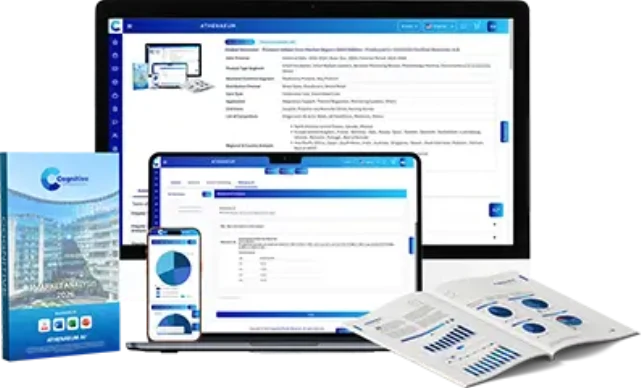
Athenaeum AI Dashboard
Our Proprietary Methodology
Cognitive Market Research and Consulting "The Full Truth" methodology — a rigorous triangulation process that combines primary research, secondary validation, and expert calibration. Implemented by Supriya Yadav and team for the Neonatal and Pediatric Devices Market Analysis Market analysis.
Primary Intelligence Gathering
Direct interviews with 50+ industry stakeholders including manufacturers, distributors, end-users, and regulatory bodies across all six regions.
Secondary Data Triangulation
Cross-referencing against trade databases, customs records, financial filings, patent databases, and verified industry publications.
Expert Validation Protocol
Each data point undergoes validation by minimum two independent domain experts with 15+ years of industry experience.
Athenaeum AI Processing
Our proprietary AI platform aggregates, normalizes, and identifies patterns across 10,000+ data points to surface non-obvious insights.
Editorial & QA Review
Final review by senior analysts ensures accuracy, coherence, and actionability of all insights and recommendations.
Data Assurance Metrics
Analytical Coverage
To maintain the integrity of our proprietary methodology and protect our elite expert network, specific source disclosures are reserved for full-access partners. Our research framework is anchored by a 70:30 primary-to-secondary ratio, ensuring your strategy is driven by real-time market intelligence rather than recycled, publicly available, or AI-generated data. Every deliverable includes an exhaustive source directory and grants direct analyst access.
Sources from the Medical Devices & Consumables Industry
The Three Pillars of End-to-End Market Research Services
We don't just hand over data. We partner with your team across three integrated service lines — each designed to give you decision-grade intelligence on the Neonatal and Pediatric Devices Market Analysis market.
Market Survey
Structured primary research across both B2B and B2C channels. We design and execute custom surveys targeting manufacturers, distributors, procurement heads, and end-consumers in the neonatal and pediatric devices market analysis ecosystem — validated by our global panel of 10,000+ industrial respondents.
- Buyer intent & sentiment analysis
- Purchase cycle mapping
- Price sensitivity research
- Channel preference profiling
- Competitive perception study
Customized Market Data & Reports
Choose from our ready-to-access 8th Edition report or commission a fully customized dataset tailored to your exact strategic questions. Cross-splits, custom geographies, proprietary segmentation — we build the intelligence asset your board actually needs.
- Ready syndicate report (250+ pages)
- Custom data scope & segmentation
- Excel quantitative models
- Board-ready PPT with key findings
- Secure cloud portal access
Strategic Consultation
Every survey and every report comes with dedicated analyst consultation. Our senior research team walks your leadership through findings, answers strategic questions in real-time, and helps translate data into your next board presentation or investment thesis.
- Dedicated analyst assigned to you
- Live walkthrough of findings
- Strategic Q&A sessions
- Go-to-market recommendations
- NDA-protected engagement
Customize This Report
Tell us the specific segments, regions, or companies you need — and we will tailor the deliverable to your requirements.