We value your privacy
We use cookies to improve your experience and analyze traffic. By continuing, you consent to our use of cookies under GDPR, CCPA and other applicable laws. Privacy Policy
Cookie preferences
Choose which categories of cookies you allow. Strictly necessary cookies are always on.
Strictly necessary
Required for core site functionality, security and your session. Always active.
Analytics
Help us understand how visitors use the site (e.g. Google Analytics) so we can improve it.
Marketing
Used to measure campaigns and show you relevant ads on other sites (e.g. LinkedIn, Google Ads).
ⓘ 8th Edition 2026Revenue: USD Million/BillionVolume/Consumption: Unit
Li Ion Battery For Digital Camera Market Analysis 2026
The Li-Ion Battery For Digital Camera Market will expand at a compound annual growth rate (CAGR) of 16.00%from 2023 to 2030. Download a free sample with data verified by Anushka Gore
🔍 Explore Li Ion Battery For Digital Camera Market Analysis Services: Bespoke Data | Athenaeum AI Dashboard | Market Surveys | Expert-Led Analysis | Market Size | Key Drivers | Emerging Trends
👉 Free Sample |
Book Appointment
Li Ion Battery for Digital Camera Market Type Segment Analysis
According to Cognitive Market Research, AA for Digital Camera held the major market share in the forecast period due to their versatility and widespread availability. AA batteries have long been a standard power source for various electronic devices, including digital cameras, offering a convenient and easily replaceable option for users. The ubiquity of AA batteries ensures that consumers can readily find replacements in most retail stores, providing a practical solution for powering digital cameras, especially in situations where immediate access to proprietary or rechargeable batteries may be limited. Additionally, the compatibility of many digital cameras with AA batteries enhances the appeal of this power option, offering users flexibility and convenience, especially in travel or remote settings.
AAA is the fastest-growing category over the forecast period primarily driven by their compact size, energy efficiency, and versatility. As consumer electronics, including digital cameras, continue to trend towards smaller and more portable designs, the demand for AAA batteries has surged. The compact form factor of AAA batteries makes them ideal for sleek and lightweight camera models, aligning with the industry's push for enhanced portability. Additionally, advancements in battery technology have improved the energy density of AAA batteries, allowing them to power digital cameras efficiently while maintaining a smaller footprint.
AA
AAA
AA Li Ion Battery For Digital Camera Market Analysis
XX
AA Market Size 2025
XX %
CAGR
Locked · Full data in paid report
AAA Li Ion Battery For Digital Camera Market Analysis
XX
AAA Market Size 2025
XX %
CAGR
Locked · Full data in paid report
Market size by (Illustrative, 2025)
Share distribution (2025)
Disclaimer: The charts and graphs are for illustrative purposes only and do not represent actual market values. To access accurate quantitative data, please request a paid report or request free sample.
To learn more about market share and segmentation, request the free sample pages.
Competitor Analysis
Competitive Landscape for the Li Ion Battery for Digital Camera Market
The major players rapidly evolve with new strategies to attain a competitive edge and capture significant market share. The major Li Ion Battery for Digital Camera Market participants emphasize expanding creative offerings to serve a large consumer base and gain a competitive benefit.
Li Ion Battery for Digital Camera Industry News
February 2023, Announcement of Merger between Subsidiaries AESC Japan Ltd. and AESC Energy Devices Ltd. AESC Group (HQ Zama City, Kanagawa Prefecture; CEO Shoichi Matsumoto; below EA Group) has announced the merger of subsidiaries AESC Japan Ltd (HQ Zama City, Kanagawa Prefecture; CEO Shoichi Matsumoto; below EA Japan) and AESC Energy Devices Ltd (HQ Sagamihara City, Kanagawa Prefecture.
Click any bar or cell to request the full company profile
Top Companies (In no particular order)
2022 (A)
2023 (A)
2024 (A)
2025 (A)
Panasonic Corporation
•••
•••
•••
•••
Sony Corporation
•••
•••
•••
•••
Samsung SDI Co Ltd.
•••
•••
•••
•••
LG Chem Ltd.
•••
•••
•••
•••
BYD Company Limited
•••
•••
•••
•••
Sanyo Electric Co Ltd.
•••
•••
•••
•••
GS Yuasa Corporation
•••
•••
•••
•••
A123 Systems LLC
•••
•••
•••
•••
Saft Groupe S.A.
•••
•••
•••
•••
EnerDel
•••
•••
•••
•••
Toshiba Corporation
•••
•••
•••
•••
Duracell Inc
•••
•••
•••
•••
Envision AESC
•••
•••
•••
•••
CATL
•••
•••
•••
•••
EVE Energy Co.
•••
•••
•••
•••
Ltd.
•••
•••
•••
•••
Shenzhen BAK Battery Co.
•••
•••
•••
•••
Ltd.
•••
•••
•••
•••
Farasis Energy
•••
•••
•••
•••
Amperex Technology Limited
•••
•••
•••
•••
Varta AG
•••
•••
•••
•••
Toshiba America Electronic Components Inc.
•••
•••
•••
•••
We Provide Regional Breakdown of this Companies and Company specific to any Country, Region, Product/ service as well. We cover market share analysis for publicly listed companies as well as privately held companies, subject to data availability.
According to Cognitive Market Research, the global Li Ion Battery for Digital Camera Market size was USD XX million in 2023 and will expand at a compound annual growth rate (CAGR) of 16.00% from 2023 to 2030. The demand for Li Ion Battery for Digital Camera is rising due to the demand for electric vehicles.
Demand for digitalization remains higher in the Li Ion Battery for Digital Camera Market.
The 360 cameras category held the highest Li Ion Battery for Digital Camera Market revenue share in 2023.
North American Li Ion Battery for Digital Camera will continue to lead, whereas the European Li Ion Battery for Digital Camera Market will experience the most substantial growth until 2030.
What is Li Ion Battery for Digital Camera?
The Li-ion Battery for Digital Camera Market" refers to the segment of the electronics industry focused on the production, distribution, and consumption of lithium-ion (Li-ion) batteries specifically designed for use in digital cameras. Lithium-ion batteries have become the preferred power source for digital cameras due to their high energy density, lightweight design, and rechargeable nature, making them suitable for the portable and energy-demanding requirements of digital photography. The Li-ion battery market for digital cameras is characterized by intense competition among key players such as Panasonic Corporation, Sony Corporation, Samsung SDI Co., Ltd., and LG Chem Ltd. These companies strive to innovate and enhance the performance and energy density of lithium-ion batteries, meeting the increasing demand for longer-lasting and more efficient power sources in digital cameras. Factors influencing the market include advancements in battery technology, consumer preferences for lightweight and compact devices, and the growing adoption of high-performance digital cameras in photography and videography. Additionally, environmental considerations and the push towards sustainable energy solutions are likely to impact the development and adoption of Li-ion batteries for digital cameras in the foreseeable future. for the latest and most accurate information, it is recommended to refer to updated market reports and industry analyses.
For instance, in December 2023, Toshiba Digital Solutions Corporation (Toshiba) announced the general availability of GridDB® Cloud V2.0, a public cloud Database Managed Service for IoT and Big Data workloads. In GridDB® Cloud V2.0, a plan that users can utilize for free without any time limitations has been added. With no time restrictions, it can be utilized as a database for users looking to kickstart their business.
Our study will explain complete manufacturing process along with major raw materials required to manufacture end-product. This report helps to make effective decisions determining product positioning and will assist you to understand opportunities and threats around the globe.
The Li Ion Battery For Digital Camera Market Analysis is witnessing significant growth in the near future.
In 2023, the AA
segment accounted for a notable share of the Li Ion Battery For Digital Camera Market Analysis.
Senior Research Associate at Cognitive Market Research
Anushka Gore is a Senior Research Associate at Cognitive Market Research & Consulting, specializing in the Consumer Goods sector. She is involved in delivering comprehensive market intelligence and business research solutions, utilizing both primary and secondary research methodologies to provide accurate, actionable, and data-driven insights for organizations operating across diverse consumer markets.
Her expertise includes market sizing and forecasting, competitive landscape assessment, consumer behavior analysis, brand positioning studies, customer and stakeholder surveys, expert interviews, and strategic market evaluations. Anushka works closely with manufacturers, retailers, distributors, industry experts, and consumers to gather firsthand market insights while leveraging extensive secondary research to validate market trends, demand patterns, and growth opportunities.
At Cognitive Market Research & Consulting, she contributes to market research reports, custom consulting engagements, and survey-based studies spanning various consumer goods categories, including packaged foods, beverages, personal care products, household products, consumer electronics, lifestyle products, and emerging consumer brands. Her research helps organizations understand changing consumer preferences, purchasing behaviors, distribution channel dynamics, competitive strategies, and innovation trends shaping the consumer goods industry.
Through her analytical approach and deep understanding of consumer markets, Anushka supports businesses in identifying growth opportunities, evaluating market potential, optimizing product strategies, and making informed strategic decisions. Her commitment to delivering high-quality research enables organizations to adapt to evolving consumer demands, strengthen market positioning, and achieve sustainable growth in an increasingly competitive marketplace.
The global market size for Li Ion Battery for Digital Camera in 2023 was XX USD million.
The global Li Ion Battery for Digital Camera Market is expected to grow with a CAGR of 16.00% over the projected period.
North America held a significant global Li Ion Battery for Digital Camera Market revenue share in 2023.
Europe will witness the fastest growth of the global Li Ion Battery for Digital Camera Market over the coming years.
The US had the most significant global Li Ion Battery for Digital Camera Market revenue share in 2023.
The main drivers of the growth of the Li Ion Battery for Digital Camera Market are technological advancements, increasing digitalization, and consumer preferences.
The 360 cameras had the largest share in the global Li-Ion Battery for Digital Camera Market by application
In 2023, AA segment had a significant revenue share in the global Li Ion Battery for Digital Camera Market in terms of type.
★ Reviews
Rate this report
Li Ion Battery For Digital Camera Market Analysis — Table of Contents
Disclaimer:
This is just a redacted sample pages of the actual deliverable report and only for representative purposes
Charts/Graphs/Numbers/data are only for Representative purposes and do not depict actual statistics.
The table of Contents differs according to the user License selection. Current Displayed TOC is for the Corporate User License Report Edition. TOC Customization options: Add or Remove section/s Or chapter/s from the report.
Specific Tables, Graphs, Sections, and Chapters can be ordered at a discounted price.
If applicable; On Request Volume Data will also be provided (at an Additional Cost).
Report Scope
Type
AA, AAA
Application
Compact Digital Cameras, Digital SLR Cameras, Mirrorless Cameras, Action Cameras, 360 Cameras, Film Cameras
List of Competitors
Panasonic Corporation, Sony Corporation, Samsung SDI Co Ltd., LG Chem Ltd., BYD Company Limited, Sanyo Electric Co Ltd., GS Yuasa Corporation, A123 Systems LLC, Saft Groupe S.A., EnerDel, Toshiba Corporation, Duracell Inc, Envision AESC, CATL, EVE Energy Co., Ltd., Shenzhen BAK Battery Co., Ltd., Farasis Energy, Amperex Technology Limited, Varta AG, Toshiba America Electronic Components Inc.
Chapter 1. Competitor Analysis (Subject to Data Availability (Private Players))
1.1 Top Competitors Analysis
1.1.1 Global Li Ion Battery For Digital Camera Market Analysis by Key Players
1.1.2 Segment Market Analysis by Key Players
1.1.3 Top Players Ranking 2024
1.1.4 New Product Launch Analysis
1.1.5 Industry Mergers and Acquisition Analysis
1.2 Company Profile (Data Subject to Availability) Sample Format
1.2.1 Panasonic Corporation
1.2.1.1 Company Basic Information, Manufacturing Base, Sales Area, and Competitors
1.2.1.2 Business Overview
1.2.1.3 Financials (Subject to data availability)
1.2.1.4 R&D Investment (Subject to data availability)
1.2.1.5 Product Types Specification
1.2.1.6 Business Strategy
1.2.1.7 Recent Developments
1.2.1.8 Management Change
1.2.1.9 S.W.O.T Analysis
1.2.2 Sony Corporation
1.2.2.1 Company Basic Information, Manufacturing Base, Sales Area, and Competitors
1.2.2.2 Business Overview
1.2.2.3 Financials (Subject to data availability)
1.2.2.4 R&D Investment (Subject to data availability)
1.2.2.5 Product Types Specification
1.2.2.6 Business Strategy
1.2.2.7 Recent Developments
1.2.2.8 Management Change
1.2.2.9 S.W.O.T Analysis
1.2.3 Samsung SDI Co Ltd.
1.2.3.1 Company Basic Information, Manufacturing Base, Sales Area, and Competitors
1.2.3.2 Business Overview
1.2.3.3 Financials (Subject to data availability)
1.2.3.4 R&D Investment (Subject to data availability)
1.2.3.5 Product Types Specification
1.2.3.6 Business Strategy
1.2.3.7 Recent Developments
1.2.3.8 Management Change
1.2.3.9 S.W.O.T Analysis
1.2.4 LG Chem Ltd.
1.2.4.1 Company Basic Information, Manufacturing Base, Sales Area, and Competitors
1.2.4.2 Business Overview
1.2.4.3 Financials (Subject to data availability)
1.2.4.4 R&D Investment (Subject to data availability)
1.2.4.5 Product Types Specification
1.2.4.6 Business Strategy
1.2.4.7 Recent Developments
1.2.4.8 Management Change
1.2.4.9 S.W.O.T Analysis
1.2.5 BYD Company Limited
1.2.5.1 Company Basic Information, Manufacturing Base, Sales Area, and Competitors
1.2.5.2 Business Overview
1.2.5.3 Financials (Subject to data availability)
1.2.5.4 R&D Investment (Subject to data availability)
1.2.5.5 Product Types Specification
1.2.5.6 Business Strategy
1.2.5.7 Recent Developments
1.2.5.8 Management Change
1.2.5.9 S.W.O.T Analysis
1.2.6 Sanyo Electric Co Ltd.
1.2.6.1 Company Basic Information, Manufacturing Base, Sales Area, and Competitors
1.2.6.2 Business Overview
1.2.6.3 Financials (Subject to data availability)
1.2.6.4 R&D Investment (Subject to data availability)
1.2.6.5 Product Types Specification
1.2.6.6 Business Strategy
1.2.6.7 Recent Developments
1.2.6.8 Management Change
1.2.6.9 S.W.O.T Analysis
1.2.7 GS Yuasa Corporation
1.2.7.1 Company Basic Information, Manufacturing Base, Sales Area, and Competitors
1.2.7.2 Business Overview
1.2.7.3 Financials (Subject to data availability)
1.2.7.4 R&D Investment (Subject to data availability)
1.2.7.5 Product Types Specification
1.2.7.6 Business Strategy
1.2.7.7 Recent Developments
1.2.7.8 Management Change
1.2.7.9 S.W.O.T Analysis
1.2.8 A123 Systems LLC
1.2.8.1 Company Basic Information, Manufacturing Base, Sales Area, and Competitors
1.2.8.2 Business Overview
1.2.8.3 Financials (Subject to data availability)
1.2.8.4 R&D Investment (Subject to data availability)
1.2.8.5 Product Types Specification
1.2.8.6 Business Strategy
1.2.8.7 Recent Developments
1.2.8.8 Management Change
1.2.8.9 S.W.O.T Analysis
1.2.9 Saft Groupe S.A.
1.2.9.1 Company Basic Information, Manufacturing Base, Sales Area, and Competitors
1.2.9.2 Business Overview
1.2.9.3 Financials (Subject to data availability)
1.2.9.4 R&D Investment (Subject to data availability)
1.2.9.5 Product Types Specification
1.2.9.6 Business Strategy
1.2.9.7 Recent Developments
1.2.9.8 Management Change
1.2.9.9 S.W.O.T Analysis
1.2.10 EnerDel
1.2.10.1 Company Basic Information, Manufacturing Base, Sales Area, and Competitors
1.2.10.2 Business Overview
1.2.10.3 Financials (Subject to data availability)
1.2.10.4 R&D Investment (Subject to data availability)
1.2.10.5 Product Types Specification
1.2.10.6 Business Strategy
1.2.10.7 Recent Developments
1.2.10.8 Management Change
1.2.10.9 S.W.O.T Analysis
1.2.11 Toshiba Corporation
1.2.11.1 Company Basic Information, Manufacturing Base, Sales Area, and Competitors
1.2.11.2 Business Overview
1.2.11.3 Financials (Subject to data availability)
1.2.11.4 R&D Investment (Subject to data availability)
1.2.11.5 Product Types Specification
1.2.11.6 Business Strategy
1.2.11.7 Recent Developments
1.2.11.8 Management Change
1.2.11.9 S.W.O.T Analysis
1.2.12 Duracell Inc
1.2.12.1 Company Basic Information, Manufacturing Base, Sales Area, and Competitors
1.2.12.2 Business Overview
1.2.12.3 Financials (Subject to data availability)
1.2.12.4 R&D Investment (Subject to data availability)
1.2.12.5 Product Types Specification
1.2.12.6 Business Strategy
1.2.12.7 Recent Developments
1.2.12.8 Management Change
1.2.12.9 S.W.O.T Analysis
1.2.13 Envision AESC
1.2.13.1 Company Basic Information, Manufacturing Base, Sales Area, and Competitors
1.2.13.2 Business Overview
1.2.13.3 Financials (Subject to data availability)
1.2.13.4 R&D Investment (Subject to data availability)
1.2.13.5 Product Types Specification
1.2.13.6 Business Strategy
1.2.13.7 Recent Developments
1.2.13.8 Management Change
1.2.13.9 S.W.O.T Analysis
1.2.14 CATL
1.2.14.1 Company Basic Information, Manufacturing Base, Sales Area, and Competitors
1.2.14.2 Business Overview
1.2.14.3 Financials (Subject to data availability)
1.2.14.4 R&D Investment (Subject to data availability)
1.2.14.5 Product Types Specification
1.2.14.6 Business Strategy
1.2.14.7 Recent Developments
1.2.14.8 Management Change
1.2.14.9 S.W.O.T Analysis
1.2.15 EVE Energy Co.
1.2.15.1 Company Basic Information, Manufacturing Base, Sales Area, and Competitors
1.2.15.2 Business Overview
1.2.15.3 Financials (Subject to data availability)
1.2.15.4 R&D Investment (Subject to data availability)
1.2.15.5 Product Types Specification
1.2.15.6 Business Strategy
1.2.15.7 Recent Developments
1.2.15.8 Management Change
1.2.15.9 S.W.O.T Analysis
1.2.16 Ltd.
1.2.16.1 Company Basic Information, Manufacturing Base, Sales Area, and Competitors
1.2.16.2 Business Overview
1.2.16.3 Financials (Subject to data availability)
1.2.16.4 R&D Investment (Subject to data availability)
1.2.16.5 Product Types Specification
1.2.16.6 Business Strategy
1.2.16.7 Recent Developments
1.2.16.8 Management Change
1.2.16.9 S.W.O.T Analysis
1.2.17 Shenzhen BAK Battery Co.
1.2.17.1 Company Basic Information, Manufacturing Base, Sales Area, and Competitors
1.2.17.2 Business Overview
1.2.17.3 Financials (Subject to data availability)
1.2.17.4 R&D Investment (Subject to data availability)
1.2.17.5 Product Types Specification
1.2.17.6 Business Strategy
1.2.17.7 Recent Developments
1.2.17.8 Management Change
1.2.17.9 S.W.O.T Analysis
1.2.18 Ltd.
1.2.18.1 Company Basic Information, Manufacturing Base, Sales Area, and Competitors
1.2.18.2 Business Overview
1.2.18.3 Financials (Subject to data availability)
1.2.18.4 R&D Investment (Subject to data availability)
1.2.18.5 Product Types Specification
1.2.18.6 Business Strategy
1.2.18.7 Recent Developments
1.2.18.8 Management Change
1.2.18.9 S.W.O.T Analysis
1.2.19 Farasis Energy
1.2.19.1 Company Basic Information, Manufacturing Base, Sales Area, and Competitors
1.2.19.2 Business Overview
1.2.19.3 Financials (Subject to data availability)
1.2.19.4 R&D Investment (Subject to data availability)
1.2.19.5 Product Types Specification
1.2.19.6 Business Strategy
1.2.19.7 Recent Developments
1.2.19.8 Management Change
1.2.19.9 S.W.O.T Analysis
1.2.20 Amperex Technology Limited
1.2.20.1 Company Basic Information, Manufacturing Base, Sales Area, and Competitors
1.2.20.2 Business Overview
1.2.20.3 Financials (Subject to data availability)
1.2.20.4 R&D Investment (Subject to data availability)
1.2.20.5 Product Types Specification
1.2.20.6 Business Strategy
1.2.20.7 Recent Developments
1.2.20.8 Management Change
1.2.20.9 S.W.O.T Analysis
1.2.21 Varta AG
1.2.21.1 Company Basic Information, Manufacturing Base, Sales Area, and Competitors
1.2.21.2 Business Overview
1.2.21.3 Financials (Subject to data availability)
1.2.21.4 R&D Investment (Subject to data availability)
1.2.21.5 Product Types Specification
1.2.21.6 Business Strategy
1.2.21.7 Recent Developments
1.2.21.8 Management Change
1.2.21.9 S.W.O.T Analysis
1.2.22 Toshiba America Electronic Components Inc.
1.2.22.1 Company Basic Information, Manufacturing Base, Sales Area, and Competitors
1.2.22.2 Business Overview
1.2.22.3 Financials (Subject to data availability)
1.2.22.4 R&D Investment (Subject to data availability)
1.2.22.5 Product Types Specification
1.2.22.6 Business Strategy
1.2.22.7 Recent Developments
1.2.22.8 Management Change
1.2.22.9 S.W.O.T Analysis
Chapter 2. Global Li Ion Battery For Digital Camera Market Analysis
2.1 Global Li Ion Battery For Digital Camera Market Analysis
2.2 Global Li Ion Battery For Digital Camera Market Analysis by Region
2.3 Global Li Ion Battery For Digital Camera Market Analysis by Type
2.4 Global Li Ion Battery For Digital Camera Market Analysis by Application
2.5 Global Li Ion Battery For Digital Camera Market Analysis by Key Players
Chapter 3. North America Li Ion Battery For Digital Camera Market Analysis
3.1 North America Li Ion Battery For Digital Camera Market Analysis
3.2 North America Li Ion Battery For Digital Camera Market Analysis by Country
3.3 North America Li Ion Battery For Digital Camera Market Analysis by Type
3.4 North America Li Ion Battery For Digital Camera Market Analysis by Application
3.5 North America Li Ion Battery For Digital Camera Market Analysis by Key Players
Chapter 4. Europe Li Ion Battery For Digital Camera Market Analysis
4.1 Europe Li Ion Battery For Digital Camera Market Analysis
4.2 Europe Li Ion Battery For Digital Camera Market Analysis by Country
4.3 Europe Li Ion Battery For Digital Camera Market Analysis by Type
4.4 Europe Li Ion Battery For Digital Camera Market Analysis by Application
4.5 Europe Li Ion Battery For Digital Camera Market Analysis by Key Players
Chapter 5. Asia Pacific Li Ion Battery For Digital Camera Market Analysis
5.1 Asia Pacific Li Ion Battery For Digital Camera Market Analysis
5.2 Asia Pacific Li Ion Battery For Digital Camera Market Analysis by Country
5.3 Asia Pacific Li Ion Battery For Digital Camera Market Analysis by Type
5.4 Asia Pacific Li Ion Battery For Digital Camera Market Analysis by Application
5.5 Asia Pacific Li Ion Battery For Digital Camera Market Analysis by Key Players
Chapter 6. South America Li Ion Battery For Digital Camera Market Analysis
6.1 South America Li Ion Battery For Digital Camera Market Analysis
6.2 South America Li Ion Battery For Digital Camera Market Analysis by Country
6.3 South America Li Ion Battery For Digital Camera Market Analysis by Type
6.4 South America Li Ion Battery For Digital Camera Market Analysis by Application
6.5 South America Li Ion Battery For Digital Camera Market Analysis by Key Players
Chapter 7. Middle East Li Ion Battery For Digital Camera Market Analysis
7.1 Middle East Li Ion Battery For Digital Camera Market Analysis
7.2 Middle East Li Ion Battery For Digital Camera Market Analysis by Country
7.3 Middle East Li Ion Battery For Digital Camera Market Analysis by Type
7.4 Middle East Li Ion Battery For Digital Camera Market Analysis by Application
7.5 Middle East Li Ion Battery For Digital Camera Market Analysis by Key Players
Chapter 8. Africa Li Ion Battery For Digital Camera Market Analysis
8.1 Africa Li Ion Battery For Digital Camera Market Analysis
8.2 Africa Li Ion Battery For Digital Camera Market Analysis by Country
8.3 Africa Li Ion Battery For Digital Camera Market Analysis by Type
8.4 Africa Li Ion Battery For Digital Camera Market Analysis by Application
8.5 Africa Li Ion Battery For Digital Camera Market Analysis by Key Players
Chapter 9. Type Analysis
9.1 AA
9.1.1 Global AA Market
9.1.2 Global AA Market by Region
9.2 AAA
9.2.1 Global AAA Market
9.2.2 Global AAA Market by Region
Chapter 10. Application Analysis
10.1 Compact Digital Cameras
10.1.1 Global Compact Digital Cameras Market
10.1.2 Global Compact Digital Cameras Market by Region
10.2 Digital SLR Cameras
10.2.1 Global Digital SLR Cameras Market
10.2.2 Global Digital SLR Cameras Market by Region
10.3 Mirrorless Cameras
10.3.1 Global Mirrorless Cameras Market
10.3.2 Global Mirrorless Cameras Market by Region
10.4 Action Cameras
10.4.1 Global Action Cameras Market
10.4.2 Global Action Cameras Market by Region
10.5 360 Cameras
10.5.1 Global 360 Cameras Market
10.5.2 Global 360 Cameras Market by Region
10.6 Film Cameras
10.6.1 Global Film Cameras Market
10.6.2 Global Film Cameras Market by Region
Chapter 11. Qualitative Analysis (Subject to Data Availability)
11.1 Market Drivers
11.2 Market Restraints
11.3 Market Trends
11.4 Market Opportunity
11.5 Technological Road Map (Subject to Data Availability)
11.6 Product Life Cycle (Subject to Data Availability)
11.7 Customer and Buyer Behavior Analysis
11.7.1 Digital Engagement, Customer Experience & Relationship Analysis
11.14.2 AI-Driven Transformation of Industry Value Chain
11.14.3 Evolution of Business Models & Revenue Streams
11.14.4 AI-Driven Product, Service & Innovation Transformation
11.14.5 Customer Behavior, AI Adoption & Future Market Evolution
Chapter 12. TOP 10 Country Analysis
12.1 Country 1
12.2 Country 2
12.3 Country 3
12.4 Country 4
12.5 Country 5
12.6 Country 6
12.7 Country 7
12.8 Country 8
12.9 Country 9
12.10 Country 10
Chapter 13. Research Findings
13.1 Key Takeaways
13.2 Analyst Point of View
13.3 Assumptions and Acronyms
Chapter 14. Research Methodology and Sources
14.1 Primary Data Collection
14.1.1 Steps for Primary Data Collection
14.1.1.1 Identification of KOL
14.1.2 Backward Integration
14.1.3 Forward Integration
14.1.4 How Primary Research Help Us
14.1.5 Modes of Primary Research
14.2 Secondary Research
14.2.1 How Secondary Research Help Us
14.2.2 Sources of Secondary Research
14.3 Data Validation
14.3.1 Data Triangulation
14.4 Data Representation
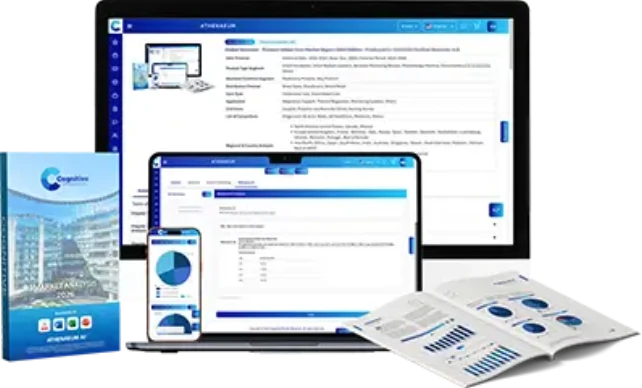
Athenaeum AI Dashboard
Research Framework · 70:30 Primary:Secondary
Our Proprietary Methodology
Cognitive Market Research and Consulting "The Full Truth" methodology — a rigorous triangulation process that combines primary research, secondary validation, and expert calibration. Implemented by Anushka Gore and team for the Li Ion Battery For Digital Camera Market Analysis Market analysis.
01
Primary Intelligence Gathering
Direct interviews with 50+ industry stakeholders including manufacturers, distributors, end-users, and regulatory bodies across all six regions.
02
Secondary Data Triangulation
Cross-referencing against trade databases, customs records, financial filings, patent databases, and verified industry publications.
03
Expert Validation Protocol
Each data point undergoes validation by minimum two independent domain experts with 15+ years of industry experience.
04
Athenaeum AI Processing
Our proprietary AI platform aggregates, normalizes, and identifies patterns across 10,000+ data points to surface non-obvious insights.
05
Editorial & QA Review
Final review by senior analysts ensures accuracy, coherence, and actionability of all insights and recommendations.
To maintain the integrity of our proprietary methodology and protect our elite expert network, specific source disclosures are reserved for full-access partners. Our research framework is anchored by a 70:30 primary-to-secondary ratio, ensuring your strategy is driven by real-time market intelligence rather than recycled, publicly available, or AI-generated data. Every deliverable includes an exhaustive source directory and grants direct analyst access.
Latest Articles about Li Ion Battery For Digital Camera Market
The Li ion Battery for Digital Camera Market refers to the segment of the electronics industry focused on the production, distribution, and consumption of lithium-ion Liion batteries specifically designed for use in digital cameras.
The Three Pillars of End-to-End Market Research Services
We don't just hand over data. We partner with your team across three integrated service lines — each designed to give you decision-grade intelligence on the Li Ion Battery For Digital Camera Market Analysis market.
Service 01
Market Survey
B2BB2C
Structured primary research across both B2B and B2C channels. We design and execute custom surveys targeting manufacturers, distributors, procurement heads, and end-consumers in the li ion battery for digital camera market analysis ecosystem — validated by our global panel of 10,000+ industrial respondents.
What's Included
Buyer intent & sentiment analysis
Purchase cycle mapping
Price sensitivity research
Channel preference profiling
Competitive perception study
Most Requested
Service 02
Customized Market Data & Reports
CustomReady Report
Choose from our ready-to-access 8th Edition report or commission a fully customized dataset tailored to your exact strategic questions. Cross-splits, custom geographies, proprietary segmentation — we build the intelligence asset your board actually needs.
What's Included
Ready syndicate report (250+ pages)
Custom data scope & segmentation
Excel quantitative models
Board-ready PPT with key findings
Secure cloud portal access
Service 03
Strategic Consultation
With SurveyWith Report
Every survey and every report comes with dedicated analyst consultation. Our senior research team walks your leadership through findings, answers strategic questions in real-time, and helps translate data into your next board presentation or investment thesis.
What's Included
Dedicated analyst assigned to you
Live walkthrough of findings
Strategic Q&A sessions
Go-to-market recommendations
NDA-protected engagement
Li Ion Battery For Digital Camera Market Related Reports
Tell us the specific segments, regions, or companies you need — and we will tailor the deliverable to your requirements.
Why Trust Us
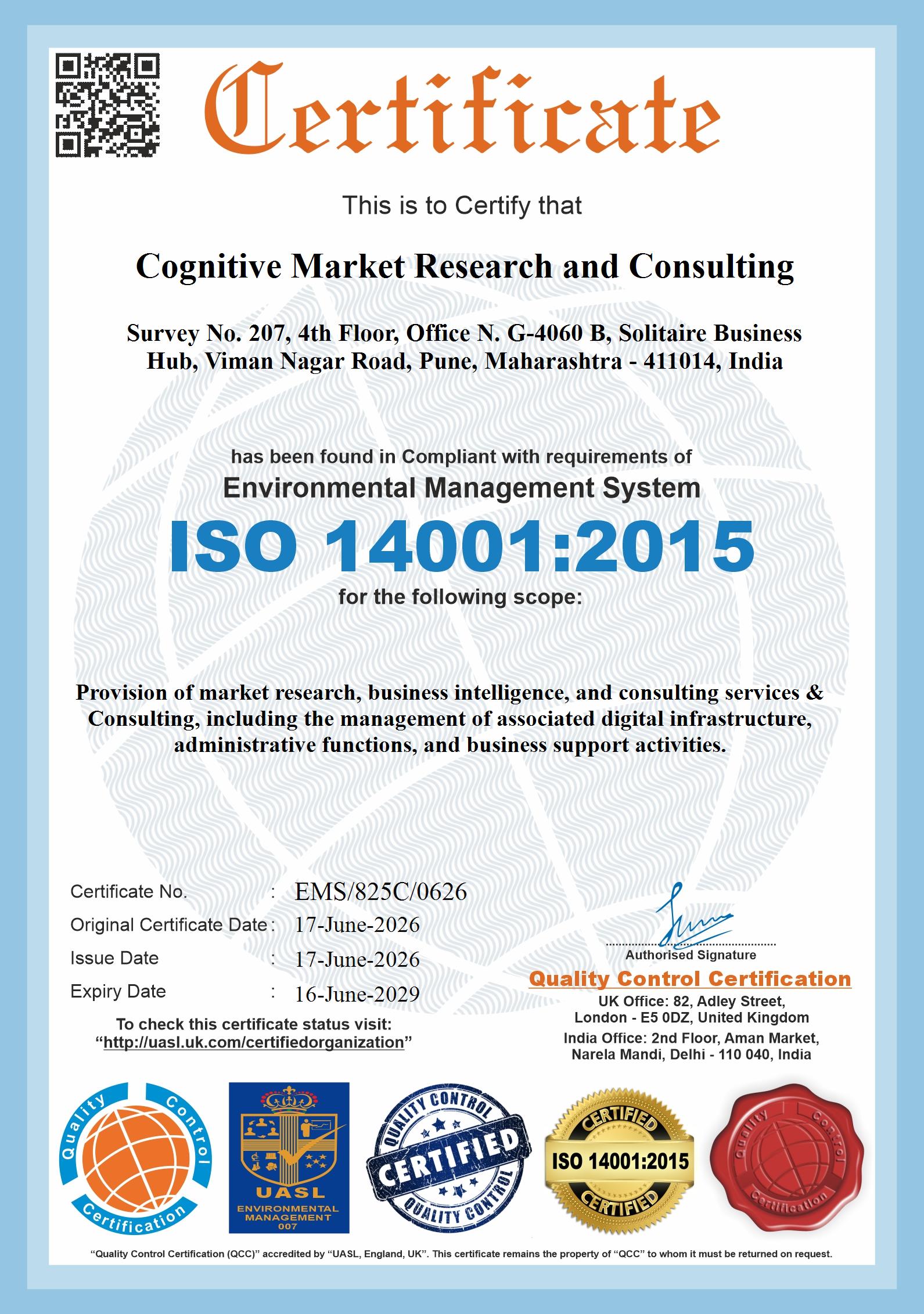
What these certifications mean to usA market figure is only as reliable as the system that produced it. That is why our accreditations cover the whole chain, not just the research step. ESOMAR and MRSI membership binds us to the professional codes that govern how respondents are recruited and how findings may be represented. ISO 20252 governs the research process itself; ISO 9001 and our quality control certification govern how consistently we repeat it. ISO 27001 and ISO 27701, alongside our GDPR, CCPA and DPDP compliance, govern what happens to your brief and your data once it reaches us; because a confidential scope is often more sensitive than the deliverable. ISO 14001, our D-U-N-S registration, Chamber of Commerce membership and DMCA protection speak to how the company itself is run and how its work is safeguarded.Our Clutch and Trustpilot profiles are deliberately listed next to them. They are the only signals on this page we do not issue ourselves, and they are the ones we would check first if we were you.