We value your privacy
We use cookies to improve your experience and analyze traffic. By continuing, you consent to our use of cookies under GDPR, CCPA and other applicable laws. Privacy Policy
Cookie preferences
Choose which categories of cookies you allow. Strictly necessary cookies are always on.
Strictly necessary
Required for core site functionality, security and your session. Always active.
Analytics
Help us understand how visitors use the site (e.g. Google Analytics) so we can improve it.
Marketing
Used to measure campaigns and show you relevant ads on other sites (e.g. LinkedIn, Google Ads).
Errand Service Market Analysis size 2021 was recorded $1562.86 Million whereas by the end of 2026 it will reach $2620.89 Million. According to the author, by 2033 Errand Service market size will become $5408.79 Million. Errand Service market will be growing at a CAGR of 10.9% during 2026 to 2033. Download a free sample with data verified by Anushka Gore
Errand Service Market Analysis from 2022 to 2034 Containing Market Size, Share along with its CAGR, Forecast and Trends
Top Countries — Revenue
Million
Access the full forecast model.
Country-level data · Company profiles · Editable dataset · Analyst consultation included.
Errand Service Market Analysis — Presence
Geographical Analysis
Click countries to explore
Loading map…
Regional and Country Analysis
Global Errand Service Market Analysis 2026
Country-level values are locked in this preview.
Request a free sample
to unlock the full breakdown.
Region / Country
2021 (A)
2025 (A)
2033 (P)
CAGR
Global
$ 1562.86 Million
$ 2364 Million
$ 5408.79 Million
10.9%
North America
$ 618.89 Million
$ 910.14 Million
$ 1957.98 Million
10.049%
United States
$ 477.79 Million
$ 694.44 Million
$ 1458.7 Million
9.721%
Canada
$ 100.26 Million
$ 151.08 Million
$ 338.73 Million
10.619%
Mexico
$ 40.85 Million
$ 64.62 Million
$ 160.55 Million
12.049%
Europe
$ 423.54 Million
$ 633.55 Million
$ 1406.28 Million
10.481%
United Kingdom
$ 76.24 Million
$ 110.87 Million
$ 229.22 Million
9.504%
France
$ 59.72 Million
$ 87.43 Million
$ 178.6 Million
9.339%
Germany
$ 85.13 Million
$ 124.81 Million
$ 264.38 Million
9.837%
Italy
$ 40.66 Million
$ 60.82 Million
$ 130.78 Million
10.043%
Russia
$ 32.19 Million
$ 48.78 Million
$ 111.1 Million
10.835%
Spain
$ 29.65 Million
$ 46.88 Million
$ 116.72 Million
12.077%
Sweden
$ 22.45 Million
$ 32.95 Million
$ 71.72 Million
10.213%
Denmark
$ 23.72 Million
$ 38.01 Million
$ 97.03 Million
12.428%
Switzerland
$ 16.52 Million
$ 25.98 Million
$ 64.69 Million
12.081%
Luxembourg
$ 9.74 Million
$ 13.94 Million
$ 29.53 Million
9.84%
Rest of Europe
$ 27.53 Million
$ 43.08 Million
$ 112.5 Million
12.748%
Asia Pacific
$ 334.45 Million
$ 536.63 Million
$ 1379.24 Million
12.524%
China
$ 112.38 Million
$ 185.67 Million
$ 495.15 Million
13.044%
Japan
$ 69.57 Million
$ 106.25 Million
$ 248.26 Million
11.192%
South Korea
$ 28.09 Million
$ 44 Million
$ 107.58 Million
11.823%
India
$ 38.13 Million
$ 64.4 Million
$ 182.06 Million
13.873%
Australia
$ 26.76 Million
$ 41.32 Million
$ 100.69 Million
11.776%
Singapore
$ 9.03 Million
$ 13.63 Million
$ 31.72 Million
11.137%
Taiwan
$ 10.03 Million
$ 15.03 Million
$ 35.86 Million
11.487%
South East Asia
$ 32.78 Million
$ 53.13 Million
$ 137.92 Million
12.666%
Rest of APAC
xxxx
xxxx
xxxx
xxxx
South America
$ 79.71 Million
$ 122.93 Million
$ 292.07 Million
11.424%
Brazil
$ 33.24 Million
$ 52.74 Million
$ 131.43 Million
12.092%
Argentina
$ 13.79 Million
$ 21.27 Million
$ 50.24 Million
11.344%
Colombia
$ 11.4 Million
$ 17.7 Million
$ 43.23 Million
11.807%
Peru
$ 7.33 Million
$ 10.94 Million
$ 24.24 Million
10.457%
Chile
$ 7.49 Million
$ 11.19 Million
$ 25.12 Million
10.64%
Rest of South America
$ 6.46 Million
$ 9.1 Million
$ 17.82 Million
8.766%
Middle East
$ 59.39 Million
$ 89.83 Million
$ 216.35 Million
11.613%
Saudi Arabia
$ 22.98 Million
$ 35.12 Million
$ 86.11 Million
11.861%
Turkey
$ 11.46 Million
$ 17.52 Million
$ 43.27 Million
11.967%
UAE
$ 9.22 Million
$ 13.65 Million
$ 31.37 Million
10.957%
Egypt
$ 9.21 Million
$ 13.83 Million
$ 32.02 Million
11.06%
Qatar
$ 3.39 Million
$ 5.39 Million
$ 14.28 Million
12.951%
Rest of Middle East
$ 3.14 Million
$ 4.31 Million
$ 9.3 Million
10.089%
Africa
$ 46.89 Million
$ 70.92 Million
$ 156.86 Million
10.431%
East Africa
xxxx
xxxx
xxxx
xxxx
West Africa
xxxx
xxxx
xxxx
xxxx
North Africa
xxxx
xxxx
xxxx
xxxx
South Africa
$ 18.9 Million
$ 27.94 Million
$ 58.98 Million
9.787%
The Global Errand Service Market is a dynamic and evolving sector within the broader on-demand economy. It caters to the growing need for time-saving and convenience-oriented solutions for both individuals and businesses. The market's structure is shifting from traditional, localized providers to sophisticated, app-based platforms that offer a wide array of services. This evolution is driven by powerful socio-economic forces, including urbanization, dual-income households, and the technological advancements that underpin the gig economy, creating a fertile ground for sustained growth and innovation.
Global Errand Service Market Drivers
Time Scarcity in Modern Lifestyles: Increasing work hours, longer commutes, and the prevalence of dual-income families leave individuals with limited time for personal tasks. Errand services offer a practical solution, allowing consumers to delegate routine activities and reclaim valuable personal time.
Growing Aging Population: A significant portion of the elderly population requires assistance with daily activities such as shopping, pharmacy visits, and bill payments. Errand services provide essential support, enabling seniors to maintain their independence and quality of life.
Proliferation of Digital Platforms and the Gig Economy: The rise of smartphone penetration and on-demand service apps has made it exceptionally easy for consumers to request services and for providers to find work. This technological infrastructure has lowered the barrier to entry and dramatically increased the market's accessibility and efficiency.
Global Errand Service Market Trends
Adoption of Subscription Models: Companies are increasingly offering subscription-based packages that provide a set number of errand hours or tasks per month for a flat fee. This model fosters customer loyalty and creates a predictable revenue stream for service providers.
Niche Service Specialization: To differentiate in a crowded market, providers are focusing on specialized niches. This includes corporate errand services for employees, assistance for new parents, pet-related errands, and luxury concierge services for high-net-worth individuals.
Integration of AI for Enhanced Efficiency: Artificial intelligence is being utilized for optimizing task allocation, predicting demand, personalizing customer communication, and planning the most efficient routes for runners, thereby reducing costs and improving service speed.
Global Errand Service Market Restraints
Trust, Safety, and Security Issues: Entrusting strangers with personal tasks, credit cards, and access to homes remains a significant barrier for many potential customers. Building and maintaining trust through rigorous background checks, insurance, and transparent reviews is critical but challenging.
Intense Competition and Price Sensitivity: The market faces competition not only from other dedicated errand services but also from adjacent on-demand delivery giants (e.g., in food and grocery) expanding their offerings. This often leads to price wars and pressure on profit margins.
Regulatory and Labor Classification Hurdles: The legal classification of service providers as independent contractors versus employees poses ongoing challenges. This ambiguity affects everything from wages and benefits to insurance liability and regulatory compliance, creating operational uncertainty.
Market Size: $ 618.894 Million (2021) -> $ 910.14 Million (2025) -> $ 1957.98 Million (2033)
CAGR (2021-2033): 10.049%
Country-Specific Insight: North America is the largest regional market, with the United States being the primary contributor. By 2025, the U.S. is expected to hold approximately 29.37% of the global errand service market. Canada follows, accounting for about 6.39% of the global market share in the same year, driven by similar trends in its major urban centers.
Regional Dynamics:
Key Drivers
High disposable incomes and a strong culture of convenience.
Prevalence of dual-income households and demanding professional careers.
Mature technological infrastructure and high smartphone penetration facilitating app-based service adoption.
Key Trends
Growth in corporate wellness programs that include errand services as an employee benefit.
Rising demand for senior assistance services as the baby boomer generation ages.
Integration with smart home devices for seamless service requests (e.g., "Alexa, book an errand runner").
Key Restraints
High labor costs and ongoing debates regarding gig worker classification and rights.
Strong competition from a multitude of established on-demand delivery platforms.
Customer privacy and data security concerns are particularly pronounced in this market.
Technology Focus
The focus is on sophisticated, AI-driven platforms for optimizing logistics, user experience personalization, and integration with other digital lifestyle services.
Market Size: $ 423.536 Million (2021) -> $ 633.552 Million (2025) -> $ 1406.28 Million (2033)
CAGR (2021-2033): 10.481%
Country-Specific Insight: Europe represents a significant and diverse market. By 2025, Germany is projected to hold about 5.28% of the global market, with the United Kingdom close behind at 4.69%. France also contributes significantly, representing 3.70% of the global market, reflecting a strong demand for personal services in major economies.
Regional Dynamics:
Key Drivers
Dense urban populations in major cities create concentrated demand.
Strong social support systems and a focus on work-life balance drive delegation of personal tasks.
Growing acceptance of the gig economy, particularly among younger demographics.
Key Trends
Emphasis on eco-friendly errand running, utilizing bicycles or electric vehicles for deliveries.
Rise of hyper-local services focusing on specific neighborhoods or communities.
B2B services, where errand platforms partner with local retailers and businesses for last-mile delivery.
Key Restraints
Strict labor laws and regulations (e.g., GDPR) that create compliance complexities.
Linguistic and cultural diversity across countries requires highly localized strategies.
A traditional preference for personal handling of tasks in some regions can slow adoption.
Technology Focus
Technology adoption emphasizes data privacy compliance (GDPR), multi-language platform support, and sustainable logistics planning through route optimization.
Market Size: $ 334.453 Million (2021) -> $ 536.628 Million (2025) -> $ 1379.24 Million (2033)
CAGR (2021-2033): 12.524%
Country-Specific Insight: APAC is the fastest-growing region, powered by its emerging economies. In 2025, China is expected to be the dominant force, commanding 7.85% of the global market. Japan follows with a 4.49% global share, while India, with its rapid digitalization, will account for approximately 2.72% of the global market.
Regional Dynamics:
Key Drivers
Rapid urbanization and the rise of a massive, digitally-native middle class.
High population density and traffic congestion in megacities make errand services highly efficient.
Leapfrogging to mobile-first technology platforms ("super-apps") that integrate errand services.
Key Trends
The "super-app" trend, where errand services are one feature within a larger ecosystem (e.g., payments, social media, transport).
Group buying and community-based errand requests to reduce costs.
Cash-on-delivery and other flexible payment options catering to a diverse consumer base.
Key Restraints
Price sensitivity is very high, leading to thin profit margins.
Logistical challenges in vast and sometimes underdeveloped infrastructure.
Fragmented market with a large number of informal, unorganized service providers.
Technology Focus
The focus is on integration within "super-apps," mobile payment systems, and AI-powered logistics to manage the high volume and density of transactions in urban areas.
Market Size: $ 79.706 Million (2021) -> $ 122.928 Million (2025) -> $ 292.074 Million (2033)
CAGR (2021-2033): 11.424%
Country-Specific Insight: The South American market is growing steadily, led by its largest economy. Brazil is projected to account for 2.23% of the global market share by 2025. Other key markets like Argentina and Colombia are also seeing increased adoption, though their global share remains smaller, with Argentina at 0.90%.
Regional Dynamics:
Key Drivers
Increasing smartphone penetration and internet access in urban centers.
A growing youth population that is open to on-demand services and gig work.
Challenges with public transport and traffic in major cities make delivery services attractive.
Key Trends
Dominance of motorcycle-based runners for speed and cost-effectiveness in congested cities.
Strong focus on grocery and pharmacy delivery as anchor services.
Use of social media platforms like WhatsApp for informal service booking and communication.
Key Restraints
Economic instability and currency fluctuations can impact consumer spending and business costs.
Security concerns for both customers and service runners are a significant issue in many areas.
Informal economy and cash-based transactions create challenges for digital platforms.
Technology Focus
Technology emphasizes lightweight, low-data mobile applications, GPS tracking for security, and integration with local payment solutions.
Market Size: $ 59.389 Million (2021) -> $ 89.832 Million (2025) -> $ 216.351 Million (2033)
CAGR (2021-2033): 11.613%
Country-Specific Insight: The Middle East is a high-potential market characterized by high disposable income. Saudi Arabia is the regional leader, projected to hold 1.49% of the global market by 2025. The UAE, a hub for luxury and convenience, is expected to account for 0.58% of the global share, with rapid growth also seen in Qatar.
Regional Dynamics:
Key Drivers
High concentration of wealth, expatriates, and high-net-worth individuals.
Strong cultural demand for service and convenience.
Hot climate makes outdoor errands undesirable, boosting demand for delivery services.
Key Trends
Demand for premium and luxury errand services (e.g., personal shopping, high-end gift delivery).
Integration of services within gated communities and high-rise residential towers.
High adoption of digital payments and a preference for high-quality, reliable service.
Key Restraints
Complex regulatory environments and business setup procedures.
Reliance on an expatriate labor force can be subject to visa regulations and costs.
Market is smaller in population size compared to other regions, limiting overall scale.
Technology Focus
Technology prioritizes premium user interfaces, real-time tracking with high accuracy, multi-language support (especially Arabic and English), and integration with luxury retail partners.
Market Size: $ 46.886 Million (2021) -> $ 70.92 Million (2025) -> $ 156.855 Million (2033)
CAGR (2021-2033): 10.431%
Country-Specific Insight: The African market, while nascent, holds significant potential. By 2025, South Africa is expected to represent 1.18% of the global market, with Nigeria accounting for 0.86%. These countries act as key hubs for digital innovation and service adoption on the continent.
Regional Dynamics:
Key Drivers
Rapidly growing urban population and an expanding middle class.
Mobile-first continent with widespread adoption of mobile money and payment systems.
Infrastructure gaps create demand for services that can navigate logistical challenges.
Key Trends
Leveraging mobile money platforms as the primary payment method.
Service models built around motorcycle taxis ("boda-bodas" or "okadas") for logistics.
Focus on essential services like document delivery, grocery shopping, and bill payments.
Key Restraints
Limited internet connectivity and infrastructure outside of major urban hubs.
High degree of price sensitivity among the consumer base.
Formalizing a largely informal service economy presents regulatory and operational hurdles.
Technology Focus
The core technology focus is on mobile money integration, USSD-based interfaces for non-smartphone users, and GPS solutions optimized for areas with inconsistent mapping data.
A = Actual · E = Estimated · P = Projected · 🔒 Locked values require full access. Click headers to sort.
By Type, the Pickup segment is Dominating the Errand Service Market
The pickup type has secured the largest market share in the Errand Service Market due to its versatility and convenience. Users appreciate the ability to have items collected from various locations, including groceries, packages, and prescriptions. This model aligns with the growing preference for contactless and on-demand services, especially during the COVID-19 pandemic. The pickup type allows users to delegate tasks efficiently, making it the preferred choice for various errands and contributing to its dominant market share.
"Deliver Goods" is experiencing the highest Compound Annual Growth Rate (CAGR) in the Errand Service Market's forecast period due to changing consumer behavior and the rise of e-commerce. The increasing demand for timely and efficient delivery of groceries, parcels, and products has amplified the need for such services. The convenience of having goods delivered directly to doorsteps aligns with the evolving preference for contactless transactions. As online shopping and delivery culture continue to surge, "Deliver Goods" is forecasted for rapid expansion.
Pickup
Appointment
Deliver Goods
Others
Pickup Errand Service Market Analysis
XX
Pickup Market Size 2025
XX %
CAGR
Locked · Full data in paid report
Appointment Errand Service Market Analysis
XX
Appointment Market Size 2025
XX %
CAGR
Locked · Full data in paid report
Deliver Goods Errand Service Market Analysis
XX
Deliver Goods Market Size 2025
XX %
CAGR
Locked · Full data in paid report
Others Errand Service Market Analysis
XX
Others Market Size 2025
XX %
CAGR
Locked · Full data in paid report
Market size by (Illustrative, 2025)
Share distribution (2025)
Disclaimer: The charts and graphs are for illustrative purposes only and do not represent actual market values. To access accurate quantitative data, please request a paid report or request free sample.
To learn more about market share and segmentation, request the free sample pages.
Competitor Analysis
Competitive Landscape of Errand Service Market
The market for errand service has a very active and diverse competitive environment. It comprises various language service providers, from significant multinational corporations to smaller specialized organizations. Due to globalization and technological development, there is fierce competition among businesses to provide cutting-edge solutions and errand service services.
July 2021: Errand360, an innovative logistics startup, has introduced a bicycle-powered delivery service in Nigeria. This platform focuses on catering to users who require swift and brief errand services within their localities and on-demand delivery solutions. The range of services it offers is diverse, and it is currently being initially launched in Lagos during its first phase. Users can conveniently access its services through a mobile app.
November 2019: Almost Anything Inc. has revealed the launch of its application, which aims to offer prompt, thorough on-demand delivery and errand services. The app is accessible for free download on the Apple App Store and Google Play Store. This introduction is strategically timed, coinciding with the upcoming bustling holiday period.
Click any bar or cell to request the full company profile
Top Companies (In no particular order)
2022 (A)
2023 (A)
2024 (A)
2025 (A)
TaskRabbit
•••
•••
•••
•••
Caring Senior Service
•••
•••
•••
•••
Best Friend Errand
•••
•••
•••
•••
Errand Plus
•••
•••
•••
•••
Run Around Errand Service
•••
•••
•••
•••
Allow Me Errand Service
•••
•••
•••
•••
DaDa
•••
•••
•••
•••
Ipaotui
•••
•••
•••
•••
SF-Cityrush
•••
•••
•••
•••
Harmony Caregiving
•••
•••
•••
•••
Almost Anything Inc.
•••
•••
•••
•••
Errand360
•••
•••
•••
•••
DoorDash Inc.
•••
•••
•••
•••
Oak Business Consultant LLC
•••
•••
•••
•••
Uber Technologies Inc
•••
•••
•••
•••
NaborForce
•••
•••
•••
•••
Postmates
•••
•••
•••
•••
Instacart
•••
•••
•••
•••
Roadie
•••
•••
•••
•••
We Provide Regional Breakdown of this Companies and Company specific to any Country, Region, Product/ service as well. We cover market share analysis for publicly listed companies as well as privately held companies, subject to data availability.
The global Errand Service market is experiencing robust growth, projected to expand from $1562.86 million in 2021 to $5408.79 million by 2033, demonstrating a strong compound annual growth rate (CAGR) of 10.9%. This expansion is primarily fueled by the convergence of increasingly hectic modern lifestyles, the needs of an aging global population, and the proliferation of digital platforms that facilitate on-demand services. Consumers, particularly in urban areas, are increasingly willing to outsource daily tasks to save time, driving demand for services ranging from grocery shopping and prescription pickups to personal assistance. The market is characterized by a blend of local independent providers and larger, technology-driven platforms that leverage the gig economy. While North America currently holds the largest market share, the Asia Pacific region is poised for the fastest growth, highlighting a global shift towards convenience-based economies.
Key strategic insights from our comprehensive analysis reveal:
The market's trajectory is heavily influenced by digitalization, with mobile applications and online platforms being critical for customer acquisition, service management, and operational efficiency.
While North America dominates in market size, the Asia Pacific region exhibits the highest growth potential, with a CAGR of 12.52%, driven by rapid urbanization and rising disposable incomes in countries like China and India.
There is a significant trend towards service specialization, with successful providers targeting niche segments such as senior citizen support, corporate concierge services, and specialized delivery, moving beyond generic errand-running.
Strategic Recommendations for Manufacturers
To thrive, service providers must prioritize building a foundation of trust through transparent vetting processes, comprehensive insurance, and secure payment systems. Investing in intuitive, feature-rich mobile technology that offers real-time tracking and seamless communication is non-negotiable. Companies should pursue a dual strategy of offering generalized services while also developing specialized, high-margin packages for specific demographics like seniors or corporate clients. Forging strategic partnerships with residential communities, corporate wellness programs, and healthcare providers can create stable, recurring revenue channels and a significant competitive advantage.
What is an Errand Service?
An errand service is designed to assist individuals and businesses that are unable to carry out their usual tasks. These tasks are divided into corporate, employee, and executive errands, encompassing services like transportation, grocery shopping, pet care, vehicle maintenance, emergency healthcare, and more. Providers of errand services hire individuals from the local area and office settings to fulfill these tasks effectively. The errand service market is expanding due to changing lifestyles and busy schedules. Individuals and businesses seek convenience in outsourcing tasks like grocery shopping, package delivery, and administrative chores. Demands for time-saving solutions, especially in urban areas, drive the market's growth. The rise of online platforms has further facilitated easy access to these services, contributing to their increasing popularity. s, including AI-driven translation tools, increase productivity and widen the market. These developments empower businesses to offer better-tailored solutions and services, which, in turn, contribute to the growth of the Errand service industry.
Grab Holdings, the largest ride-hailing and food delivery company in Southeast Asia, has disclosed a merger with Altimeter Growth Corp, a deal valued at USD 40 billion.
As per Cognitive's Research Analyst, Errand Service are a dynamic and evolving sector within the broader on-demand economy. They play an essential role in catering to the growing need for time-saving and convenience-oriented solutions for both individuals and businesses.
Looking at the Historical Growth The global market expanded from $1562.86 million in 2021 to an estimated $2620.89 million in 2026 due to urbanization, dual-income households, and the technological advancements that underpin the gig economy. Regionally, North America grew from $618.894 million in 2021 to $1001.56 million in 2026, while Europe progressed from $423.536 million to $699.95 million over the same period.
Currently in 2026, North America holds a commanding 38.21% of the global market, driven by high disposable incomes and a strong culture of convenience. The specialized niche services segment remains the primary consumer of Errand Service. Additionally Asia Pacific is set to be the fastest-growing region, exhibiting the highest CAGR of 12.524%, fueled by rapid urbanization and the rise of a massive, digitally-native middle class.
The market is witnessing a definitive shift towards integration of AI for enhanced efficiency, driven by the need for optimizing task allocation and predicting demand. Ongoing innovation in AI-driven platforms is also leading, focusing on user experience personalization and integration with other digital lifestyle services.
In the future, The global Errand Service market will reach to $5408.79 million by 2033, expanding at a compound annual growth rate of 10.9% from 2021, primarily driven by increasing time scarcity in modern lifestyles, growing elderly population needs, and widespread digital platform adoption. Ongoing innovation in mobile technology and the strong trend towards specialized service offerings will also contribute significantly.
Senior Research Associate at Cognitive Market Research
Anushka Gore is a Senior Research Associate at Cognitive Market Research & Consulting, specializing in the Consumer Goods sector. She is involved in delivering comprehensive market intelligence and business research solutions, utilizing both primary and secondary research methodologies to provide accurate, actionable, and data-driven insights for organizations operating across diverse consumer markets.
Her expertise includes market sizing and forecasting, competitive landscape assessment, consumer behavior analysis, brand positioning studies, customer and stakeholder surveys, expert interviews, and strategic market evaluations. Anushka works closely with manufacturers, retailers, distributors, industry experts, and consumers to gather firsthand market insights while leveraging extensive secondary research to validate market trends, demand patterns, and growth opportunities.
At Cognitive Market Research & Consulting, she contributes to market research reports, custom consulting engagements, and survey-based studies spanning various consumer goods categories, including packaged foods, beverages, personal care products, household products, consumer electronics, lifestyle products, and emerging consumer brands. Her research helps organizations understand changing consumer preferences, purchasing behaviors, distribution channel dynamics, competitive strategies, and innovation trends shaping the consumer goods industry.
Through her analytical approach and deep understanding of consumer markets, Anushka supports businesses in identifying growth opportunities, evaluating market potential, optimizing product strategies, and making informed strategic decisions. Her commitment to delivering high-quality research enables organizations to adapt to evolving consumer demands, strengthen market positioning, and achieve sustainable growth in an increasingly competitive marketplace.
The global market size for the errand service market in 2022 was 17.5 USD billion.
The global market is expected to grow with a CAGR of 9.8% during the forecast period.
North America had the largest global errand service market revenue share in 2022.
Asia Pacific is anticipated to fastest growing region in the global errand service market revenue share in 2022.
United States had the largest global errand service market revenue share in North America.
The main drivers of the growth of the errand service market are the growing demand for employment services and emerging promotional activities.
The pickup segment had the largest share in the global market by type.
In 2022, the town application had a major revenue share in the global market in terms of application.
The Global Errand Service market was USD 17.5 billion in 2022 and will grow at a compound annual growth rate (CAGR) of 9.8% from 2023 to 2030.
★ Reviews
1
5.0
★★★★★
E
Evelyn Martinez
★★★★★
Cognitive Market Research provided us with invaluable insights that helped us expand into new markets. Their expertise and dedication to client satisfaction are truly impressive.
Rate this report
Errand Service Market Analysis — Table of Contents
Disclaimer:
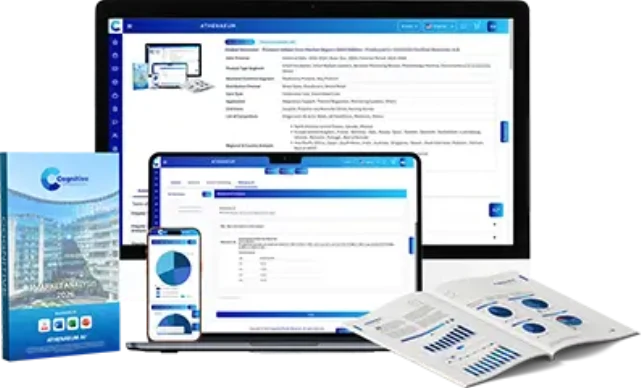
This is just a redacted sample pages of the actual deliverable report and only for representative purposes
Charts/Graphs/Numbers/data are only for Representative purposes and do not depict actual statistics.
The table of Contents differs according to the user License selection. Current Displayed TOC is for the Corporate User License Report Edition. TOC Customization options: Add or Remove section/s Or chapter/s from the report.
Specific Tables, Graphs, Sections, and Chapters can be ordered at a discounted price.
If applicable; On Request Volume Data will also be provided (at an Additional Cost).
Report Scope
Type
Pickup, Appointment, Deliver Goods, Others
Application
Town, Rural
Booking Medium
App, Web-based, Telephonic
List of Competitors
TaskRabbit, Caring Senior Service, Best Friend Errand, Errand Plus, Run Around Errand Service, Allow Me Errand Service, DaDa, Ipaotui, SF-Cityrush, Harmony Caregiving, Almost Anything Inc., Errand360, DoorDash Inc., Oak Business Consultant LLC, Uber Technologies Inc, NaborForce, Postmates, Instacart, Roadie
Chapter 1. Competitor Analysis (Subject to Data Availability (Private Players))
1.1 Top Competitors Analysis
1.1.1 Global Errand Service Market Analysis by Key Players
1.1.2 Segment Market Analysis by Key Players
1.1.3 Top Players Ranking 2024
1.1.4 New Product Launch Analysis
1.1.5 Industry Mergers and Acquisition Analysis
1.2 Company Profile (Data Subject to Availability) Sample Format
1.2.1 TaskRabbit
1.2.1.1 Company Basic Information, Manufacturing Base, Sales Area, and Competitors
1.2.1.2 Business Overview
1.2.1.3 Financials (Subject to data availability)
1.2.1.4 R&D Investment (Subject to data availability)
1.2.1.5 Product Types Specification
1.2.1.6 Business Strategy
1.2.1.7 Recent Developments
1.2.1.8 Management Change
1.2.1.9 S.W.O.T Analysis
1.2.2 Caring Senior Service
1.2.2.1 Company Basic Information, Manufacturing Base, Sales Area, and Competitors
1.2.2.2 Business Overview
1.2.2.3 Financials (Subject to data availability)
1.2.2.4 R&D Investment (Subject to data availability)
1.2.2.5 Product Types Specification
1.2.2.6 Business Strategy
1.2.2.7 Recent Developments
1.2.2.8 Management Change
1.2.2.9 S.W.O.T Analysis
1.2.3 Best Friend Errand
1.2.3.1 Company Basic Information, Manufacturing Base, Sales Area, and Competitors
1.2.3.2 Business Overview
1.2.3.3 Financials (Subject to data availability)
1.2.3.4 R&D Investment (Subject to data availability)
1.2.3.5 Product Types Specification
1.2.3.6 Business Strategy
1.2.3.7 Recent Developments
1.2.3.8 Management Change
1.2.3.9 S.W.O.T Analysis
1.2.4 Errand Plus
1.2.4.1 Company Basic Information, Manufacturing Base, Sales Area, and Competitors
1.2.4.2 Business Overview
1.2.4.3 Financials (Subject to data availability)
1.2.4.4 R&D Investment (Subject to data availability)
1.2.4.5 Product Types Specification
1.2.4.6 Business Strategy
1.2.4.7 Recent Developments
1.2.4.8 Management Change
1.2.4.9 S.W.O.T Analysis
1.2.5 Run Around Errand Service
1.2.5.1 Company Basic Information, Manufacturing Base, Sales Area, and Competitors
1.2.5.2 Business Overview
1.2.5.3 Financials (Subject to data availability)
1.2.5.4 R&D Investment (Subject to data availability)
1.2.5.5 Product Types Specification
1.2.5.6 Business Strategy
1.2.5.7 Recent Developments
1.2.5.8 Management Change
1.2.5.9 S.W.O.T Analysis
1.2.6 Allow Me Errand Service
1.2.6.1 Company Basic Information, Manufacturing Base, Sales Area, and Competitors
1.2.6.2 Business Overview
1.2.6.3 Financials (Subject to data availability)
1.2.6.4 R&D Investment (Subject to data availability)
1.2.6.5 Product Types Specification
1.2.6.6 Business Strategy
1.2.6.7 Recent Developments
1.2.6.8 Management Change
1.2.6.9 S.W.O.T Analysis
1.2.7 DaDa
1.2.7.1 Company Basic Information, Manufacturing Base, Sales Area, and Competitors
1.2.7.2 Business Overview
1.2.7.3 Financials (Subject to data availability)
1.2.7.4 R&D Investment (Subject to data availability)
1.2.7.5 Product Types Specification
1.2.7.6 Business Strategy
1.2.7.7 Recent Developments
1.2.7.8 Management Change
1.2.7.9 S.W.O.T Analysis
1.2.8 Ipaotui
1.2.8.1 Company Basic Information, Manufacturing Base, Sales Area, and Competitors
1.2.8.2 Business Overview
1.2.8.3 Financials (Subject to data availability)
1.2.8.4 R&D Investment (Subject to data availability)
1.2.8.5 Product Types Specification
1.2.8.6 Business Strategy
1.2.8.7 Recent Developments
1.2.8.8 Management Change
1.2.8.9 S.W.O.T Analysis
1.2.9 SF-Cityrush
1.2.9.1 Company Basic Information, Manufacturing Base, Sales Area, and Competitors
1.2.9.2 Business Overview
1.2.9.3 Financials (Subject to data availability)
1.2.9.4 R&D Investment (Subject to data availability)
1.2.9.5 Product Types Specification
1.2.9.6 Business Strategy
1.2.9.7 Recent Developments
1.2.9.8 Management Change
1.2.9.9 S.W.O.T Analysis
1.2.10 Harmony Caregiving
1.2.10.1 Company Basic Information, Manufacturing Base, Sales Area, and Competitors
1.2.10.2 Business Overview
1.2.10.3 Financials (Subject to data availability)
1.2.10.4 R&D Investment (Subject to data availability)
1.2.10.5 Product Types Specification
1.2.10.6 Business Strategy
1.2.10.7 Recent Developments
1.2.10.8 Management Change
1.2.10.9 S.W.O.T Analysis
1.2.11 Almost Anything Inc.
1.2.11.1 Company Basic Information, Manufacturing Base, Sales Area, and Competitors
1.2.11.2 Business Overview
1.2.11.3 Financials (Subject to data availability)
1.2.11.4 R&D Investment (Subject to data availability)
1.2.11.5 Product Types Specification
1.2.11.6 Business Strategy
1.2.11.7 Recent Developments
1.2.11.8 Management Change
1.2.11.9 S.W.O.T Analysis
1.2.12 Errand360
1.2.12.1 Company Basic Information, Manufacturing Base, Sales Area, and Competitors
1.2.12.2 Business Overview
1.2.12.3 Financials (Subject to data availability)
1.2.12.4 R&D Investment (Subject to data availability)
1.2.12.5 Product Types Specification
1.2.12.6 Business Strategy
1.2.12.7 Recent Developments
1.2.12.8 Management Change
1.2.12.9 S.W.O.T Analysis
1.2.13 DoorDash Inc.
1.2.13.1 Company Basic Information, Manufacturing Base, Sales Area, and Competitors
1.2.13.2 Business Overview
1.2.13.3 Financials (Subject to data availability)
1.2.13.4 R&D Investment (Subject to data availability)
1.2.13.5 Product Types Specification
1.2.13.6 Business Strategy
1.2.13.7 Recent Developments
1.2.13.8 Management Change
1.2.13.9 S.W.O.T Analysis
1.2.14 Oak Business Consultant LLC
1.2.14.1 Company Basic Information, Manufacturing Base, Sales Area, and Competitors
1.2.14.2 Business Overview
1.2.14.3 Financials (Subject to data availability)
1.2.14.4 R&D Investment (Subject to data availability)
1.2.14.5 Product Types Specification
1.2.14.6 Business Strategy
1.2.14.7 Recent Developments
1.2.14.8 Management Change
1.2.14.9 S.W.O.T Analysis
1.2.15 Uber Technologies Inc
1.2.15.1 Company Basic Information, Manufacturing Base, Sales Area, and Competitors
1.2.15.2 Business Overview
1.2.15.3 Financials (Subject to data availability)
1.2.15.4 R&D Investment (Subject to data availability)
1.2.15.5 Product Types Specification
1.2.15.6 Business Strategy
1.2.15.7 Recent Developments
1.2.15.8 Management Change
1.2.15.9 S.W.O.T Analysis
1.2.16 NaborForce
1.2.16.1 Company Basic Information, Manufacturing Base, Sales Area, and Competitors
1.2.16.2 Business Overview
1.2.16.3 Financials (Subject to data availability)
1.2.16.4 R&D Investment (Subject to data availability)
1.2.16.5 Product Types Specification
1.2.16.6 Business Strategy
1.2.16.7 Recent Developments
1.2.16.8 Management Change
1.2.16.9 S.W.O.T Analysis
1.2.17 Postmates
1.2.17.1 Company Basic Information, Manufacturing Base, Sales Area, and Competitors
1.2.17.2 Business Overview
1.2.17.3 Financials (Subject to data availability)
1.2.17.4 R&D Investment (Subject to data availability)
1.2.17.5 Product Types Specification
1.2.17.6 Business Strategy
1.2.17.7 Recent Developments
1.2.17.8 Management Change
1.2.17.9 S.W.O.T Analysis
1.2.18 Instacart
1.2.18.1 Company Basic Information, Manufacturing Base, Sales Area, and Competitors
1.2.18.2 Business Overview
1.2.18.3 Financials (Subject to data availability)
1.2.18.4 R&D Investment (Subject to data availability)
1.2.18.5 Product Types Specification
1.2.18.6 Business Strategy
1.2.18.7 Recent Developments
1.2.18.8 Management Change
1.2.18.9 S.W.O.T Analysis
1.2.19 Roadie
1.2.19.1 Company Basic Information, Manufacturing Base, Sales Area, and Competitors
1.2.19.2 Business Overview
1.2.19.3 Financials (Subject to data availability)
1.2.19.4 R&D Investment (Subject to data availability)
1.2.19.5 Product Types Specification
1.2.19.6 Business Strategy
1.2.19.7 Recent Developments
1.2.19.8 Management Change
1.2.19.9 S.W.O.T Analysis
Chapter 2. Global Errand Service Market Analysis
2.1 Global Errand Service Market Analysis
2.2 Global Errand Service Market Analysis by Region
2.3 Global Errand Service Market Analysis by Type
2.4 Global Errand Service Market Analysis by Application
2.5 Global Errand Service Market Analysis by Booking Medium
2.6 Global Errand Service Market Analysis by Key Players
Chapter 3. North America Errand Service Market Analysis
3.1 North America Errand Service Market Analysis
3.2 North America Errand Service Market Analysis by Country
3.3 North America Errand Service Market Analysis by Type
3.4 North America Errand Service Market Analysis by Application
3.5 North America Errand Service Market Analysis by Booking Medium
3.6 North America Errand Service Market Analysis by Key Players
Chapter 4. Europe Errand Service Market Analysis
4.1 Europe Errand Service Market Analysis
4.2 Europe Errand Service Market Analysis by Country
4.3 Europe Errand Service Market Analysis by Type
4.4 Europe Errand Service Market Analysis by Application
4.5 Europe Errand Service Market Analysis by Booking Medium
4.6 Europe Errand Service Market Analysis by Key Players
Chapter 5. Asia Pacific Errand Service Market Analysis
5.1 Asia Pacific Errand Service Market Analysis
5.2 Asia Pacific Errand Service Market Analysis by Country
5.3 Asia Pacific Errand Service Market Analysis by Type
5.4 Asia Pacific Errand Service Market Analysis by Application
5.5 Asia Pacific Errand Service Market Analysis by Booking Medium
5.6 Asia Pacific Errand Service Market Analysis by Key Players
Chapter 6. South America Errand Service Market Analysis
6.1 South America Errand Service Market Analysis
6.2 South America Errand Service Market Analysis by Country
6.3 South America Errand Service Market Analysis by Type
6.4 South America Errand Service Market Analysis by Application
6.5 South America Errand Service Market Analysis by Booking Medium
6.6 South America Errand Service Market Analysis by Key Players
Chapter 7. Middle East Errand Service Market Analysis
7.1 Middle East Errand Service Market Analysis
7.2 Middle East Errand Service Market Analysis by Country
7.3 Middle East Errand Service Market Analysis by Type
7.4 Middle East Errand Service Market Analysis by Application
7.5 Middle East Errand Service Market Analysis by Booking Medium
7.6 Middle East Errand Service Market Analysis by Key Players
Chapter 8. Africa Errand Service Market Analysis
8.1 Africa Errand Service Market Analysis
8.2 Africa Errand Service Market Analysis by Country
8.3 Africa Errand Service Market Analysis by Type
8.4 Africa Errand Service Market Analysis by Application
8.5 Africa Errand Service Market Analysis by Booking Medium
8.6 Africa Errand Service Market Analysis by Key Players
Chapter 9. Type Analysis
9.1 Pickup
9.1.1 Global Pickup Market
9.1.2 Global Pickup Market by Region
9.2 Appointment
9.2.1 Global Appointment Market
9.2.2 Global Appointment Market by Region
9.3 Deliver Goods
9.3.1 Global Deliver Goods Market
9.3.2 Global Deliver Goods Market by Region
9.4 Others
9.4.1 Global Others Market
9.4.2 Global Others Market by Region
Chapter 10. Application Analysis
10.1 Town
10.1.1 Global Town Market
10.1.2 Global Town Market by Region
10.2 Rural
10.2.1 Global Rural Market
10.2.2 Global Rural Market by Region
Chapter 11. Booking Medium Analysis
11.1 App
11.1.1 Global App Market
11.1.2 Global App Market by Region
11.2 Web-based
11.2.1 Global Web-based Market
11.2.2 Global Web-based Market by Region
11.3 Telephonic
11.3.1 Global Telephonic Market
11.3.2 Global Telephonic Market by Region
Chapter 12. Qualitative Analysis (Subject to Data Availability)
12.1 Market Drivers
12.2 Market Restraints
12.3 Market Trends
12.4 Market Opportunity
12.5 Technological Road Map (Subject to Data Availability)
12.6 Product Life Cycle (Subject to Data Availability)
12.7 Customer and Buyer Behavior Analysis
12.7.1 Digital Engagement, Customer Experience & Relationship Analysis
12.14.2 AI-Driven Transformation of Industry Value Chain
12.14.3 Evolution of Business Models & Revenue Streams
12.14.4 AI-Driven Product, Service & Innovation Transformation
12.14.5 Customer Behavior, AI Adoption & Future Market Evolution
Chapter 13. TOP 10 Country Analysis
13.1 Country 1
13.2 Country 2
13.3 Country 3
13.4 Country 4
13.5 Country 5
13.6 Country 6
13.7 Country 7
13.8 Country 8
13.9 Country 9
13.10 Country 10
Chapter 14. Research Findings
14.1 Key Takeaways
14.2 Analyst Point of View
14.3 Assumptions and Acronyms
Chapter 15. Research Methodology and Sources
15.1 Primary Data Collection
15.1.1 Steps for Primary Data Collection
15.1.1.1 Identification of KOL
15.1.2 Backward Integration
15.1.3 Forward Integration
15.1.4 How Primary Research Help Us
15.1.5 Modes of Primary Research
15.2 Secondary Research
15.2.1 How Secondary Research Help Us
15.2.2 Sources of Secondary Research
15.3 Data Validation
15.3.1 Data Triangulation
15.4 Data Representation
Athenaeum AI Dashboard
Research Framework · 70:30 Primary:Secondary
Our Proprietary Methodology
Cognitive Market Research and Consulting "The Full Truth" methodology — a rigorous triangulation process that combines primary research, secondary validation, and expert calibration. Implemented by Anushka Gore and team for the Errand Service Market Analysis Market analysis.
01
Primary Intelligence Gathering
Direct interviews with 50+ industry stakeholders including manufacturers, distributors, end-users, and regulatory bodies across all six regions.
02
Secondary Data Triangulation
Cross-referencing against trade databases, customs records, financial filings, patent databases, and verified industry publications.
03
Expert Validation Protocol
Each data point undergoes validation by minimum two independent domain experts with 15+ years of industry experience.
04
Athenaeum AI Processing
Our proprietary AI platform aggregates, normalizes, and identifies patterns across 10,000+ data points to surface non-obvious insights.
05
Editorial & QA Review
Final review by senior analysts ensures accuracy, coherence, and actionability of all insights and recommendations.
To maintain the integrity of our proprietary methodology and protect our elite expert network, specific source disclosures are reserved for full-access partners. Our research framework is anchored by a 70:30 primary-to-secondary ratio, ensuring your strategy is driven by real-time market intelligence rather than recycled, publicly available, or AI-generated data. Every deliverable includes an exhaustive source directory and grants direct analyst access.
Errand service providers recruit locally established and office-based errands for completing their work. It is utilized by individuals and business professionals for running errands like grocery shopping, pet sitting, etc. Errand services offer a versatile solution to individuals overwhelmed by their day-to-day responsibilities or facing mobility challenges.
The Three Pillars of End-to-End Market Research Services
We don't just hand over data. We partner with your team across three integrated service lines — each designed to give you decision-grade intelligence on the Errand Service Market Analysis market.
Service 01
Market Survey
B2BB2C
Structured primary research across both B2B and B2C channels. We design and execute custom surveys targeting manufacturers, distributors, procurement heads, and end-consumers in the errand service market analysis ecosystem — validated by our global panel of 10,000+ industrial respondents.
What's Included
Buyer intent & sentiment analysis
Purchase cycle mapping
Price sensitivity research
Channel preference profiling
Competitive perception study
Most Requested
Service 02
Customized Market Data & Reports
CustomReady Report
Choose from our ready-to-access 8th Edition report or commission a fully customized dataset tailored to your exact strategic questions. Cross-splits, custom geographies, proprietary segmentation — we build the intelligence asset your board actually needs.
What's Included
Ready syndicate report
Custom data scope & segmentation
Excel quantitative models
Board-ready PPT with key findings
Secure cloud portal access
Service 03
Strategic Consultation
With SurveyWith Report
Every survey and every report comes with dedicated analyst consultation. Our senior research team walks your leadership through findings, answers strategic questions in real-time, and helps translate data into your next board presentation or investment thesis.
Tell us the specific segments, regions, or companies you need — and we will tailor the deliverable to your requirements.
Why Trust Us
What these certifications mean to usA market figure is only as reliable as the system that produced it. That is why our accreditations cover the whole chain, not just the research step. ESOMAR and MRSI membership binds us to the professional codes that govern how respondents are recruited and how findings may be represented. ISO 20252 governs the research process itself; ISO 9001 and our quality control certification govern how consistently we repeat it. ISO 27001 and ISO 27701, alongside our GDPR, CCPA and DPDP compliance, govern what happens to your brief and your data once it reaches us; because a confidential scope is often more sensitive than the deliverable. ISO 14001, our D-U-N-S registration, Chamber of Commerce membership and DMCA protection speak to how the company itself is run and how its work is safeguarded.Our Clutch and Trustpilot profiles are deliberately listed next to them. They are the only signals on this page we do not issue ourselves, and they are the ones we would check first if we were you.
The global errand service market is on a firm growth path, set to more than triple in size from 2021 to 2033, driven by a global demand for convenience and time-saving solutions.
North America remains the largest market by revenue, but the Asia Pacific region is the engine of future growth, boasting the highest CAGR due to rapid economic development and digitalization.
Technology is the backbone of the modern errand service industry; success hinges on a provider's ability to leverage mobile apps, AI for logistics, and secure digital payment systems effectively.
In a competitive field, differentiation is key. Market leaders are achieving this by building strong brand trust and by developing specialized services for high-value niche segments like corporate clients and senior care.