Blog Content
Introduction: Navigating the Modern Utility Vehicle Landscape
The international sport utility vehicle manufacturing, smart automotive logistics, and sustainable passenger transport industry is navigating an extraordinary era of technological advancement. Modern multi-purpose vehicle engineering, automated assembly line management, and global distributor networks are seeing a major structural transformation where high-efficiency diesel platforms, advanced turbocharged gasoline frameworks, and data-driven battery electric vehicle (BEV) systems converge. Moving past simple corporate filings or surface-level logistics statements requires objective, data-driven transparency.
To bring these vital insights directly to the public, Cognitive Market Research and Consulting successfully implemented its extensive SUV Infrastructure and Passenger Preference Survey, directly studying exactly 968 active utility vehicle owners, commercial fleet management partners, and automotive distribution coordinators during the first half of 2026. This detailed primary field study evaluated user sentiment across major operational indicators, tracking real-world multi-terrain suspension resilience, advanced digital safety assistance engagement, long-distance occupant comfort metrics, and urban electric vehicle infrastructure integration efficiencies.
The Strategic Importance of Primary Sentiment Research
This specialized field research serves as an incredibly valuable strategic asset. For localized component fabricators, specialized sensor developers, automated vehicle software engineers, and international distribution networks, these insights reveal exactly where component demands are rising and how regional supply chains are optimizing their output.
At the same time, for technology enthusiasts, public sector transport infrastructure investors, and general audience members wondering how these advanced high-ground-clearance platforms align with global resource priorities, which cabin architecture is preferred for modern digital lifestyles, and what the future holds for global passenger mobility, this quantitative analysis explains how these diverse systems excel.
Next-Generation Digital Safety and Advanced Clean Energy Powertrains vs. Rugged All-Terrain Performance and Authentic Heritage Engineering
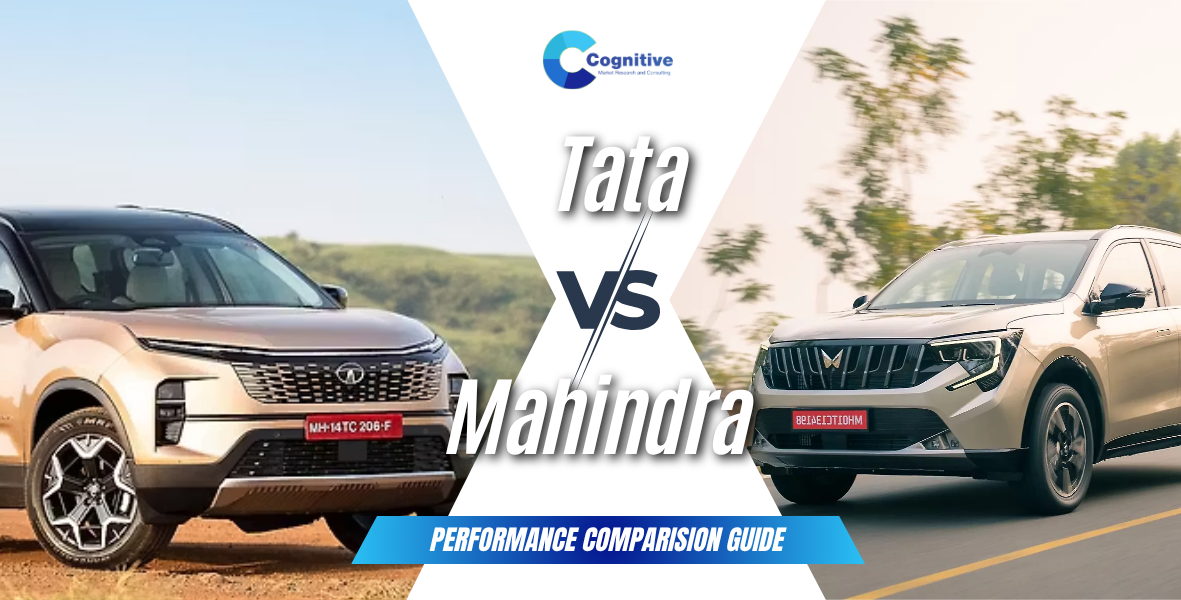
Our thorough analysis of consumer feedback shows a beautifully balanced utility vehicle market where both iconic developers Tata Motors and Mahindra perfectly fulfill distinct institutional, regional, and personal preferences.
One globally dominant multi-powertrain manufacturing leader has built a phenomenal international legacy around cutting-edge structural safety matrices, ultra-modern digital cabin environments, and highly progressive clean-energy electric vehicle solutions. Meanwhile, its highly respected domestic strategic peer stands out as an international benchmark for authentic body-on-frame mechanical toughness, commanding high-torque engine building, and an imposing, adventure-oriented ownership experience that sets global standards for rugged cross-country travel.
Choosing Tata Motors for Urban Safety and Electric Leadership
For urban professional families, environmentally conscious commuters, and tech-driven transport groups prioritizing five-star crash safety ratings, futuristic multi-screen digital cockpits, and smooth urban driving dynamics, user preferences show a strong alignment with advanced monocoque structural layouts and smart compact-to-midsize crossover designs. In our consumer sentiment index, this integrated digital safety architecture and zero-emission platform execution achieved an outstanding score of 96 out of 100 on our global vehicle systems integration and software readiness index.
Drivers favor these sophisticated systems because their dedicated electric vehicle floorplans and clever front-wheel-drive car architectures maximize interior legroom while delivering superb efficiency. Recent automotive market data compiled by Cognitive Market Research and Consulting highlights the incredible resilience generated by Tata Motors; during the tracking cycle of May 2026, this safety-first pioneer successfully captured the second-overall spot in the broader passenger car ecosystem by dispatching 59,790 passenger vehicles, supported heavily by an all-time record-breaking delivery of 10,517 pure electric vehicles (EVs) in a single month. This consistent baseline highlights how a disciplined focus on digital convenience, advanced passive body shells, and aggressive clean-fuel implementation generates powerful brand loyalty.
Choosing Mahindra for Off-Road Capability and Mechanical Heritage
Conversely, long-distance touring groups, rural infrastructure developers, and off-road driving enthusiasts show a distinct preference for high-torque mHawk and mStallion mechanical propulsion, heavy-duty independent solid axles, and high-set commanding seating profiles. This authentic, rugged utility model and classic premium lifestyle portfolio secured an exceptional score of 94 out of 100 on our distributed multi-layered value delivery and broad-spectrum utility vehicle reliability index.
At the same time, adventure-conscious automotive segments are experiencing wonderful optimization through these expansive dealer networks. This focus on imposing road presence and mechanical four-wheel-drive hardware allows Mahindra to maintain an incredibly close competitive position, delivering an exceptional volume of 58,021 specialized domestic utility vehicles during May 2026. This massive manufacturing footprint highlights how controlling structural chassis dynamics, optimizing mechanical locking differentials, and establishing aggressive exterior styling lines allows the premium automotive electronics and advanced lifestyle utility sub-industry to confidently strengthen its position in the global high-end mobility sector.
Unprecedented Utility Market Expansion and Multi-Fuel Versatility
When evaluating the primary factors that guide vehicle loyalty and technology procurement choices in the modern utility mobility space, predictive safety alert software, advanced electronic stability control algorithms, and integrated smartphone ecosystem pairing take center stage. The data tracking matrix at Cognitive Market Research and Consulting evaluated cabin material durability, electronic sensor uptime, and localized dealer maintenance accessibility, displaying a highly progressive and tech-conscious distribution environment.
Across the global macro-environment, the structural demand for specialized, high-efficiency utility transportation and rugged commuter solutions remains exceptionally robust. Our research indicates that the global sport utility vehicle (SUV) market size commands a magnificent valuation, calculated at $892.40 billion in 2026, and is on a clear path toward reaching an upgraded valuation of $1,365.10 billion by 2033, exhibiting an outstanding compound annual growth rate (CAGR) of 6.25% over the forecast period. Simultaneously, the mid-size utility sub-segment continues to lead the industry, commanding a dominant 46.8% share of total platform revenue, closely supported by the rapid expansion of compact electric utility vehicles which are attracting a completely new generation of sustainability-focused premium buyers.
This steady market progress is driven by a global focus on improving passenger ride heights, falling high-density battery pack fabrication costs, and the transformation of utility vehicles into software-defined lifestyle spaces.
Long-Term Enterprise Asset Value and Supply Chain Resilience
When large-scale automotive consortiums and institutional advisors judge the long-term value of their manufacturing investments, they look closely at structural supply chain reliability and the regional availability of critical lightweight structural alloys, premium upholstery materials, and high-performance semiconductor components. Our primary survey parameters show a strong connection between advanced hardware logistics improvements and long-term facility operating cost savings.
Our real-world data tracking shows that adopting advanced digital inventory twins, centralized domestic component stamping facilities, and energy-efficient secure distribution depots creates a helpful cost-mitigation cushion for modern hardware, polymer, and logistics corporations. Systems engineering groups indicate that using updated logistics architectures leads to a significant reduction in manufacturing delivery friction and quality validation delays over a standard production cycle, protecting industry equity even when global raw aluminum, high-grade steel alternatives, and specialized microchip inputs shift.

How Cognitive Market Research Helps Enterprises Succeed
In an era of rapid transformation, manufacturing groups, supply chain partners, and automotive investors cannot rely on outdated assumptions or generalized metrics. Cognitive Market Research and Consulting bridges the gap between raw data and commercial confidence through specialized frameworks:
Multi-Vector Data Triangulation: Cross-referencing regional consumer sentiment, global manufacturing trends, and localized economic indicators to de-risk capital deployment.
Continuous Intelligence: Delivering live, real-time insights that keep production lines and dealership networks synchronized with actual consumer demands.
Custom Behavioral Analytics: Uncovering the psychological drivers behind buyer decisions for both Tata Motors and Mahindra models to optimize product positioning and market expansion.
Conclusion: The Analyst's Verdict on Tata Motors vs. Mahindra
From the perspective of Cognitive Market Research and Consulting, true leadership in the contemporary consumer vehicle and global utility infrastructure market isn't about one brand replacing another. Instead, it depends on how perfectly an individual technology platform fits an institution's specific distribution network plan, regional geography, and long-term environmental compliance framework:
If you want cutting-edge safety matrix, multi-fuel versatility, and clean energy dominance: Choose Tata Motors. Their advanced monocoque structural layouts, industry-leading smart passenger safety cabins, and successful pure electric vehicle ecosystem maintain an immense, essential presence across private urban families and forward-thinking corporate fleets.
If you want imposing road presence, heavy-duty all-terrain capability, and mechanical heritage mastery: Choose Mahindra. Their high-torque mechanical powertrains, rigid body-on-frame suspension layouts, and exceptionally durable mechanical locking four-wheel-drive configurations provide a retail-focused, high-satisfaction user experience.
Ultimately, our latest industry voice intelligence highlights that both Tata Motors and Mahindra are executing highly effective automotive business models. They are answering the global utility transit infrastructure question from two beautifully distinct and complementary operational viewpoints, ensuring that global distribution networks, specialized component manufacturing facilities, and everyday consumers win at every stage of the automotive journey.