Blog Content
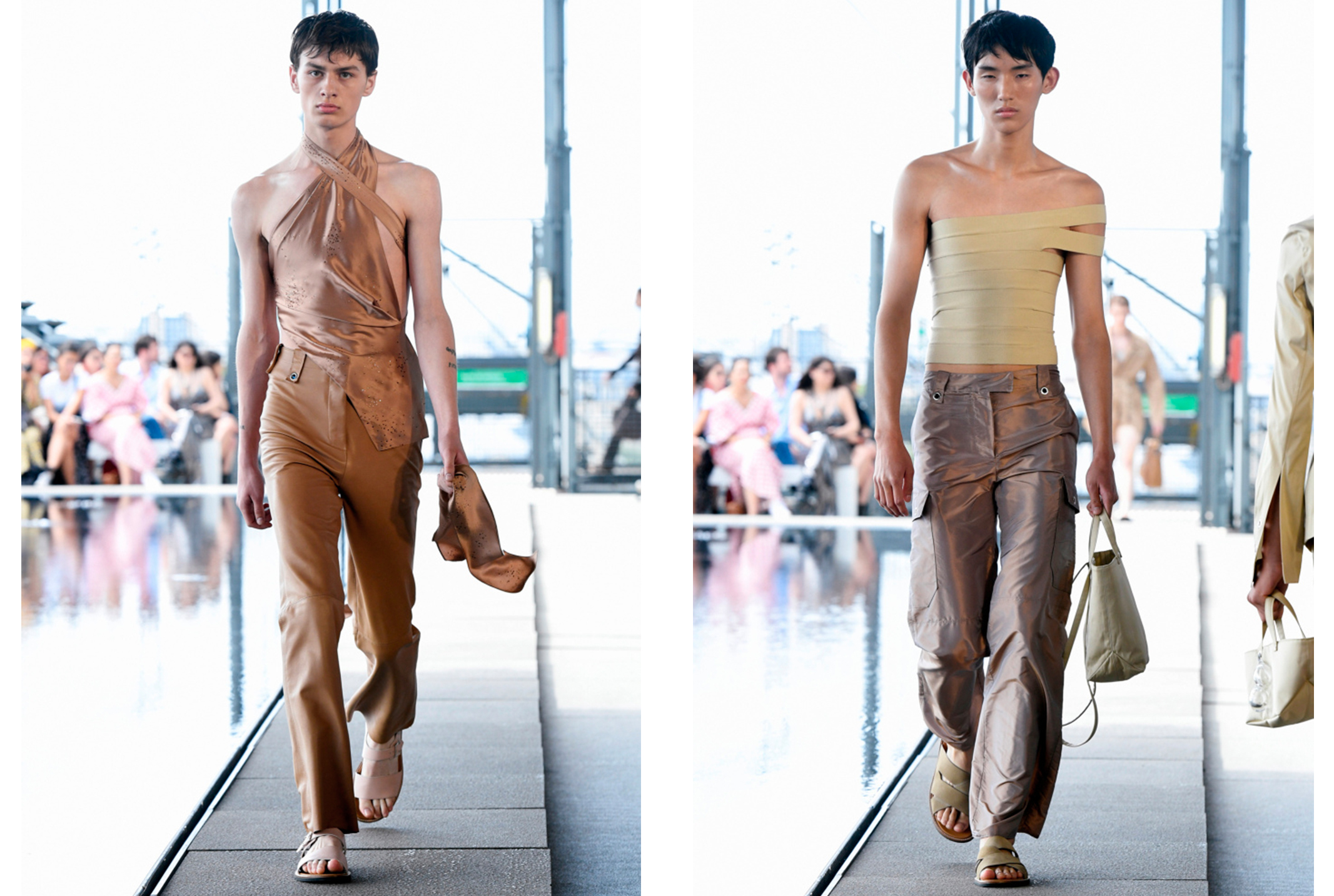
Genderless fashion has served as a strategic front for major apparel brands, retailers, and influential clients. The fashion industry has successfully bridged the gap between designers and the masses, encouraging people to experiment and redefine their personal style.
Tracing the Evolution of Genderless Fashion
The term "unisex" was first introduced in 1968 in Life, an American magazine that ran from 1883 to 1972. Historically, Western society perceived men as active and women as passive, a notion reflected in 19th-century fashion. Women gravitated towards elaborate and restrictive clothing, limiting their mobility, while men wore simpler, more functional garments that allowed for greater freedom. However, the 1960s marked a turning point, with gender-neutral fashion gaining popularity, especially among the youth. This movement emphasized the idea that choosing one’s clothing is an act of self-expression rather than a societal obligation.
Market Trends and Growth
The global unisex clothing market is projected to grow at a CAGR of 4.5%, reaching an estimated USD 3.2 billion by 2030. Over the past few decades, fashion brands have embraced gender-fluid collections to cater to consumer demand. In 2019, Phluid Project founder Rob Smith noted that 56% of Gen Z consumers shopped beyond traditionally gendered sections, reinforcing the idea that genderless fashion is not just a passing trend but a major force in the industry’s future.
Challenging Misconceptions About Genderless Fashion
Fashion has long been divided into menswear and womenswear, reinforcing traditional gender norms. However, younger generations are moving away from these rigid categories, expressing themselves through clothing without societal constraints. Despite this shift, patriarchal structures still shape fashion, perpetuating notions such as "dresses and makeup for women" and "suits for men." While progress is being made, the fashion industry has been slow in fully dismantling these outdated perceptions.
It is also important to distinguish between unisex and gender-neutral fashion. Unisex fashion aims to cater equally to both men and women, while gender-neutral fashion is truly inclusive, embracing all identities beyond the binary.
Breaking Free from Gender-Specific Norms
The younger generation is actively challenging traditional gender norms associated with clothing. With Gen Z emerging as a major driver of the fashion industry, there is a growing emphasis on gender identity and self-expression. Androgyny is becoming more prevalent, reshaping fashion into an inclusive space where personal choice takes precedence over societal expectations. Major brands are adapting by offering clothing lines that prioritize self-expression and individuality over predefined gender labels.
As we witness more than half of Gen Z consumers shopping beyond gendered sections, the world is shifting towards a more open and inclusive perspective on fashion. The patriarchal mindset that has long dictated clothing choices is slowly being dismantled.
It’s time to move beyond gender-segregated fashion and embrace clothing as a form of self-expression and freedom of choice. Let’s discard labels and see fashion not as a set of rules but as a canvas to express who we truly are.
