Blog Content
From Entrance Chocolates to the Checkout Line: How DMart Decodes Consumer Behaviour to Help You Save Dynamic Households
Introduction
Think about your last weekend visit to a massive DMart store. You probably walked through the doors with a very clear, responsible plan: stick to your grocery list, grab some basic monthly essentials, and head straight out. Yet, as you finally pushed your shopping cart toward the billing counter, you noticed something fascinating. Sitting right there in your basket was a colorful assortment of snacks, a few unexpected treats, and extra household items you didn't even realize you needed until you crossed the entrance.
How does this happen so beautifully, time and time again? Why does stepping into a hypermarket instantly put us in the mood to shop?
The answer doesn't lie in a lack of planning on your part—it is the result of brilliant retail harmony. Value-driven hypermarkets are masterfully designed spaces where customer convenience and human behavior work hand in hand. From the very first shelf of tempting chocolates placed intentionally at the entrance to the layout of the walkways, every square foot is optimized to create an enjoyable, stress-free shopping journey. By evaluating these physical spaces through specialized market insights, we can pull back the curtain on how great retail spaces align with our natural routines, providing unmatched family utility while paving the way for smooth end to end solutions in consumer distribution.
Why It Matters
For everyday shoppers, understanding how these welcoming retail layouts are constructed brings fantastic clarity to your weekly routines. When you recognize the friendly design strategies behind the store floor, you can navigate the space like a seasoned pro, optimize your family budget, and take full advantage of great value without any added stress.
For consumer goods manufacturers, corporate retail operators, and brand managers, this layout strategy is a blueprint for commercial success. The way a store positions its products directly determines its inventory velocity and long-term business health. In an evolving retail ecosystem, aligning your product placement with a hypermarket's customer-first design is the ultimate strategy to ensure consistent product movement, minimize operational friction, and maintain a highly successful compound annual growth rate (CAGR). Through professional cognitive market research and consultation frameworks, companies can mirror these retail triumphs to build deeper connections with their end-consumers.
5 Main Insights into Hypermarket Consumer Design
1. The Welcome Mat of Treats: Designing for the Little Shoppers
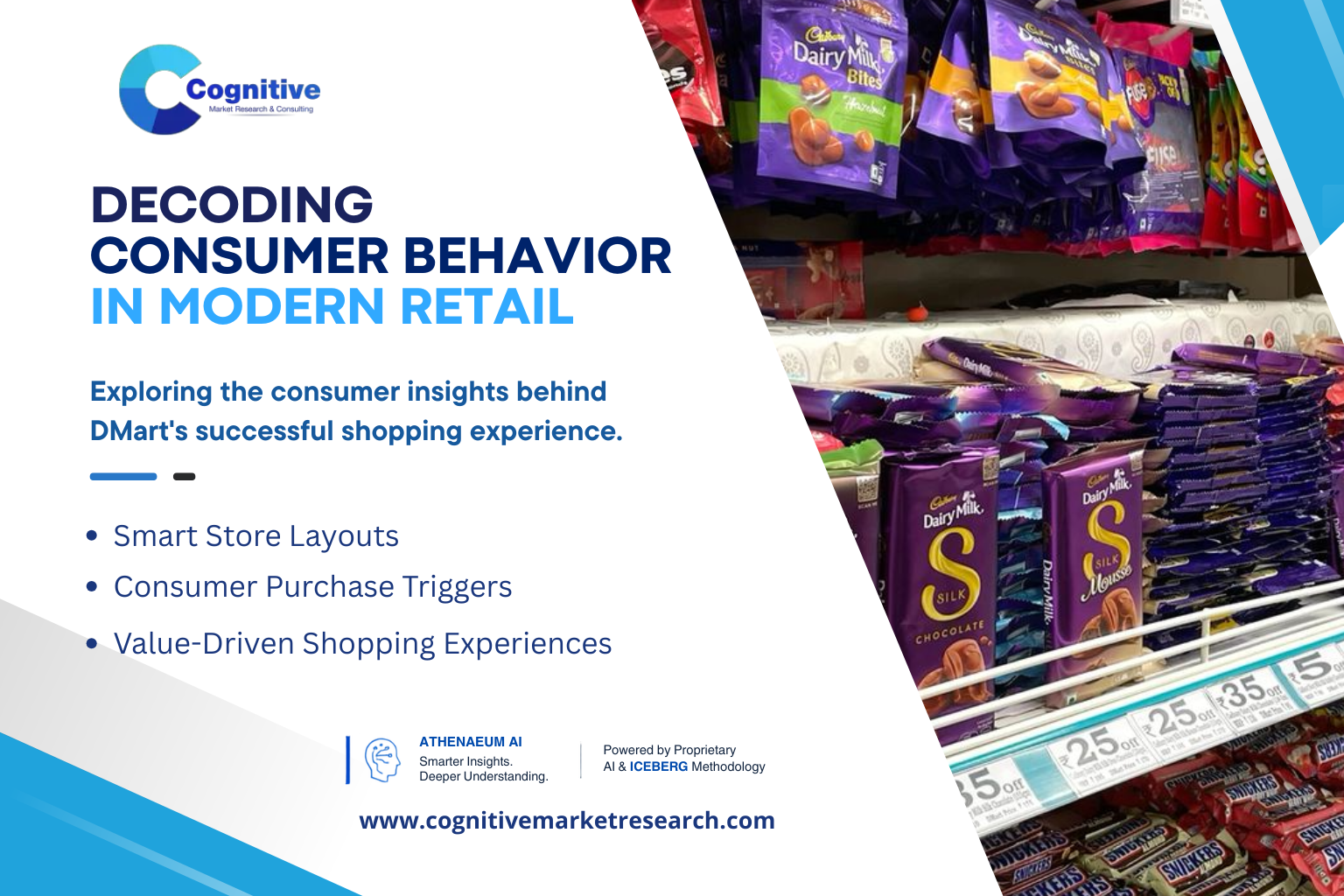
The moment you step past the entrance gates of a premier hypermarket, your eyes are greeted by bright, vibrant stacks of chocolates, biscuits, and multi-pack snacks. This is an incredibly smart, welcoming strategy. Retailers intentionally position these delightful items right at the starting line, often placing them at lower heights that perfectly match a child's natural line of sight. By engaging younger family members right away with their favorite snacks, the hypermarket creates an exciting, positive atmosphere for the kids. This thoughtful setup turns a standard grocery errand into an enjoyable family outing where parents can shop comfortably while children stay happy and occupied.
2. The One-Stop Shop Superpower: Maximum Variety Under One Roof
One of the primary reasons we enthusiastically choose a hypermarket over a traditional, single-room store is the sheer convenience of the "one-stop shop" experience. Whether you need fresh groceries, school stationery, apparel, home kitchenware, or festive gifts, everything is gathered under a single roof. This intense consolidation of products saves households immense time, energy, and travel costs. From a consumer psychology standpoint, finding everything in one place puts our minds at ease. Because we feel we have saved valuable hours by avoiding multiple trips across town, our mental comfort levels increase, making us much more open to exploring new product categories and adding helpful, secondary household items to our carts.
3. Seamless Discovery via Interconnected Rows
Traditional retail stores often feature closed layouts or rigid barriers that block a shopper’s view, but modern hypermarkets utilize a fluid, interconnected row design. Every single aisle is woven seamlessly into the next, allowing your shopping cart to glide effortlessly from household cleaners straight into the personal care section. This open floor plan eliminates physical walking barriers, creating a natural traffic flow that lets you browse the store without feeling trapped or restricted. As you move along these continuous paths, your eyes naturally discover useful items you might have forgotten to write down, ensuring your home is always fully stocked with the essentials.
4. The Bulk Procurement Advantage: Passing the Savings to the Customer
scale. Because these large-scale retailers purchase massive quantities of inventory directly from primary manufacturers, they completely bypass expensive wholesale middlemen and distribution markups. This direct sourcing strategy allows the store to secure deep product discounts that a small, independent shop simply cannot access. The best part? The hypermarket proudly passes these massive savings straight down to the everyday consumer in the form of year-round discounts and value-packs. This creates a wonderful win-win scenario: families can stretch their monthly budgets further, while manufacturers enjoy massive, highly predictable sales volumes
5. Optimizing the Checkout Lane for Gentle Reminders
The billing counter line is the final chapter of the hypermarket shopping experience. While you wait comfortably for your items to be scanned, the store layout offers a final row of small, highly practical items—such as batteries, mints, pocket tissues, lip balms, and small toys. This isn't an accidental cluttering of the counter; it is a helpful structural reminder. At the end of a long shopping trip, a consumer’s mind is relaxed and satisfied. Placing these inexpensive, universally useful items right at arm's reach serves as a convenient checklist for tiny household necessities you usually forget to buy, making the very last step of your journey incredibly productive.
Cognitive Market Research and Consultation's Expert Perspective
From an analytical research lens, the overwhelming success of premier hypermarket chains proves that retail growth happens when a company stops guessing and starts listening to real human data. Exceptional businesses do not view a storefront as a static warehouse; they treat it as a dynamic, living ecosystem designed to support and elevate everyday family lifestyles.
By regularly utilizing comprehensive market metrics, such as the extensive consumer data housed within a validated Market Surveys Athenaeum ai , market leaders can track shifting household buying personas and design floor plans that naturally adapt to local community needs. Navigating the competitive world of modern retail requires moving away from historical industry assumptions and embracing real-world consumer intelligence through dedicated cognitive.consultation programs.
Key Analytical Pro-Tip: The most successful retail layouts are those that prioritize customer comfort. When a hypermarket uses smart spatial design to make interconnected rows feel spacious and direct sourcing to make prices affordable, it creates a sustainable cycle of consumer trust and long-term brand loyalty.
Practical Takeaways
For Brand Manufacturers and Retail Operators:
- Align with Family Flow: Position child-friendly or high-impulse products near the front end-caps to capture maximum visibility when families are at their highest energy levels.
- Invest in Direct Sourcing Lines: Build comprehensive end to end solutions that connect factory floors directly to large hypermarket supply chains, reducing overhead costs and securing prime shelf placement.
- Utilize Predictive Analytics: Leverage smart consumer tools like athenium ai to monitor neighborhood demand shifts, ensuring your store shelves are always stocked with the exact value-packs local shoppers prefer.
For Everyday Consumers:
- Embrace the One-Stop Convenience: Save time and fuel by consolidating your diverse shopping needs into a single, comprehensive hypermarket run each month.
- Scan the Connected Rows Wisely: Take advantage of the open aisle design to compare prices across different product segments, ensuring you find the absolute best value for your household.
Future Outlook
As we look toward the future of the global shopping landscape, the line between physical store floors and digital convenience is blending more smoothly than ever before. The next generation of value-focused hypermarkets will feature intelligent shopping systems that sync directly with your family’s smartphone app, offering personalized, helpful discounts on your favorite snacks the exact moment you walk past the entrance display.
The future belong to retail pioneers who use continuous machine learning to ensure that physical stores remain warm, inviting, and highly cost-effective spaces. By keeping their shelves deeply aligned with hyper-local neighborhood preferences, elite hypermarkets will continue to serve as the reliable backbone of the modern household economy.
Conclusion
Ultimately, the magic of a great hypermarket run isn't a secret—it is the beautiful result of client-focused store design and smart behavioral science working in perfect synchronization. By placing welcoming treats at the entrance, opening up rows for easy walking, offering unbeatable values through bulk sourcing, and using data to keep shelves organized, hypermarkets transform a routine household chore into a joyful, budget-friendly experience.
Turn away from the high corporate costs of market guesswork. Base your next product launch, retail display update, or commercial distribution strategy on verified data clarity. When you listen to the true voice of the consumer market, you build a retail environment that rewards your business while bringing incredible, daily value to families around the world.
About Cognitive Market Research & Consulting
Cognitive Market Research & Consulting is a premier global advisory firm trusted by top-tier retail networks, consumer conglomerates, and enterprise brands worldwide. By pairing deep human industry expertise with automated tracking networks and predictive data modeling, we turn messy consumer insights into clear corporate solutions. Our consulting services empower global brands to de-risk investments, master physical and digital positioning, and capture sustainable long-term growth.
-
Why do hypermarkets put chocolates and kid-friendly snacks right at the front entrance?
Placing colorful treats near the entry gates immediately engages children and sets a positive, high-energy tone for the entire family trip. It keeps younger shoppers happy and occupied, allowing parents to browse the rest of the store comfortably.
-
How do interconnected rows benefit the everyday shopper?
Interconnected rows remove rigid walls and physical barriers, creating a smooth, fluid walking path. This open architecture makes pushing a cart stress-free and allows you to easily discover secondary household essentials you might have forgotten to buy.
-
How do large retail chains manage to offer much lower prices than small local stores?
Hypermarkets procure their inventory in massive bulk quantities directly from primary manufacturers. By cutting out wholesale middlemen and reducing supply chain markups, they secure major cost reductions and pass those savings directly to the consumer.
-
What makes a one-stop shop layout so attractive to consumers?
A one-stop store gathers thousands of diverse items—from groceries to clothing and household electronics—under a single roof. This unmatched convenience saves families considerable travel time and energy, making their weekly shopping routines incredibly efficient.