Article
sustainable aviation fuel Introduction of Jet Fuel Oil Market/Industry:carbon-neutral
The jet fuel oil market is poised for substantial growth, driven by the global surge in air travel, increasing fleet sizes, and the rising demand for energy-efficient aviation solutions. Valued at USD 11,524.6 million in 2024, the market is projected to grow at a robust CAGR of 14.6%, reaching USD 34,284.9 million by 2032, according to Cognitive Market Research. Jet fuel oil, a critical component of aviation operations, powers commercial airliners, military aircraft, and general aviation fleets. Market expansion is underpinned by factors such as increasing disposable incomes, the proliferation of low-cost carriers, and greater connectivity in emerging markets. The shift toward sustainable aviation fuel (SAF) and the adoption of energy-efficient technologies are reshaping the market, as the industry strives to meet environmental regulations and achieve carbon-neutral goals. Leading companies like Exxon Mobil Corporation, BP plc, Shell plc, Chevron Corporation, and TotalEnergies SE are investing heavily in R&D to develop innovative fuel formulations that enhance efficiency, reduce emissions, and comply with global sustainability targets. Additionally, the Asia-Pacific region, particularly countries like China and India, represents a critical growth hub due to expanding aviation infrastructure and increasing passenger traffic. The integration of advanced refining processes and the development of bio-based jet fuels further highlight the market’s commitment to innovation and environmental stewardship. As airlines modernize their fleets and governments enforce stricter environmental standards, the demand for advanced jet fuel oil will continue to grow, ensuring the industry's sustainable and efficient development.
Top Companies Operating in the Aircraft Brake System Industry Worldwide
- Exxon Mobil Corporation
- BP plc
- Shell plc
- Chevron Corporation
- TotalEnergies SE
- Gazprom Neft PJSC
- Indian Oil Corporation
- Bharat Petroleum Corp. Ltd.
- Honeywell International Inc.
- Qatar Jet Fuel Company
- Neste Oyj
- World Fuel Services Corp.
- Rosneft Deutschland GmbH
- Sinopec Corp.
- Oman Oil Company SAOC
Criteria for Comparing Companies in the Jet Fuel Oil Market:
Cognitive Market Research evaluates companies in the jet fuel oil market based on several critical factors that highlight their competitive positioning and overall performance in the industry. Revenue and market share are fundamental indicators of a company’s financial stability and leadership within the market. Strong revenue figures often reflect a high demand for the company’s jet fuel products, underscoring its ability to secure customer loyalty and establish a dominant market presence. Another key aspect of comparison is the product portfolio, which includes a range of offerings such as traditional jet fuel, sustainable aviation fuel (SAF), and bio-based alternatives. By analyzing the specific attributes of these products, such as energy efficiency, emissions reduction, and compliance with environmental regulations, we can assess companies’ abilities to meet evolving industry demands and align with global sustainability goals. Technological innovation is a critical criterion, highlighting a company's ability to pioneer advanced refining techniques and develop cleaner, more efficient jet fuel formulations. Companies investing in cutting-edge technologies, such as SAF production methods or carbon capture processes, position themselves as leaders in innovation. Global presence is another crucial parameter, as it reflects a company’s ability to cater to diverse regional markets, including established hubs like North America and Europe and rapidly growing aviation sectors in Asia-Pacific and the Middle East. The level of investment in research and development (R&D) further showcases a company’s commitment to innovation and its capacity to remain competitive in a dynamic market landscape. Additionally, strategic partnerships and collaborations with airlines, aviation authorities, and sustainability organizations are essential for expanding market reach and driving adoption of environmentally friendly jet fuels. Analyzing companies through these lenses provides a comprehensive understanding of their strengths, competitive advantages, and growth potential in the rapidly evolving jet fuel oil market.
Top Manufacturing Companies of Jet Fuel Oil:
Honeywell International Inc., Siemens AG, ABB Ltd., Emerson Electric Co., and STMicroelectronics N.V. are the key players in the Jet Fuel Oil Market
Exxon Mobil Corporation
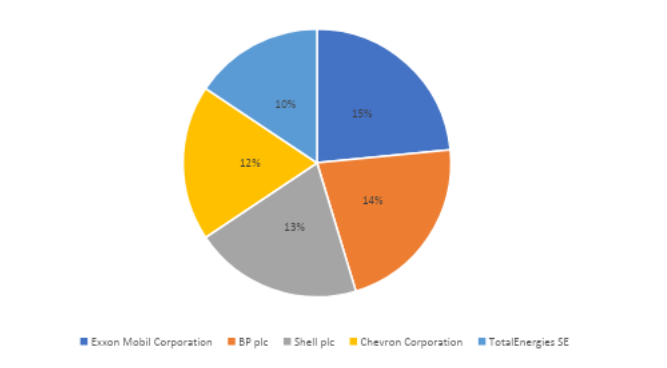
Exxon Mobil Corporation is a leading player in the jet fuel oil market, renowned for its global reach and comprehensive portfolio of high-performance aviation fuels. In 2023, Exxon Mobil reported total revenue of USD 413.7 billion, with USD 9.8 billion generated from the jet fuel oil segment, capturing an 8.5% market share. The company’s strength lies in its extensive refining capacity, efficient supply chain management, and focus on sustainable aviation fuel (SAF) development.
BP plc
BP plc is a prominent player in the jet fuel oil market, leveraging its vast global operations and commitment to sustainability. In 2023, BP reported total revenue of USD 241.4 billion, with USD 7.4 billion attributed to its jet fuel oil business, accounting for a 6.5% market share. The company has a well-established network of refineries and distribution centers, ensuring reliable supply to major airports worldwide. BP’s innovative product portfolio includes conventional jet fuels and sustainable aviation fuel (SAF) solutions, aimed at reducing carbon emissions.
Shell plc
Shell plc is a global leader in the jet fuel oil market, known for its innovative solutions and extensive supply chain. In 2023, the company generated USD 360.8 billion in total revenue, with USD 8.7 billion derived from the jet fuel oil segment, representing a 7.5% market share. Shell operates a vast network of refineries and fuel terminals, supplying aviation fuel to over 800 airports worldwide. The company’s cutting-edge technologies enable the production of high-quality jet fuels that meet stringent safety and environmental standards.
Chevron Corporation
Chevron Corporation is a major player in the jet fuel oil market, leveraging its strong refining capabilities and commitment to sustainable practices. In 2023, Chevron reported total revenue of USD 246.3 billion, with USD 6.9 billion attributed to its jet fuel oil business, capturing a 6% market share. The company operates an extensive network of refineries, pipelines, and terminals, ensuring a steady supply of high-quality jet fuel to major airports worldwide.
TotalEnergies SE
TotalEnergies SE is a leading provider of jet fuel oil, known for its commitment to innovation and sustainability. In 2023, TotalEnergies reported total revenue of USD 268.8 billion, with USD 7.1 billion generated from the jet fuel oil segment, representing a 6.3% market share. The company operates a robust global network of refineries and distribution facilities, supplying aviation fuels to over 700 airports worldwide. TotalEnergies is heavily invested in sustainable aviation fuel (SAF) development, focusing on advanced biofuels and synthetic fuels produced using renewable energy.

Potential Threats to Top Five Players in the Jet Fuel Oil Market:
CMR found emerging players in the jet fuel oil market, including Indian Oil Corporation, Bharat Petroleum Corp. Ltd., Honeywell International Inc., Qatar Jet Fuel Company, and Neste Oyj, are positioning themselves as formidable challengers to established giants such as Exxon Mobil, BP, Shell, Chevron, and TotalEnergies. Indian Oil Corporation and Bharat Petroleum, both headquartered in India, are leveraging their expansive refining capabilities and strong regional networks to capture market share. Indian Oil’s investments in biofuel production and sustainable aviation fuel (SAF) initiatives align with global environmental goals, while Bharat Petroleum’s focus on operational efficiency and strategic pricing strengthens its competitiveness in South Asia. Meanwhile, Qatar Jet Fuel Company (Q-Jet) benefits from its location in the Middle East’s aviation hub and partnerships with leading Gulf carriers, giving it an edge in one of the world’s fastest-growing aviation regions. These companies are capitalizing on innovation, regional dominance, and growing global demand for cleaner fuel alternatives. Neste Oyj and Honeywell International Inc. are emerging as key players in the sustainable aviation fuel segment, a critical area of growth in the jet fuel oil market. Neste, based in Finland, leads in SAF production using waste materials like animal fat and used cooking oil, with plans to expand its production capacity significantly by 2025. Its innovative approach to reducing greenhouse gas emissions has made it a preferred SAF supplier for major airlines worldwide. Honeywell, with its UOP Ecofining™ process, has introduced renewable fuel solutions alongside its expertise in aerospace technologies, integrating digital tools to optimize fuel supply chains. These players are reshaping the market landscape by prioritizing sustainability, innovation, and strategic global partnerships, making them significant threats to traditional market leaders.
Conclusion
Emphasizing R&D and Expanding Product Portfolios to Drive Growth in the Jet Fuel Oil Market
The Jet Fuel Oil market is on a strong growth trajectory, driven by the increasing demand for more sustainable and efficient fuel solutions in the aviation industry. Established players such as Exxon Mobil, BP, Shell, Chevron, and TotalEnergies continue to dominate the market with extensive infrastructure, strong global presence, and ongoing investments in R&D. These companies are at the forefront of developing cutting-edge jet fuel technologies, including the expansion of SAF production and integration of green fuels into traditional aviation fuel supply chains, ensuring their position as market leaders. However, the market is also witnessing an increase in competition from emerging companies that are capitalizing on niche market opportunities. Players like Indian Oil Corporation, Bharat Petroleum, Honeywell International, Qatar Jet Fuel Company, and Neste Oyj are becoming key competitors, driven by their focus on biofuels, alternative jet fuel solutions, and technological innovations. These companies are not only developing new fuel technologies but are also forming strategic partnerships with airlines and refining companies to expand their market share. The Jet Fuel Oil market is likely to become more fragmented, with a mix of consolidation at the top and emerging players focusing on sustainable alternatives and regional expansion. Companies that can successfully balance innovation with cost-effectiveness and sustainability will be best positioned for success in this dynamic and rapidly evolving market.

 X
X
Article Details
-
Author Anushka Gore
-
Published 25 Dec 2024
-
Last Updated 16 Jun 2025
-
Reading Time~3 minutes
Related Reports
Get a Custom Report
Interested in a similar analysis for your market? Our experts can deliver a customized report.
Contact Our ExpertsMore Articles
Explore all published articles across 30+ industry verticals.
View All Articles