Article
Cultivating Tomorrow: The Intersection of Sustainable Agriculture and Food Safety
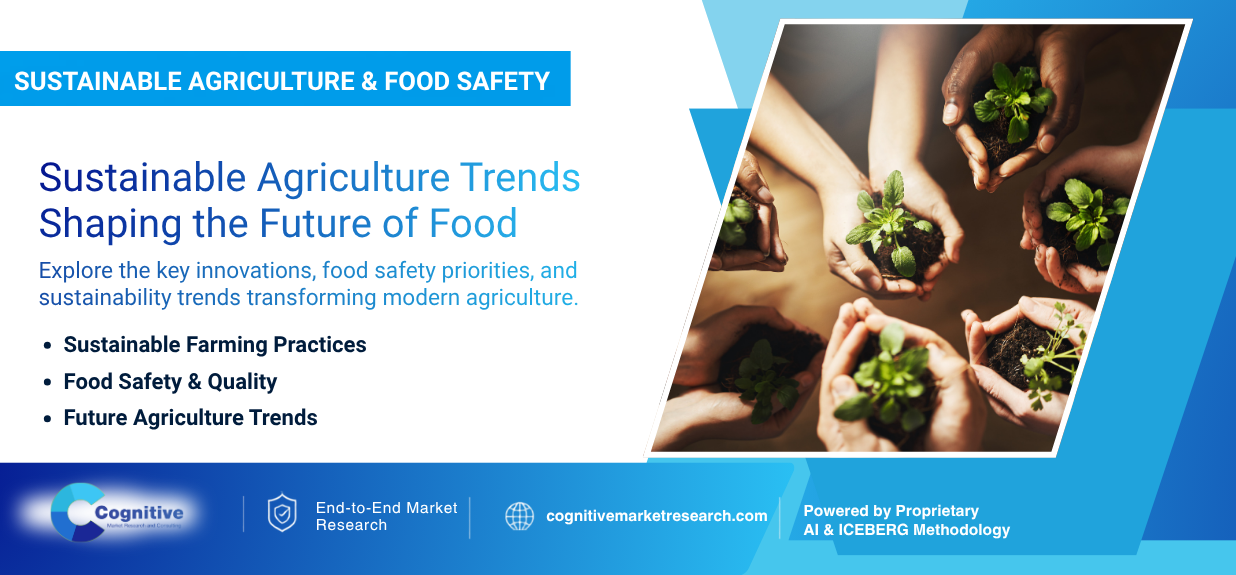
In an era defined by rapid population growth, climate volatility, and shifting consumer preferences, the global food system stands at a critical crossroads. Operating on generalized agricultural assumptions is a risk no enterprise or modern community can afford. At the heart of this global evolution lies a profound truth: sustainable agriculture and food safety are not isolated concepts; they are deeply interconnected pillars that determine the health of our planet and the security of every meal on our tables.
Whether you are an enterprise manufacturer looking to optimize your supply chain or an everyday shopper seeking clarity on your dietary choices, understanding how food moves from seed to shelf is essential. This article explores the dynamic trends shaping the future of farming, highlights industry pioneers, and demonstrates how data-backed intelligence drives sustainable abundance.
1. Understanding the Core Nexus: Why Sustainable Agriculture Matters Today
For decades, traditional farming prioritized short-term yield maximization often at the expense of long-term ecological balance. Today, however, the paradigm has shifted toward regenerative practices and robust environmental stewardship.
Balancing Environmental Stewardship with Unrelenting Global Demand
According to the United Nations, global population levels continue to climb toward projected mid-century milestones, increasing the demand for high-quality food. Simultaneously, arable land faces pressures from urban expansion, erosion, and changing weather patterns. Sustainable agriculture and food safety initiatives provide the necessary framework to reverse these trends. By integrating soil health management, minimal tillage, and cover cropping, producers can protect natural resources while boosting resilience against climate shocks.
The Technological Evolution of Modern Farming
Modern farming bears little resemblance to the manual labor of the past. It is now a high-tech, data-driven bio-economy powered by advanced agronomic science.
Precision Breeding, Biologicals, and Reduced Chemical Footprints
Innovation in crop protection has evolved significantly. Modern farmers utilize precision seed technologies, digital agronomy tools, and biological inputs, such as natural prebiotics and organic trace minerals to safeguard crops against pests and diseases. These innovations ensure that chemical residues are minimized, directly protecting groundwater quality and safeguarding consumer health long before harvest.
2. Industry Leadership in Action: Spotlight on Corteva Agriscience
Achieving a sustainable global food supply requires bold vision and rigorous execution from industry leaders. A prime example of this commitment is Corteva Agriscience, a global pure-play agriculture company dedicated to enriching the lives of producers and consumers alike.
From Soil Health to Safe Harvest: Pioneering the Future of Food
Corteva Agriscience combines industry-leading innovation, high-touch customer engagement, and strict product stewardship to address the world’s most pressing agricultural challenges. Through comprehensive safety testing—often spanning over a decade for new seed traits and crop protection solutions, the company ensures that every innovation meets rigorous regulatory standards set by agencies like the U.S. EPA. Their strategic focus on sustainable innovation, biodiversity, and climate reduction targets illustrates how corporate responsibility directly reinforces sustainable agriculture and food safety on a global scale.
3. Consumer Empowerment: What Safe and Sustainable Food Means for Your Plate
While agricultural technology often feels distant from daily life, its outcomes touch every household.
Translating Farm-Level Innovation into Everyday Wellness
For the average shopper, understanding sustainable agriculture and food safety empowers better, more conscious dietary choices. When consumers opt for clean-label products, sustainably farmed seafood, or regeneratively grown grains, they benefit from decades of safety evaluations and technological breakthroughs. This connection bridges the gap between the farm and the kitchen table, ensuring that food remains nutritious, accessible, and safe.
Overcoming Operational and Regulatory Challenges
For agricultural manufacturers and food formulators, navigating the modern regulatory landscape is complex.
Navigating Compliance, Transparency, and Supply Chain Auditing
Enterprise brands face immense pressure to innovate rapidly while maintaining absolute compliance. Implementing traceability frameworks and third-party safety audits helps organizations minimize waste, eliminate supply chain vulnerabilities, and build enduring consumer trust.
Conclusion and Strategic Next Steps
The evolution of modern nutrition proves that sustainable agriculture and food safety are the invisible architecture of global food security. Balancing technological precision with consumer-centric creativity is no longer optional for brands that wish to lead their category.
Are you ready to optimize your operational framework, minimize waste, and accelerate your next market launch? Schedule a Strategic Consultation with Cognitive Market Research and Consulting today to align your enterprise with the data-driven future of food innovation
 X
X
Article Details
-
Author Sneha Mali
-
Published 20 Aug 2026
-
Last Updated 20 Aug 2026
-
Reading Time~3 minutes
Related Reports
Get a Custom Report
Interested in a similar analysis for your market? Our experts can deliver a customized report.
Contact Our ExpertsMore Articles
Explore all published articles across 30+ industry verticals.
View All Articles