Article
What is lithium-ion battery?
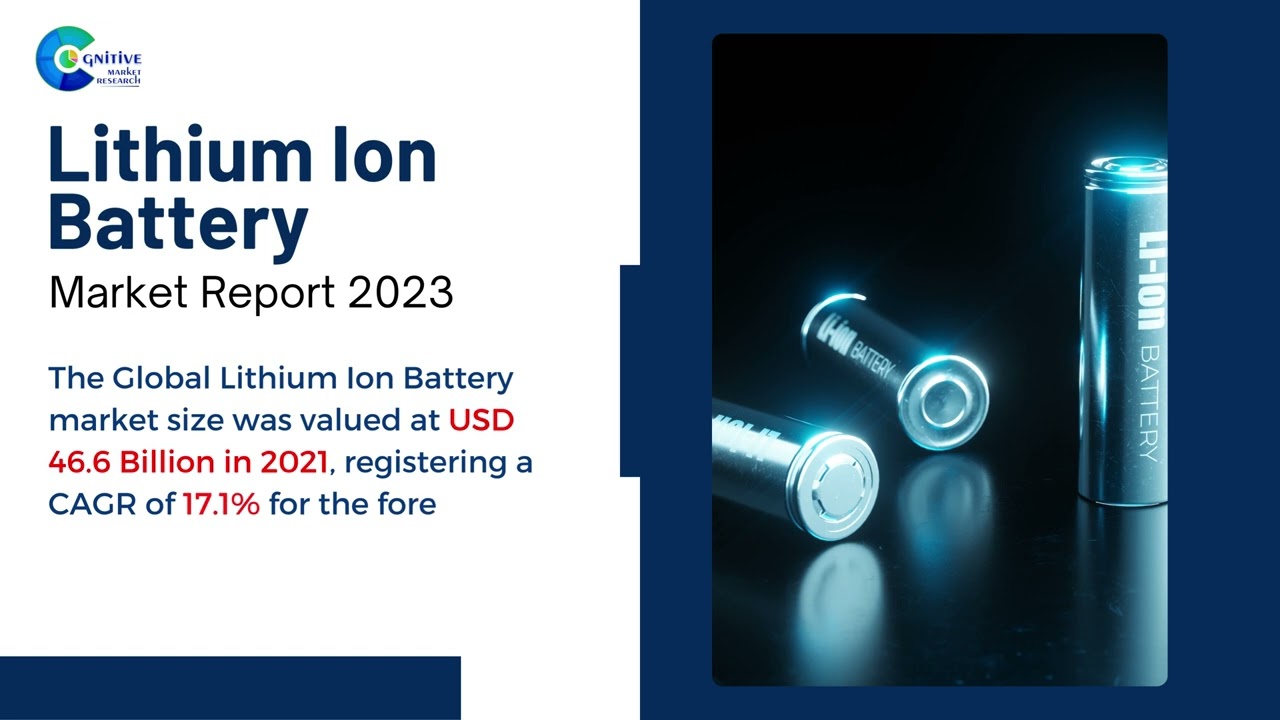
A rechargeable battery that uses lithium-ion to store energy is called a lithium-ion battery. The negative electrode is made from graphite, while the positive electrode is made from metal oxide. During the discharge, the positive electrode acts as a cathode. The lithium-ion battery has a long life, is lightweight, and supports wireless charging. These batteries charge more quickly than lead-acid batteries. Because of these advantages, Lithium-ion batteries have various applications in consumer goods, aerospace, and military applications, and electric vehicles.
Here are some drivers of the lithium-ion battery market
Increasing demand from the electric vehicle industry:
The most crucial part of an electric vehicle (EV) is the battery. Better performance of EVs required excellent batteries. These batteries are made from the cathode material. Lithium cobalt oxide (LCO cathode), was the first used cathode material. Lithium nickel manganese cobalt oxide (NMC cathode) offers a great life cycle as compared to lithium nickel cobalt aluminum oxide (NCA). NCA provides high energy density. Electric vehicles are the best substitute for the automotive vehicle because of the scarce resources of petroleum. Therefore, increasing fuel prices creates the demand for electric cars. The lithium battery market is expected to grow by increasing demand for electric vehicles.
Increasing demand for electronic consumer goods:
The increasing population and rising disposable income of an individual create demand for home appliances, in addition to the increasing use of laptops, cell phones, and computers at personal, as well as industrial levels, creating demand for long-life batteries. The market for lithium-ion batteries is expected to grow in the upcoming years due to increasing demand for electronic consumer goods.
Here are some restraining factors that may hamper the market growth of the lithium-ion battery market:
Risks associated with the storage and transportation of batteries:
There is a certain risk associated with the storage and transportation of lithium-containing batteries. Increasing temperature leads to fire. The battery contains a significant amount of energy, in case of a short circuit they have the potential to create an electrical hazard. Hazardous chemicals such as mercury and heavy metal acids are harmful to the environment if proper disposal is not done. In addition, during manufacturing, workers may be exposed to hazardous chemicals and may face health issues. Therefore, proper care and handling is necessary to reduce the risk.
Conclusion:
The lithium-ion battery market is driven by increasing demand for electric vehicles and increasing usage of electronic consumer goods. There will be high demand for lithium-containing batteries because they have a longer life as compared to lead-acid batteries. The government is also investing in the renewable energy sector. The key market players are focusing on innovation and advancement to propel their growth in the market.
 X
X
Article Details
-
Author Vinayak Bali
-
Published 30 Sep 2023
-
Last Updated 04 Nov 2023
-
Reading Time~3 minutes
Related Reports
Get a Custom Report
Interested in a similar analysis for your market? Our experts can deliver a customized report.
Contact Our ExpertsMore Articles
Explore all published articles across 30+ industry verticals.
View All Articles