Article
Introduction of the Alfalfa Market
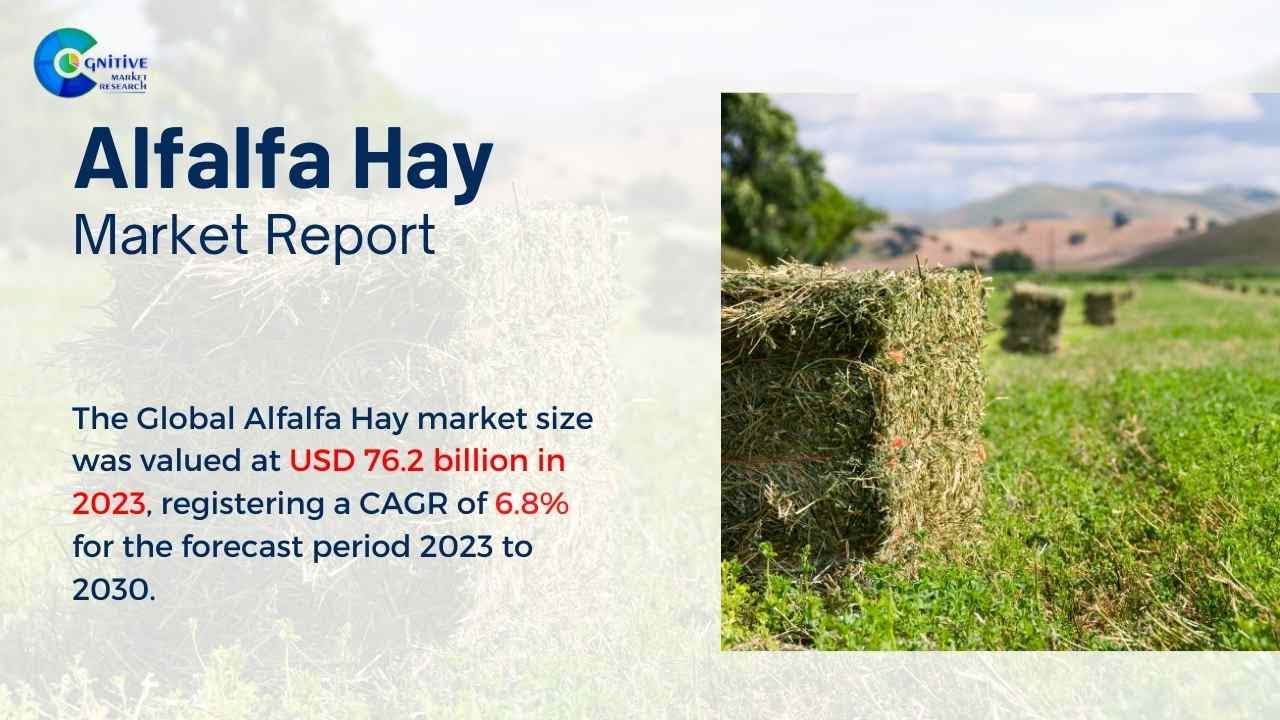
The global Alfalfa Hay market is evolving rapidly, driven by rising demand for high-quality animal feed, advancements in agricultural technology, and shifting consumer preferences toward sustainable and nutrient-rich livestock products. Alfalfa hay valued for its high protein, digestibility, and fiber is central to feeding dairy cattle, beef cattle, sheep, horses, and specialty livestock.
As livestock production intensifies globally, understanding the key trends shaping the market and identifying future opportunities is critical for producers, investors, and industry stakeholders alike.
What Are the Key Trends in the Alfalfa Hay Market?
Below are the most significant trends transforming the alfalfa hay landscape:
1. Growing Demand for High-Quality Feed
Producers are increasingly prioritizing nutrient-dense feed options to improve animal health, milk production, and meat quality. Alfalfa hay’s protein, fiber, and mineral composition make it the forage of choice for premium livestock diets.
Drivers:
- Dairy and beef producers seeking higher yields
- Consumer demand for better-quality animal products
- Increased adoption of value-focused feeding programs
2. Adoption of Precision Agriculture Technologies
Precision agriculture is revolutionizing farm operations by enabling data-driven decision-making.
Key Technologies:
- Soil sensors and moisture mapping
- GPS-guided irrigation systems
- Drones for crop monitoring
- Variable rate nutrient application
These tools support improved resource efficiency, higher yields, and reduced production costs.
3. Expansion of Organic and Specialty Feed Segments
Consumers and livestock producers are shifting toward organic, non-GMO, and naturally produced feed.
Impacts:
- Growth in organic alfalfa production
- Premium pricing for certified forage
- Niche markets for free-range poultry and equine feed
4. Increase in Value-Added Forage Products
Producers are introducing new product formats to enhance usability and logistics.
Examples:
- Pellets and cubes for easier transport
- Blended feed solutions
- Specialty fiber concentrates
These innovations improve feed handling, storage, and performance outcomes.
5. Strengthening of Global Export Flows
Export markets are expanding as countries with feed deficits source alfalfa internationally.
Key Flow Dynamics:
- North America remains a major exporter
- Asia-Pacific and Middle East are growing import regions
- Regional feed security strategies influence trade patterns
6. Strategic Investments in Genetic Improvements
Research efforts are accelerating for drought-tolerant and resilient alfalfa varieties that can withstand environmental stress and water scarcity.
Benefits:
- Greater yield stability
- Reduced irrigation dependency
- Enhanced resistance to pests and climate variability
Which Regions Are Driving Market Growth?
North America
As the largest regional market, North America benefits from advanced farming practices, large dairy operations, and export infrastructure.
Europe
Market growth is supported by organic livestock systems and strict feed quality standards.
Asia-Pacific
Rapidly expanding livestock demand—particularly in China, India, and Southeast Asia—is positioning the region as a major growth engine.
What Future Opportunities Exist in the Alfalfa Hay Market?
The following areas present significant opportunities for growth and differentiation:
1. Precision Agriculture Services
Consultancies and tech providers can support producers with analytics and automation tools.
2. Climate-Adapted Alfalfa Varieties
Development of resilient cultivars enhances production stability.
3. Organic and Certified Forage Expansion
Premium segments offer higher margins and growing demand.
4. Value-Added Feed Solutions
Pellets, cubes, and blended products improve performance and logistics.
5. Enhanced Export Infrastructure
Cold storage hubs and streamlined logistics can broaden global market access.
Conclusion
As per our Research Analyst, The Alfalfa Hay market is at a pivotal stage of evolution. Sustained demand for nutrient-dense feed, coupled with technology adoption and specialty product growth, creates a positive long-term outlook. While challenges such as climate pressures and water limitations persist, innovation and strategic investments position the industry to capitalize on emerging opportunities.
Through improved farming practices, product innovation, and global market diversification, stakeholders can enhance competitiveness, support livestock nutrition, and contribute to broader food security goals.

 X
X
Article Details
-
Author Pratik Shirsath
-
Published 24 Sep 2024
-
Last Updated 03 Feb 2026
-
Reading Time~3 minutes
Related Reports
Get a Custom Report
Interested in a similar analysis for your market? Our experts can deliver a customized report.
Contact Our ExpertsMore Articles
Explore all published articles across 30+ industry verticals.
View All Articles