Which are the top manufacturing Companies in the Foot Massager Market
The Foot Massager market is experiencing steady growth as consumers increasingly prioritize wellness and relaxation solutions.
Choose which categories of cookies you allow. Strictly necessary cookies are always on.
Required for core site functionality, security and your session. Always active.
Help us understand how visitors use the site (e.g. Google Analytics) so we can improve it.
Used to measure campaigns and show you relevant ads on other sites (e.g. LinkedIn, Google Ads).
Global Foot Massager market size is USD 2358.6 million in 2024. The increasing focus on health and wellness are expected to boost the sales to USD 3593.568365 Million by 2031 with a Compound Annual Growth Rate (CAGR) of 6.40% from 2024 to 2031. Download a free sample with data verified by Anushka Gore
| Data Timeline | Historical Data: 2022–2025 | Base Year: 2025 | Forecast Period: 2026–2034 |
|---|---|
| Product Type Segment | Electric Foot Massager, Manual Foot Massager, Heated Foot Massager, Vibration Foot Massager, Others |
| Application Segment | Nerve Relaxation, Pain Relieving, Others |
| Technology Segment | Infrared Heating, Vibration Technology, Rolling & Kneading, Air Compression, Others |
|---|---|
| Distribution Channels Segment | Hypermarkets, Specialty Stores, Online Platforms |
| Price Range Segment | Low, Mid, Premium |
| End User Segment | Residential, Commercial |
| Regions & Countries |
|
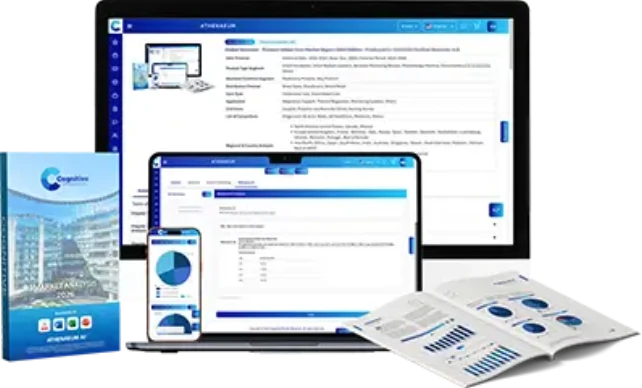
Country-level data · Company profiles · Editable dataset · Analyst consultation included.
| Region / Country | 2021 (A) | 2025 (A) | 2033 (P) | CAGR |
|---|---|---|---|---|
| Global | xxxx | xxxx | xxxx | 6.2% |
| North America | xxxx | xxxx | xxxx | 4.4% |
| United States | xxxx | xxxx | xxxx | 4.2% |
| Canada | xxxx | xxxx | xxxx | 5.2% |
| Mexico | xxxx | xxxx | xxxx | 4.9% |
| Europe | xxxx | xxxx | xxxx | 4.7% |
| United Kingdom | xxxx | xxxx | xxxx | 5.5% |
| France | xxxx | xxxx | xxxx | 3.9% |
| Germany | xxxx | xxxx | xxxx | 4.9% |
| Italy | xxxx | xxxx | xxxx | 4.1% |
| Russia | xxxx | xxxx | xxxx | 3.7% |
| Spain | xxxx | xxxx | xxxx | 3.8% |
| Sweden | xxxx | xxxx | xxxx | xxxx |
| Denmark | xxxx | xxxx | xxxx | xxxx |
| Switzerland | xxxx | xxxx | xxxx | xxxx |
| Luxembourg | xxxx | xxxx | xxxx | xxxx |
| Rest of Europe | xxxx | xxxx | xxxx | 3.4% |
| Asia Pacific | xxxx | xxxx | xxxx | 8.2% |
| China | xxxx | xxxx | xxxx | 7.7% |
| Japan | xxxx | xxxx | xxxx | 6.7% |
| South Korea | xxxx | xxxx | xxxx | 7.3% |
| India | xxxx | xxxx | xxxx | 10% |
| Australia | xxxx | xxxx | xxxx | 7.9% |
| Singapore | xxxx | xxxx | xxxx | xxxx |
| Taiwan | xxxx | xxxx | xxxx | xxxx |
| South East Asia | xxxx | xxxx | xxxx | xxxx |
| Rest of APAC | xxxx | xxxx | xxxx | 8% |
| South America | xxxx | xxxx | xxxx | 5.6% |
| Brazil | xxxx | xxxx | xxxx | 6.2% |
| Argentina | xxxx | xxxx | xxxx | 6.5% |
| Colombia | xxxx | xxxx | xxxx | 5.4% |
| Peru | xxxx | xxxx | xxxx | 5.8% |
| Chile | xxxx | xxxx | xxxx | 5.9% |
| Rest of South America | xxxx | xxxx | xxxx | 4.7% |
| Middle East | xxxx | xxxx | xxxx | 5.9% |
| Saudi Arabia | xxxx | xxxx | xxxx | xxxx |
| Turkey | xxxx | xxxx | xxxx | 5.4% |
| UAE | xxxx | xxxx | xxxx | xxxx |
| Egypt | xxxx | xxxx | xxxx | 6.2% |
| Qatar | xxxx | xxxx | xxxx | xxxx |
| Rest of Middle East | xxxx | xxxx | xxxx | 4.9% |
| Africa | xxxx | xxxx | xxxx | xxxx |
| East Africa | xxxx | xxxx | xxxx | xxxx |
| West Africa | xxxx | xxxx | xxxx | xxxx |
| North Africa | xxxx | xxxx | xxxx | xxxx |
| South Africa | xxxx | xxxx | xxxx | xxxx |
A = Actual · E = Estimated · P = Projected · 🔒 Locked values require full access. Click headers to sort.
Unlock full regional dataset →Product Type breakdown · Illustrative 2025 shares shown free · Full-period forecast in paid report.
Disclaimer: The charts and graphs are for illustrative purposes only and do not represent actual market values. To access accurate quantitative data, please request a paid report or request free sample.
To learn more about market share and segmentation, request the free sample pages.
Panasonic, Homedics, Breo, OSIM, and Inada are the key players in the Foot Massager Market
Panasonic
Panasonic dominates the Foot Massager Market with a 20% market share, renowned for its cutting-edge massage technology and premium product range. The company offers a diverse selection of high-performance foot massagers, integrating shiatsu, kneading, and air compression massage techniques to deliver a spa-like relaxation experience. Panasonic's leg and foot massage devices, such as the EW-RA96 and EW-NA75 models, are particularly favored for their ergonomic design, customizable intensity levels, and advanced heat therapy functions. In 2023, Panasonic generated over USD 300 million from its foot massager segment, reflecting the increasing consumer demand for home-based wellness solutions. Panasonic's success is driven by its focus on innovation, durability, and brand trust. With a strong global presence, particularly in Japan, North America, and Europe, the company continues to cater to a wide range of consumers, from working professionals seeking stress relief to elderly individuals managing circulation issues. As the market for self-care and wellness appliances continues to grow, Panasonic remains at the forefront by investing in AI-powered massage technologies and personalized massage programs, ensuring it maintains its position as the leading brand in the foot massager industry.
Homedics holds a 18% market share, widely recognized for its affordable yet high-quality foot massagers that cater to the mass-market segment. The brand specializes in compact, user-friendly designs that incorporate features such as deep-kneading shiatsu massage, vibration therapy, and soothing heat functions. Products like the Homedics Shiatsu Air Pro Foot Massager and the Triple Action Shiatsu Foot Massager have gained immense popularity among consumers looking for cost-effective relaxation solutions. In 2023, Homedics' foot massager segment surpassed USD 250 million in revenue, driven by strong sales across North America and Europe. Homedics differentiates itself through its affordability, accessibility, and extensive retail distribution network. The brand is present in department stores, online marketplaces, and electronics retailers, making it easily available to a broad audience. While it primarily targets home users seeking relaxation and relief from foot fatigue, the brand has recently expanded its portfolio to include wireless, portable, and rechargeable massagers, catering to modern consumers who prioritize convenience and flexibility in their wellness routines.
Breo commands a 14% market share, positioning itself as a premium, technology-driven brand specializing in acupressure and reflexology-based foot massagers. The company is known for integrating traditional Chinese medicine techniques with modern technology, offering massage devices that stimulate pressure points, improve blood circulation, and alleviate muscle tension. Models such as the Breo FootSpa Massager and Breo iSee M Series have gained a loyal customer base among those seeking holistic wellness solutions. In 2023, Breo's revenue from foot massagers exceeded USD 200 million, largely due to its strong presence in China, North America, and Europe. Breo's competitive edge lies in its focus on precision, medical-grade therapy, and sleek, modern aesthetics. The brand appeals to health-conscious individuals and wellness enthusiasts, often marketing its products as alternative therapy solutions for stress relief, muscle recovery, and circulation enhancement. With continued investment in smart massage technologies and AI-driven relaxation programs, Breo is expected to further strengthen its foothold in the global premium foot massager segment.
Smart Features, Ergonomic Design, and Affordability Are Key Areas Where New Entrants Should Focus in the Foot Massager Market
For new entrants to successfully establish themselves in the competitive foot massager market, they must focus on innovation, affordability, and customer-centric marketing. The ability to introduce unique product features, such as customizable massage modes, deep-tissue shiatsu technology, and portable, battery-operated models, can help attract a broad consumer base. By integrating smart connectivity options, including app-controlled settings and AI-driven recommendations, new brands can appeal to tech-savvy consumers looking for enhanced usability. Pricing remains a critical factor for success. Many consumers prioritize affordability when selecting home wellness products, making it essential for emerging brands to adopt cost-efficient manufacturing processes. Strategic partnerships with e-commerce platforms and direct engagement through online sales channels can further reduce distribution costs and improve accessibility. Additionally, the growing influence of social media marketing presents an opportunity for new players to build brand recognition quickly. Leveraging influencer collaborations, customer testimonials, and interactive content can significantly enhance visibility and consumer trust.
Moreover, strong after-sales support and warranty policies can set a brand apart in this competitive landscape. Consumers investing in foot massagers expect durability and reliable performance. By offering extended warranties, flexible return policies, and responsive customer service, new entrants can establish a loyal customer base and compete effectively with well-known brands. A combination of affordability, technological advancements, and customer engagement will be crucial in securing a competitive edge in this growing market. To gain traction in the foot massager market, new brands should prioritize three key aspects: smart features, ergonomic design, and affordability. The integration of smart functionalities—such as AI-driven massage programs, app-controlled customization, and adaptive intensity settings—enhances user convenience and provides a more personalized massage experience. Consumers are increasingly seeking massagers that can be adjusted remotely or programmed to cater to their specific relaxation needs. Emerging brands investing in smart technology integration will likely attract a broader audience.
Another critical area of focus is ergonomic design. Many consumers prefer foot massagers that offer deep relaxation without causing discomfort or requiring complicated setup processes. Lightweight, portable models with flexible foot positioning options are gaining popularity among users who seek convenience. By incorporating high-quality cushioning, pressure sensors, and adjustable heat therapy settings, new entrants can differentiate their products and cater to diverse consumer preferences. Additionally, silent operation and compact storage-friendly designs add further value for users looking for a seamless experience. Affordability remains a decisive factor in driving consumer purchase decisions. While premium brands dominate the high-end segment, there is a growing demand for budget-friendly alternatives that do not compromise on essential features. Companies like RENPHO and Miko have successfully captured market attention by offering affordable yet feature-packed foot massagers. New entrants should adopt similar strategies by streamlining production costs and eliminating unnecessary intermediaries in distribution. A well-balanced combination of competitive pricing, innovative design, and smart features will enable new brands to carve out a sustainable position in the market.
| Top Companies (In no particular order) | 2022 (A) | 2023 (A) | 2024 (A) | 2025 (A) |
|---|---|---|---|---|
| OSIM International Ltd. | ••• | ••• | ••• | ••• |
| Panasonic Corporation | ••• | ••• | ••• | ••• |
| Naipo Care | ••• | ••• | ••• | ••• |
| HoMedics Inc. | ••• | ••• | ••• | ••• |
| Beurer GmbH | ••• | ••• | ••• | ••• |
| Brookstone | ••• | ••• | ••• | ••• |
| Others | ••• | ••• | ••• | ••• |
We Provide Regional Breakdown of this Companies and Company specific to any Country, Region, Product/ service as well. We cover market share analysis for publicly listed companies as well as privately held companies, subject to data availability.
Request company profile for validation →According to Cognitive Market Research, the global Foot Massager market size is USD 2358.6 million in 2024 and will expand at a compound annual growth rate (CAGR) of 6.40% from 2024 to 2031.
The foot massager marketplace encompasses a range of gadgets designed to alleviate foot discomfort, improve circulation, and sell rest. These products vary in layout, capabilities, and charge, presenting alternatives from primary manual rollers to advanced electric models with diverse rubdown techniques and settings. The market call is pushed by using factors inclusive of growing awareness of the importance of foot health, growing occurrence of foot-associated troubles, and developing emphasis on self-care and wellness. Key market players consist of producers of healthcare and health products, in addition to retailers focusing on massage and rest devices. The marketplace has a visible constant boom because of demographic shifts, technological improvements, and the increasing availability of foot massagers throughout online and offline retail channels.

Anushka Gore is a Senior Research Associate at Cognitive Market Research & Consulting, specializing in the Consumer Goods sector. She is involved in delivering comprehensive market intelligence and business research solutions, utilizing both primary and secondary research methodologies to provide accurate, actionable, and data-driven insights for organizations operating across diverse consumer markets.
Her expertise includes market sizing and forecasting, competitive landscape assessment, consumer behavior analysis, brand positioning studies, customer and stakeholder surveys, expert interviews, and strategic market evaluations. Anushka works closely with manufacturers, retailers, distributors, industry experts, and consumers to gather firsthand market insights while leveraging extensive secondary research to validate market trends, demand patterns, and growth opportunities.
At Cognitive Market Research & Consulting, she contributes to market research reports, custom consulting engagements, and survey-based studies spanning various consumer goods categories, including packaged foods, beverages, personal care products, household products, consumer electronics, lifestyle products, and emerging consumer brands. Her research helps organizations understand changing consumer preferences, purchasing behaviors, distribution channel dynamics, competitive strategies, and innovation trends shaping the consumer goods industry.
Through her analytical approach and deep understanding of consumer markets, Anushka supports businesses in identifying growth opportunities, evaluating market potential, optimizing product strategies, and making informed strategic decisions. Her commitment to delivering high-quality research enables organizations to adapt to evolving consumer demands, strengthen market positioning, and achieve sustainable growth in an increasingly competitive marketplace.
★ Reviews
Rate this report
| Product Type | Electric Foot Massager, Manual Foot Massager, Heated Foot Massager, Vibration Foot Massager, Others |
|---|---|
| Application | Nerve Relaxation, Pain Relieving, Others |
| Technology | Infrared Heating, Vibration Technology, Rolling & Kneading, Air Compression, Others |
| Distribution Channels | Hypermarkets, Specialty Stores, Online Platforms |
| Price Range | Low, Mid, Premium |
| End User | Residential, Commercial |
| Conclusion | |
| List of Competitors | OSIM International Ltd., Panasonic Corporation, Naipo Care, HoMedics Inc., Beurer GmbH, Brookstone, Others |
Product Innovation & Technology Trends Analysis
Smart foot massagers with IoT & app connectivity.
AI-enabled personalized massage intensity adjustment.
Use of heat therapy, air compression, and vibration technology.
Foldable, portable, and space-saving innovations.
Eco-friendly and low-energy consumption product designs.
Online retail growth
Brick-and-mortar presence in electronics stores, pharmacies, and wellness outlets.
Direct-to-consumer (D2C) emerging models.
Subscription-based wellness product rentals.
Pricing & Affordability Landscape
Breakdown of entry-level, mid-range, and premium product pricing.
Consumer willingness-to-pay across different regions.
Impact of economic conditions (recession, disposable income trends) on product demand.
Regulatory & Safety Standards Analysis
Compliance with FDA, CE, and ISO certifications.
Safety concerns regarding electrical devices in household use.
Country-specific import/export regulations for healthcare and wellness devices.
Cognitive Market Research and Consulting "The Full Truth" methodology — a rigorous triangulation process that combines primary research, secondary validation, and expert calibration. Implemented by Anushka Gore and team for the Foot Massager Market Analysis Market analysis.
Direct interviews with 50+ industry stakeholders including manufacturers, distributors, end-users, and regulatory bodies across all six regions.
Cross-referencing against trade databases, customs records, financial filings, patent databases, and verified industry publications.
Each data point undergoes validation by minimum two independent domain experts with 15+ years of industry experience.
Our proprietary AI platform aggregates, normalizes, and identifies patterns across 10,000+ data points to surface non-obvious insights.
Final review by senior analysts ensures accuracy, coherence, and actionability of all insights and recommendations.
To maintain the integrity of our proprietary methodology and protect our elite expert network, specific source disclosures are reserved for full-access partners. Our research framework is anchored by a 70:30 primary-to-secondary ratio, ensuring your strategy is driven by real-time market intelligence rather than recycled, publicly available, or AI-generated data. Every deliverable includes an exhaustive source directory and grants direct analyst access.
The Foot Massager market is experiencing steady growth as consumers increasingly prioritize wellness and relaxation solutions.
We don't just hand over data. We partner with your team across three integrated service lines — each designed to give you decision-grade intelligence on the Foot Massager Market Analysis market.
Structured primary research across both B2B and B2C channels. We design and execute custom surveys targeting manufacturers, distributors, procurement heads, and end-consumers in the foot massager market analysis ecosystem — validated by our global panel of 10,000+ industrial respondents.
Choose from our ready-to-access 8th Edition report or commission a fully customized dataset tailored to your exact strategic questions. Cross-splits, custom geographies, proprietary segmentation — we build the intelligence asset your board actually needs.
Every survey and every report comes with dedicated analyst consultation. Our senior research team walks your leadership through findings, answers strategic questions in real-time, and helps translate data into your next board presentation or investment thesis.
Tell us the specific segments, regions, or companies you need — and we will tailor the deliverable to your requirements.