Drug Delivery Technologies Market Analysis from 2022 to 2034 Containing Market Size, Share along with its CAGR, Forecast and Trends
Top Countries — Revenue
Access the full forecast model.
Country-level data · Company profiles · Editable dataset · Analyst consultation included.
Drug Delivery Technologies Market Analysis — Presence
Geographical Analysis
Click countries to exploreRegional and Country Analysis
Global Drug Delivery Technologies Market Analysis 2026
| Region / Country | 2021 (A) | 2025 (A) | 2033 (P) | CAGR |
|---|---|---|---|---|
| Global | xxxx | xxxx | xxxx | 7.2% |
| North America | xxxx | xxxx | xxxx | xxxx |
| United States | xxxx | xxxx | xxxx | xxxx |
| Canada | xxxx | xxxx | xxxx | xxxx |
| Mexico | xxxx | xxxx | xxxx | xxxx |
| Europe | xxxx | xxxx | xxxx | xxxx |
| United Kingdom | xxxx | xxxx | xxxx | xxxx |
| France | xxxx | xxxx | xxxx | xxxx |
| Germany | xxxx | xxxx | xxxx | xxxx |
| Italy | xxxx | xxxx | xxxx | xxxx |
| Russia | xxxx | xxxx | xxxx | xxxx |
| Spain | xxxx | xxxx | xxxx | xxxx |
| Sweden | xxxx | xxxx | xxxx | xxxx |
| Denmark | xxxx | xxxx | xxxx | xxxx |
| Switzerland | xxxx | xxxx | xxxx | xxxx |
| Luxembourg | xxxx | xxxx | xxxx | xxxx |
| Rest of Europe | xxxx | xxxx | xxxx | xxxx |
| Asia Pacific | xxxx | xxxx | xxxx | xxxx |
| China | xxxx | xxxx | xxxx | xxxx |
| Japan | xxxx | xxxx | xxxx | xxxx |
| South Korea | xxxx | xxxx | xxxx | xxxx |
| India | xxxx | xxxx | xxxx | xxxx |
| Australia | xxxx | xxxx | xxxx | xxxx |
| Singapore | xxxx | xxxx | xxxx | xxxx |
| Taiwan | xxxx | xxxx | xxxx | xxxx |
| South East Asia | xxxx | xxxx | xxxx | xxxx |
| Rest of APAC | xxxx | xxxx | xxxx | xxxx |
| South America | xxxx | xxxx | xxxx | xxxx |
| Brazil | xxxx | xxxx | xxxx | xxxx |
| Argentina | xxxx | xxxx | xxxx | xxxx |
| Colombia | xxxx | xxxx | xxxx | xxxx |
| Peru | xxxx | xxxx | xxxx | xxxx |
| Chile | xxxx | xxxx | xxxx | xxxx |
| Rest of South America | xxxx | xxxx | xxxx | xxxx |
| Middle East | xxxx | xxxx | xxxx | xxxx |
| Saudi Arabia | xxxx | xxxx | xxxx | xxxx |
| Turkey | xxxx | xxxx | xxxx | xxxx |
| UAE | xxxx | xxxx | xxxx | xxxx |
| Egypt | xxxx | xxxx | xxxx | xxxx |
| Qatar | xxxx | xxxx | xxxx | xxxx |
| Rest of Middle East | xxxx | xxxx | xxxx | xxxx |
| Africa | xxxx | xxxx | xxxx | xxxx |
| East Africa | xxxx | xxxx | xxxx | xxxx |
| West Africa | xxxx | xxxx | xxxx | xxxx |
| North Africa | xxxx | xxxx | xxxx | xxxx |
| South Africa | xxxx | xxxx | xxxx | xxxx |
A = Actual · E = Estimated · P = Projected · 🔒 Locked values require full access. Click headers to sort.
Unlock full regional dataset →Segmentation Analysis
Additional Insights of Drug Delivery Technologies Market
Regulation And Guidelines for the Drug Delivery Technologies Market
- North America
- Europe
- Asia Pacific
- South America
- Middle East
- Africa
Regulations for drug delivery devices are designed to ensure their safety, effectiveness, and quality throughout development, manufacturing, and post-market use. These devices, often classified as combination products (drug and device), must comply with stringent requirements set by regulatory authorities such as the U.S. Food and Drug Administration (FDA) and the European Medicines Agency (EMA). The FDA regulates these products through its Office of Combination Products, requiring comprehensive testing, including design verification, validation, and risk management to demonstrate that the device performs reliably and safely with the drug it delivers. In Europe, the Medical Device Regulation (MDR) imposes rigorous conformity assessment procedures, especially under Article 117, which mandates additional scrutiny and involvement of Notified Bodies for drug-device combinations. Manufacturers must provide detailed technical documentation, clinical evidence, and ensure compliance with quality systems standards. These regulatory frameworks, while complex, aim to protect patient safety, promote innovation, and facilitate market access for advanced drug delivery technologies.
Conferences and Events in Drug Delivery Technologies Market
Pre-Filled Syringes and Injectable Drug Devices Conference 2025
January 14–15, 2025: Nemera is proud to participate as an exhibitor at the upcoming Pre-Filled Syringes and Injectable Drug Devices Conference 2025, taking place from January 14–15. As part of SMi’s renowned injectables event series, this 14th annual conference will delve into recent advancements in combination product delivery systems. Key themes will include the industry's strategic response to the postponed EU Medical Device Regulation (EU MDR), insights gained from the global pandemic, and collaborative approaches among pharma companies, device developers, and regulators to foster future innovation.
As a global leader in drug delivery device solutions, Nemera views this event as a valuable opportunity to showcase its expertise—particularly in inhalation and nasal delivery systems—while engaging with customers and industry professionals. The event provides a platform to gather industry insights and explore new ways to improve Nemera’s offerings for both clients and patients. Featured products will include Safe'n'Sound 1mL and 2.25mL, reusable and disposable pens, and the Symbioze platform. Representing Nemera at the event will be Vincent Delfini, Sales Director, and Cécile Gross, Marketing Category Manager – Parenteral.
(Source:https://www.nemera.net/events/pfs-2025/)
Patent Analysis
|
Patent Number |
Title |
Date of Patent Expiry |
Assignee |
|
US9061097B2 |
Drug delivery device |
2031-06-07 |
Amgen Inc |
|
US9550036B2 |
Nasal drug delivery device |
2032-09-05 |
Woodward Specialty LLC |
(Source:https://patents.google.com/patent/US9061097B2/en)
Approved Drug Delivery Technologies Market
|
Company |
Drug Delivery Device |
Date of Approval |
|
Medtronic |
MiniMed 780G, an automated insulin delivery system. |
April 2023 |
|
Medtronic |
InPen app with Smart MDI system |
November 2024 |
(Source:https://www.drugdeliverybusiness.com/medtronic-next-gen-insulin-pumps-coming/)
(Source:https://www.pharmaceutical-technology.com/analyst-comment/fda-approval-medtronic-inpen-app/?cf-view)
Pricing Analysis of the Drug Delivery Technologies Market
The pricing of drug delivery technologies varies significantly due to factors such as device complexity, technological innovation, clinical development duration and costs, and broader market dynamics. These technologies, which often combine pharmaceutical formulations with advanced engineering (e.g., smart inhalers, implantable, autoinjectors), follow pricing principles similar to those for new drug entities, including capitalized R&D expenses and the costs of failed development attempts. While some studies factor in opportunity costs and tax implications, others focus solely on direct expenditures, leading to varying cost models. Despite these differences, all research points to a consistent rise in development costs driven by stricter safety regulations, trial complexity, and innovation demands. However, improving trial efficiency and success rates presents an opportunity to reduce development costs and, consequently, market prices. In real-world practice, pricing reflects a mix of R&D investments, manufacturing costs, intellectual property, and market exclusivity. While some products have faced criticism for pricing that exceeds production costs, newer technologies often command premium prices due to their clinical value and innovation. Moving forward, aligning pricing with value-based care and increasing transparency around development costs will be essential to ensure these technologies remain both impactful and accessible.
(Source:https://www.wisdomlib.org/uploads/journals/wjpr/volume-6,-may-issue-5_6921.pdf)
Value chain analysis of the Drug Delivery Technologies Market
The development of drug delivery devices (DDDs) begins with Research & Development (R&D), focusing on designing innovative and safe technologies such as injectables or combination products. This stage involves material selection, prototype creation, and compatibility studies to ensure device efficacy and patient usability. Given the classification of DDDs under the Medical Device Regulation (MDR) as combination products (Article 1(9)), developers must plan early for regulatory compliance.
The Regulatory Strategy and Approval phase is critical, as DDDs can be integral (single-use or reusable) or non-integral, each subject to different pathways. Integral devices typically require a single marketing authorization application (MAA) under Directive 2001/83/EC, with notified body (NB) opinions focused on device compliance with General Safety and Performance Requirements (GSPR). Non-integral devices usually demand two submissions: one for the medicinal product and a separate technical dossier for the device, which must be CE-marked by an NB.
Next, Manufacturing involves stringent quality control under Good Manufacturing Practices (GMP), ensuring device sterility, functionality, and consistency at scale, while complying with both medicinal and medical device manufacturing standards.
During Packaging and Labeling, devices must meet regulatory demands to maintain sterility and provide clear, compliant user instructions and safety information, especially vital for combination products.
The Marketing and Distribution phase integrates regulatory approvals, market analysis, and logistics management, including cold chain requirements, if necessary, to ensure product availability aligned with healthcare provider and patient needs.
Finally, Customer Support and Training promote correct device usage to maximize therapeutic outcomes, while Post-Market Monitoring and Innovation ensure ongoing safety surveillance, regulatory compliance, and iterative improvements in response to real-world feedback
Government Investment and Program for the Global Biosimilar Drugs
The U.S. government, through funding from the National Institute of Biomedical Imaging and Bioengineering (NIBIB), is investing significantly in the development of advanced drug delivery technologies aimed at enhancing patient care, improving treatment outcomes, and reducing healthcare burdens. These research efforts are broadly focused on two key areas: routes of drug delivery and delivery vehicles, each with innovative approaches to solve existing challenges in medication administration.
In terms of delivery methods, NIBIB supports the development of microneedle patches—painless, dissolvable patches designed for easy and needle-free vaccine delivery through the skin. These patches eliminate the need for refrigeration and professional administration, making them especially valuable in underserved or remote communities. Additionally, researchers are working on robotic pills that offer a less invasive alternative to self-injections. These ingestible devices can deliver complex biological drugs directly into the stomach lining, potentially replacing injections for conditions like diabetes and Crohn’s disease.
On the other hand, advancements in delivery vehicles are also being prioritized. NIBIB-funded scientists are developing nanoparticle systems for gene therapy in treating eye diseases such as macular degeneration. These nanoparticles can carry larger genetic material and evade immune detection, offering improved therapeutic outcomes. Another promising technology involves creating neutrophil-inspired nanovesicles to deliver anti-inflammatory drugs directly to the lungs, particularly for conditions like acute respiratory distress syndrome (ARDS). These biologically inspired systems aim to reduce inflammation more effectively and target specific tissues with higher precision. Through these initiatives, federal investment is helping accelerate the translation of innovative drug delivery research into real-world clinical solutions
Unmet Needs of Global Drug Delivery Technologies Market
Drug delivery systems face significant challenges due to biological barriers that impede the effective delivery of therapeutic agents to specific sites within the body. Among these, the blood-brain barrier (BBB) and mucosal barriers are particularly critical obstacles. The BBB functions as a highly selective barrier that regulates the entry of molecules into the central nervous system, protecting brain homeostasis. However, this selective permeability limits the passage of many medications intended to treat neurological disorders such as brain tumors and Alzheimer’s disease. Overcoming the BBB remains a major challenge, necessitating innovative strategies such as targeted delivery methods and nanoparticle-based drug carriers to facilitate drug transport across this barrier.
Similarly, mucosal barriers lining the gastrointestinal, respiratory, ophthalmic, and genitourinary tracts pose challenges for drug absorption and distribution. These barriers can reduce the effectiveness of topical treatments, mucosal vaccines, and orally administered drugs. To address these issues, approaches including mucoadhesive nanoparticles, penetration enhancers, and advanced drug delivery systems are being developed to improve drug absorption across mucosal surfaces. Overcoming these biological hurdles requires multidisciplinary research and the creation of cutting-edge delivery technologies that maintain therapeutic efficacy without causing adverse side effects. Addressing these barriers is essential for advancing the treatment of numerous diseases and improving patient outcomes.
(Source:https://ijcrt.org/papers/IJCRT24A3053.pdf)
Technology breakdown · Illustrative 2025 shares shown free · Full-period forecast in paid report.
Disclaimer: The charts and graphs are for illustrative purposes only and do not represent actual market values. To access accurate quantitative data, please request a paid report or request free sample.
To learn more about market share and segmentation, request the free sample pages.
Competitor Analysis
Competitive Landscape of Drug Delivery Technologies Market
In April 2024, Roche declared that the Phase III STARGLO trial achieved its main objective, which was long-term survival. A longer life span was observed in patients with returned or resistant (R/R) lymphoma of the large B cells (DLBCL) that had already undergone one round of treatment and were not eligible for an autologous stem cell transplant when given the combination of Columvi (glofitamab) using the drugs gemcitabine and treatment with (GemOx) instead of MabThera/Rituxan (rituximab) with GemOx.
(Source:https://www.roche.com/media/releases/med-cor-2024-04-15)
Established Market Players
- BD
- West Pharmaceutical Services
- Nolato AB
- Phillips-Medi size
- SHL Medical
- Sanofi Pharmaceutical
- Others
Established drug delivery device companies like BD, West Pharmaceutical Services, Nolato AB, Phillips-Medisize, and SHL Medical hold a strong market presence built on decades of experience, global manufacturing networks, and deep partnerships with pharmaceutical companies. Their broad product portfolios include proven technologies such as auto-injectors, prefilled syringes, inhalers, and wearable injectors, supported by high-volume manufacturing capabilities and robust quality systems. These companies benefit from strong brand reputations, regulatory expertise, and reliable supply chains, allowing them to efficiently serve a wide range of drug delivery needs worldwide. However, their large scale and operational complexity can sometimes slow adoption of disruptive, digital, and smart drug delivery innovations
Emerging Market Players
- Gerresheimer AG
- Aptar Pharma
- Teva Pharmaceuticals
- 3M Drug Delivery Systems
- Others
The emerging players like Gerresheimer AG, Aptar Pharma, Teva Pharmaceuticals, and 3M Drug Delivery Systems are rapidly expanding through innovation, acquisitions, and strategic collaborations with biotech and digital health firms. They focus heavily on next-generation drug delivery technologies such as connected devices, IoT integration, and specialty delivery systems including ophthalmic and transdermal solutions. These companies are agile, embracing patient-centric designs and digital health trends to differentiate themselves in the market. While they face challenges in scaling manufacturing and navigating regulatory landscapes, their ability to quickly adapt and innovate positions them well to meet evolving industry demands and compete against established leaders.
Recent Developments
October 13, 2021: BD (Becton, Dickinson and Company) announced the launch of the BD SCF Premium Coat Plunger Stopper in partnership with Aptar Pharma, a global leader in drug delivery solutions and services. The BD SCF Premium Coat Plunger Stopper addresses the need of pharmaceutical companies to de-risk drug development and support time to market while improving operational efficiencies and reducing stopper-related quality issues.
https://aptar.com/wp-content/uploads/2021/10/2021-10-13-BD-Launches-Plunger-Stopper-in-Partnership-with-Aptar-Pharma-to-Enhance-Biologic-Drug-Delivery.pdf
January 25, 2022: West Pharmaceutical Services, Inc. Collaborated with Corning and to enable advanced drug containment and delivery system solutions. By combining West's industry-leading Nova Pure components, with Daikyo Flurotec coating technology, and Corning's Valor Glass and Velocity Vials, the strategic collaboration will enable new, advanced pharmaceutical packaging solutions. The collaboration optimizes the materials science and manufacturing expertise of both companies to help bio-pharma producers navigate the complex regulatory environment and mitigate risk in bringing drugs to market. This partnership and investment enable the development and industry-leading solutions that enhance patient safety, increase quality and reliability in highly regulated markets, and ensure greater capacity for life-saving drugs.
Market Strategies by the Players
Product Launch Strategies:
Successful launches focus on clear value propositions, regulatory approvals, and market education. Early engagement with healthcare professionals and key opinion leaders helps build trust and adoption. Pilot studies and real-world evidence demonstrations support marketing claims. Leveraging digital marketing, educational campaigns, and patient advocacy groups increases awareness. Phased launches, starting with targeted markets or patient populations, allow for controlled scaling and feedback incorporation.
For instance, July, 2022, the Sanofi collaborated with DCA Design International Ltd. and launched the first reusable insulin pen injector proving that sustainable medicine delivery devices gain ground.In 2021 Sanofi has launched this innovative product in India, a country in which the International Diabetes Federation estimates that 77 million people live with diabetes.
Partnership Strategies:
Collaborations with pharmaceutical companies, medical device manufacturers, and technology firms accelerate development and distribution. Partnerships can include co-development agreements, licensing deals, or joint ventures to combine expertise, share costs, and access established sales channels. Alliances with healthcare providers and payers ensure reimbursement pathways and better market access. Engaging contract manufacturing organizations (CMOs) optimizes production efficiency.
Investment Strategies:
Securing funding through venture capital, strategic investors, or government grants is crucial for R&D and commercialization phases. Demonstrating strong intellectual property, clinical validation, and market potential attracts investors. Staged financing aligned with milestones reduces risk. Additionally, forming partnerships with industry leaders can provide both capital and market credibility. Long-term investment planning accounts for regulatory timelines and scaling needs. On July 6, 2025, the Navamedic ASA recently announced its plan to acquire the business operations of Norwegian-based DNE Pharma for up to USD 21.94 Million. While this acquisition immediately strengthens Navamedic’s presence in the Nordic pharmaceutical market.
| Top Companies (In no particular order) | 2022 (A) | 2023 (A) | 2024 (A) | 2025 (A) |
|---|---|---|---|---|
| Lockheed Martin Corporation (U.S.) | ••• | ••• | ••• | ••• |
| Johnson & Johnson Inc | ••• | ••• | ••• | ••• |
| F. Hoffman-La Roche | ••• | ••• | ••• | ••• |
| Merck & Co Inc | ••• | ••• | ••• | ••• |
| Bayer AG | ••• | ••• | ••• | ••• |
| Pfizer Inc | ••• | ••• | ••• | ••• |
| Novartis AG | ••• | ••• | ••• | ••• |
| 3M Company | ••• | ••• | ••• | ••• |
| Becton | ••• | ••• | ••• | ••• |
| Dickinson and Company | ••• | ••• | ••• | ••• |
| GlaxoSmithKline plc | ••• | ••• | ••• | ••• |
| Sanofi Antares Pharma Inc | ••• | ••• | ••• | ••• |
We Provide Regional Breakdown of this Companies and Company specific to any Country, Region, Product/ service as well. We cover market share analysis for publicly listed companies as well as privately held companies, subject to data availability.
Request company profile for validation →Report Scope & Analysis
According to Cognitive Market Research, the global drug delivery technologies market size is USD XX billion in 2024 and will expand at a compound annual growth rate (CAGR) of 7.2% from 2024 to 2031.
Introduction of the Drug Delivery Technologies Market
Drug delivery is the technique of giving medicinal material to anyone or anything via an accepted method of consumption in order to have a beneficial effect. Technology for drug delivery is essential to improving the efficacy and security of medicinal therapies. Insufficient mobility, unfavorable adverse reactions, and restricted medication absorption are common issues involving conventional drug delivery techniques. In order to solve these problems, innovative drug delivery systems provide restorative medicines with a specific regulated distribution. The worldwide medication delivery industry is expanding due to factors such as rising emphasis on personalized treatment and technological improvements. Furthermore, new avenues for continuous tracking, dosage shifts, and customized therapies have been made possible by the combination of digital health technology and sophisticated medication delivery systems.
Drug delivery technologies refer to specialized methods, formulations, or systems designed to transport pharmaceutical compounds within the body to achieve targeted therapeutic effects. These technologies play a crucial role in modern medicine by ensuring that medications reach their intended sites of action effectively and safely. The field continues to evolve, aiming to enhance how drugs interact with the body to improve treatment outcomes. Traditional methods of drug administration, such as oral or injectable forms, often face limitations like poor absorption, rapid degradation, and non-specific distribution, which can lead to side effects and reduced efficacy. They may also require frequent dosing, affecting patient compliance.
Advanced drug delivery technologies are developed to address these challenges by improving the efficiency, precision, and convenience of drug administration. They aim to deliver higher concentrations of drugs directly to diseased tissues while minimizing exposure to healthy cells, thereby reducing side effects. Additionally, these technologies can protect unstable drug compounds from degradation, making it possible to use drugs that would otherwise be ineffective. Enhanced patient compliance is another significant benefit, achieved through less frequent dosing or more user-friendly administration methods.
Key approaches in this field include controlled release systems, which provide a steady drug supply over time, helping to maintain stable therapeutic levels and reduce dosing frequency. Examples include transdermal patches, implantable devices, and micro/nanoparticles. Targeted delivery systems focus on directing drugs to specific cells or tissues using carriers like liposomes, polymeric nanoparticles, or antibody-drug conjugates, improving treatment precision and reducing systemic toxicity. Novel administration routes, such as inhalers, transdermal patches, and microneedle arrays, offer non-invasive alternatives to traditional methods, enhancing patient comfort and compliance. Gene and cell therapies, which require delivery of fragile genetic material or cells, use advanced carriers like viral vectors or lipid nanoparticles to ensure these agents reach their target sites effectively, as seen in mRNA vaccines.
These drug delivery innovations are transforming how various diseases are treated. In cancer therapy, targeted delivery reduces systemic toxicity and increases drug concentration at tumor sites. For diabetes, technologies like insulin pumps and long-acting formulations help maintain consistent blood glucose levels with fewer injections. In chronic pain management, controlled-release drugs provide prolonged relief, avoiding the fluctuations seen with traditional dosing. Overall, these advancements not only improve treatment outcomes and patient quality of life but also pave the way for more personalized, precise medical care tailored to individual needs and disease profiles.
(Source:https://biologyinsights.com/what-are-drug-delivery-technologies-and-how-do-they-work/)
Trumps Tariff Impact in the Drug Delivery Technologies Market
During the U.S.-China trade war initiated by the Trump administration the United States imposed tariffs on over USD 360 billion worth of Chinese imports, including critical components used in medical devices. Among the affected products were insulin drug delivery devices such as insulin pens, pumps, and continuous glucose monitoring (CGM) systems, which rely on imported electronic parts, sensors, and plastic housings—many of which are manufactured in China. For example, under List 3 of the Section 301 tariffs, implemented in September 2018, a 10% tariff (later increased to 25%) was applied to a broad range of medical device components.
These tariffs significantly increased production costs for U.S.-based manufacturers of insulin delivery systems, such as Medtronic and Insulet, who rely on global supply chains. The added costs forced some companies to consider price increases, delay product launches, or seek alternative suppliers, which introduced further delays due to regulatory re-approvals from the FDA. Additionally, hospitals and patients—especially those managing chronic diabetes—faced potential cost burdens at a time when insulin affordability was already a national concern. The tariffs acted as a stress test on the medical device supply chain and underscored the need for greater supply chain resilience and domestic production capabilities in critical healthcare technologies.
Analyst Conclusion
From an analyst's perspective, the drug delivery technologies market is poised for robust growth driven by rising demand for more effective, patient-friendly therapeutic solutions. Innovations such as targeted delivery systems, wearable injectors, and nanotechnology-based carriers are transforming how medications are administered, improving efficacy and patient adherence. The market is also shaped by increasing focus on biologics and complex molecules, which require advanced delivery platforms to overcome biological barriers. Additionally, regulatory complexities and the need for cost-effective, scalable manufacturing remain critical factors influencing market dynamics. Strategic collaborations, digital health integration, and personalized medicine approaches are expected to further propel innovation and competitive differentiation in this evolving landscape.

Supriya is a Team Lead at Cognitive Market Research & Consulting, leading research initiatives and strategic intelligence projects across the Healthcare, Pharmaceuticals, and Medical Devices & Consumables sectors. With more than two years of experience in market research and data analysis, she plays a key role in helping organizations navigate complex healthcare ecosystems, identify emerging opportunities, and make informed business decisions through data-driven insights and market intelligence.
Combining expertise in both primary and secondary research methodologies with a strong academic foundation in Marketing and Finance, Supriya oversees the execution of market assessments, competitive intelligence studies, forecasting models, stakeholder interviews, trend analysis, and custom consulting engagements. She collaborates with healthcare providers, pharmaceutical manufacturers, medical device companies, industry experts, and other key stakeholders to gather firsthand market perspectives while validating findings through extensive research. Her ability to interpret clinical, commercial, and market data enables clients to better understand industry developments, regulatory influences, innovation trends, and competitive dynamics.
In her leadership role, she manages end-to-end research projects and guides cross-functional teams in delivering high-quality market reports, consulting solutions, and strategic studies. Her expertise in market estimation, forecasting, and analytical modeling helps organizations evaluate market potential, assess growth opportunities, strengthen competitive positioning, and support strategic planning initiatives. By transforming complex healthcare and life sciences data into actionable business intelligence, she enables clients to make confident decisions in rapidly evolving market environments.
Driven by a passion for healthcare innovation and continuous professional development, Supriya remains committed to staying ahead of industry trends, technological advancements, and changing market conditions. Her leadership, analytical mindset, and dedication to research excellence help organizations mitigate risks, capitalize on emerging opportunities, and achieve sustainable growth across the global healthcare and life sciences landscape.
Frequently Asked Questions
★ Reviews
Rate this report
Drug Delivery Technologies Market Analysis — Table of Contents
- This is just a redacted sample pages of the actual deliverable report and only for representative purposes
- Charts/Graphs/Numbers/data are only for Representative purposes and do not depict actual statistics.
- The table of Contents differs according to the user License selection. Current Displayed TOC is for the Corporate User License Report Edition. TOC Customization options: Add or Remove section/s Or chapter/s from the report.
- Specific Tables, Graphs, Sections, and Chapters can be ordered at a discounted price.
- If applicable; On Request Volume Data will also be provided (at an Additional Cost).
Report Scope
| Technology | Targeted Drug Delivery, Controlled Release Drug Delivery, Polymeric Drug Delivery, Sustained Release Technology (SRT), Drug Delivery Vehicles |
|---|---|
| Route of Administration | Oral Drug Delivery, Pulmonary Drug Delivery, Injectable Drug Delivery, Ocular Drug Delivery, Nasal Drug Delivery, Topical Drug Delivery, Implantable Drug Delivery, Transmucosal Drug Delivery |
| Application | Cardiovascular Diseases, Oncology, Urology, Diabetes, CNS, Ophthalmology, Infections, Other Applications |
| List of Competitors | Lockheed Martin Corporation (U.S.), Johnson & Johnson Inc, F. Hoffman-La Roche, Merck & Co Inc, Bayer AG, Pfizer Inc, Novartis AG, 3M Company, Becton, Dickinson and Company, GlaxoSmithKline plc, Sanofi Antares Pharma Inc |
Chapter 1. Competitor Analysis (Subject to Data Availability (Private Players))
- 1.1 Top Competitors Analysis
- 1.1.1 Global Drug Delivery Technologies Market Analysis by Key Players
- 1.1.2 Segment Market Analysis by Key Players
- 1.1.3 Top Players Ranking 2024
- 1.1.4 New Product Launch Analysis
- 1.1.5 Industry Mergers and Acquisition Analysis
- 1.2 Company Profile (Data Subject to Availability) Sample Format
- 1.2.1 Lockheed Martin Corporation (U.S.)
- 1.2.1.1 Company Basic Information, Manufacturing Base, Sales Area, and Competitors
- 1.2.1.2 Business Overview
- 1.2.1.3 Financials (Subject to data availability)
- 1.2.1.4 R&D Investment (Subject to data availability)
- 1.2.1.5 Product Types Specification
- 1.2.1.6 Business Strategy
- 1.2.1.7 Recent Developments
- 1.2.1.8 Management Change
- 1.2.1.9 S.W.O.T Analysis
- 1.2.2 Johnson & Johnson Inc
- 1.2.2.1 Company Basic Information, Manufacturing Base, Sales Area, and Competitors
- 1.2.2.2 Business Overview
- 1.2.2.3 Financials (Subject to data availability)
- 1.2.2.4 R&D Investment (Subject to data availability)
- 1.2.2.5 Product Types Specification
- 1.2.2.6 Business Strategy
- 1.2.2.7 Recent Developments
- 1.2.2.8 Management Change
- 1.2.2.9 S.W.O.T Analysis
- 1.2.3 F. Hoffman-La Roche
- 1.2.3.1 Company Basic Information, Manufacturing Base, Sales Area, and Competitors
- 1.2.3.2 Business Overview
- 1.2.3.3 Financials (Subject to data availability)
- 1.2.3.4 R&D Investment (Subject to data availability)
- 1.2.3.5 Product Types Specification
- 1.2.3.6 Business Strategy
- 1.2.3.7 Recent Developments
- 1.2.3.8 Management Change
- 1.2.3.9 S.W.O.T Analysis
- 1.2.4 Merck & Co Inc
- 1.2.4.1 Company Basic Information, Manufacturing Base, Sales Area, and Competitors
- 1.2.4.2 Business Overview
- 1.2.4.3 Financials (Subject to data availability)
- 1.2.4.4 R&D Investment (Subject to data availability)
- 1.2.4.5 Product Types Specification
- 1.2.4.6 Business Strategy
- 1.2.4.7 Recent Developments
- 1.2.4.8 Management Change
- 1.2.4.9 S.W.O.T Analysis
- 1.2.5 Bayer AG
- 1.2.5.1 Company Basic Information, Manufacturing Base, Sales Area, and Competitors
- 1.2.5.2 Business Overview
- 1.2.5.3 Financials (Subject to data availability)
- 1.2.5.4 R&D Investment (Subject to data availability)
- 1.2.5.5 Product Types Specification
- 1.2.5.6 Business Strategy
- 1.2.5.7 Recent Developments
- 1.2.5.8 Management Change
- 1.2.5.9 S.W.O.T Analysis
- 1.2.6 Pfizer Inc
- 1.2.6.1 Company Basic Information, Manufacturing Base, Sales Area, and Competitors
- 1.2.6.2 Business Overview
- 1.2.6.3 Financials (Subject to data availability)
- 1.2.6.4 R&D Investment (Subject to data availability)
- 1.2.6.5 Product Types Specification
- 1.2.6.6 Business Strategy
- 1.2.6.7 Recent Developments
- 1.2.6.8 Management Change
- 1.2.6.9 S.W.O.T Analysis
- 1.2.7 Novartis AG
- 1.2.7.1 Company Basic Information, Manufacturing Base, Sales Area, and Competitors
- 1.2.7.2 Business Overview
- 1.2.7.3 Financials (Subject to data availability)
- 1.2.7.4 R&D Investment (Subject to data availability)
- 1.2.7.5 Product Types Specification
- 1.2.7.6 Business Strategy
- 1.2.7.7 Recent Developments
- 1.2.7.8 Management Change
- 1.2.7.9 S.W.O.T Analysis
- 1.2.8 3M Company
- 1.2.8.1 Company Basic Information, Manufacturing Base, Sales Area, and Competitors
- 1.2.8.2 Business Overview
- 1.2.8.3 Financials (Subject to data availability)
- 1.2.8.4 R&D Investment (Subject to data availability)
- 1.2.8.5 Product Types Specification
- 1.2.8.6 Business Strategy
- 1.2.8.7 Recent Developments
- 1.2.8.8 Management Change
- 1.2.8.9 S.W.O.T Analysis
- 1.2.9 Becton
- 1.2.9.1 Company Basic Information, Manufacturing Base, Sales Area, and Competitors
- 1.2.9.2 Business Overview
- 1.2.9.3 Financials (Subject to data availability)
- 1.2.9.4 R&D Investment (Subject to data availability)
- 1.2.9.5 Product Types Specification
- 1.2.9.6 Business Strategy
- 1.2.9.7 Recent Developments
- 1.2.9.8 Management Change
- 1.2.9.9 S.W.O.T Analysis
- 1.2.10 Dickinson and Company
- 1.2.10.1 Company Basic Information, Manufacturing Base, Sales Area, and Competitors
- 1.2.10.2 Business Overview
- 1.2.10.3 Financials (Subject to data availability)
- 1.2.10.4 R&D Investment (Subject to data availability)
- 1.2.10.5 Product Types Specification
- 1.2.10.6 Business Strategy
- 1.2.10.7 Recent Developments
- 1.2.10.8 Management Change
- 1.2.10.9 S.W.O.T Analysis
- 1.2.11 GlaxoSmithKline plc
- 1.2.11.1 Company Basic Information, Manufacturing Base, Sales Area, and Competitors
- 1.2.11.2 Business Overview
- 1.2.11.3 Financials (Subject to data availability)
- 1.2.11.4 R&D Investment (Subject to data availability)
- 1.2.11.5 Product Types Specification
- 1.2.11.6 Business Strategy
- 1.2.11.7 Recent Developments
- 1.2.11.8 Management Change
- 1.2.11.9 S.W.O.T Analysis
- 1.2.12 Sanofi Antares Pharma Inc
- 1.2.12.1 Company Basic Information, Manufacturing Base, Sales Area, and Competitors
- 1.2.12.2 Business Overview
- 1.2.12.3 Financials (Subject to data availability)
- 1.2.12.4 R&D Investment (Subject to data availability)
- 1.2.12.5 Product Types Specification
- 1.2.12.6 Business Strategy
- 1.2.12.7 Recent Developments
- 1.2.12.8 Management Change
- 1.2.12.9 S.W.O.T Analysis
- 1.2.1 Lockheed Martin Corporation (U.S.)
- 1.1 Top Competitors Analysis
Chapter 2. Global Drug Delivery Technologies Market Analysis
- 2.1 Global Drug Delivery Technologies Market Analysis
- 2.2 Global Drug Delivery Technologies Market Analysis by Region
- 2.3 Global Drug Delivery Technologies Market Analysis by Technology
- 2.4 Global Drug Delivery Technologies Market Analysis by Route of Administration
- 2.5 Global Drug Delivery Technologies Market Analysis by Application
- 2.6 Global Drug Delivery Technologies Market Analysis by Key Players
Chapter 3. North America Drug Delivery Technologies Market Analysis
- 3.1 North America Drug Delivery Technologies Market Analysis
- 3.2 North America Drug Delivery Technologies Market Analysis by Country
- 3.3 North America Drug Delivery Technologies Market Analysis by Technology
- 3.4 North America Drug Delivery Technologies Market Analysis by Route of Administration
- 3.5 North America Drug Delivery Technologies Market Analysis by Application
- 3.6 North America Drug Delivery Technologies Market Analysis by Key Players
Chapter 4. Europe Drug Delivery Technologies Market Analysis
- 4.1 Europe Drug Delivery Technologies Market Analysis
- 4.2 Europe Drug Delivery Technologies Market Analysis by Country
- 4.3 Europe Drug Delivery Technologies Market Analysis by Technology
- 4.4 Europe Drug Delivery Technologies Market Analysis by Route of Administration
- 4.5 Europe Drug Delivery Technologies Market Analysis by Application
- 4.6 Europe Drug Delivery Technologies Market Analysis by Key Players
Chapter 5. Asia Pacific Drug Delivery Technologies Market Analysis
- 5.1 Asia Pacific Drug Delivery Technologies Market Analysis
- 5.2 Asia Pacific Drug Delivery Technologies Market Analysis by Country
- 5.3 Asia Pacific Drug Delivery Technologies Market Analysis by Technology
- 5.4 Asia Pacific Drug Delivery Technologies Market Analysis by Route of Administration
- 5.5 Asia Pacific Drug Delivery Technologies Market Analysis by Application
- 5.6 Asia Pacific Drug Delivery Technologies Market Analysis by Key Players
Chapter 6. South America Drug Delivery Technologies Market Analysis
- 6.1 South America Drug Delivery Technologies Market Analysis
- 6.2 South America Drug Delivery Technologies Market Analysis by Country
- 6.3 South America Drug Delivery Technologies Market Analysis by Technology
- 6.4 South America Drug Delivery Technologies Market Analysis by Route of Administration
- 6.5 South America Drug Delivery Technologies Market Analysis by Application
- 6.6 South America Drug Delivery Technologies Market Analysis by Key Players
Chapter 7. Middle East Drug Delivery Technologies Market Analysis
- 7.1 Middle East Drug Delivery Technologies Market Analysis
- 7.2 Middle East Drug Delivery Technologies Market Analysis by Country
- 7.3 Middle East Drug Delivery Technologies Market Analysis by Technology
- 7.4 Middle East Drug Delivery Technologies Market Analysis by Route of Administration
- 7.5 Middle East Drug Delivery Technologies Market Analysis by Application
- 7.6 Middle East Drug Delivery Technologies Market Analysis by Key Players
Chapter 8. Africa Drug Delivery Technologies Market Analysis
- 8.1 Africa Drug Delivery Technologies Market Analysis
- 8.2 Africa Drug Delivery Technologies Market Analysis by Country
- 8.3 Africa Drug Delivery Technologies Market Analysis by Technology
- 8.4 Africa Drug Delivery Technologies Market Analysis by Route of Administration
- 8.5 Africa Drug Delivery Technologies Market Analysis by Application
- 8.6 Africa Drug Delivery Technologies Market Analysis by Key Players
Chapter 9. Technology Analysis
- 9.1 Targeted Drug Delivery
- 9.1.1 Global Targeted Drug Delivery Market
- 9.1.2 Global Targeted Drug Delivery Market by Region
- 9.2 Controlled Release Drug Delivery
- 9.2.1 Global Controlled Release Drug Delivery Market
- 9.2.2 Global Controlled Release Drug Delivery Market by Region
- 9.3 Polymeric Drug Delivery
- 9.3.1 Global Polymeric Drug Delivery Market
- 9.3.2 Global Polymeric Drug Delivery Market by Region
- 9.4 Sustained Release Technology (SRT)
- 9.4.1 Global Sustained Release Technology (SRT) Market
- 9.4.2 Global Sustained Release Technology (SRT) Market by Region
- 9.5 Drug Delivery Vehicles
- 9.5.1 Global Drug Delivery Vehicles Market
- 9.5.2 Global Drug Delivery Vehicles Market by Region
- 9.1 Targeted Drug Delivery
Chapter 10. Route of Administration Analysis
- 10.1 Oral Drug Delivery
- 10.1.1 Global Oral Drug Delivery Market
- 10.1.2 Global Oral Drug Delivery Market by Region
- 10.2 Pulmonary Drug Delivery
- 10.2.1 Global Pulmonary Drug Delivery Market
- 10.2.2 Global Pulmonary Drug Delivery Market by Region
- 10.3 Injectable Drug Delivery
- 10.3.1 Global Injectable Drug Delivery Market
- 10.3.2 Global Injectable Drug Delivery Market by Region
- 10.4 Ocular Drug Delivery
- 10.4.1 Global Ocular Drug Delivery Market
- 10.4.2 Global Ocular Drug Delivery Market by Region
- 10.5 Nasal Drug Delivery
- 10.5.1 Global Nasal Drug Delivery Market
- 10.5.2 Global Nasal Drug Delivery Market by Region
- 10.6 Topical Drug Delivery
- 10.6.1 Global Topical Drug Delivery Market
- 10.6.2 Global Topical Drug Delivery Market by Region
- 10.7 Implantable Drug Delivery
- 10.7.1 Global Implantable Drug Delivery Market
- 10.7.2 Global Implantable Drug Delivery Market by Region
- 10.8 Transmucosal Drug Delivery
- 10.8.1 Global Transmucosal Drug Delivery Market
- 10.8.2 Global Transmucosal Drug Delivery Market by Region
- 10.1 Oral Drug Delivery
Chapter 11. Application Analysis
- 11.1 Cardiovascular Diseases
- 11.1.1 Global Cardiovascular Diseases Market
- 11.1.2 Global Cardiovascular Diseases Market by Region
- 11.2 Oncology
- 11.2.1 Global Oncology Market
- 11.2.2 Global Oncology Market by Region
- 11.3 Urology
- 11.3.1 Global Urology Market
- 11.3.2 Global Urology Market by Region
- 11.4 Diabetes
- 11.4.1 Global Diabetes Market
- 11.4.2 Global Diabetes Market by Region
- 11.5 CNS
- 11.5.1 Global CNS Market
- 11.5.2 Global CNS Market by Region
- 11.6 Ophthalmology
- 11.6.1 Global Ophthalmology Market
- 11.6.2 Global Ophthalmology Market by Region
- 11.7 Infections
- 11.7.1 Global Infections Market
- 11.7.2 Global Infections Market by Region
- 11.8 Other Applications
- 11.8.1 Global Other Applications Market
- 11.8.2 Global Other Applications Market by Region
- 11.1 Cardiovascular Diseases
Chapter 12. Qualitative Analysis (Subject to Data Availability)
- 12.1 Market Drivers
- 12.2 Market Restraints
- 12.3 Market Trends
- 12.4 Market Opportunity
- 12.5 Technological Road Map (Subject to Data Availability)
- 12.6 Product Life Cycle (Subject to Data Availability)
- 12.7 Customer and Buyer Behavior Analysis
- 12.7.1 Digital Engagement, Customer Experience & Relationship Analysis
- 12.7.2 Customer Buying Behavior & Purchase Decision Analysis
- 12.7.3 Vendor Selection, Supplier Preferences & Future Demand Trends
- 12.7.4 Pricing, Affordability & Value Perception Analysis
- 12.7.5 Customer Segmentation & Demand Pattern Analysis
- 12.8 PESTEL Analysis
- 12.8.1 Political Factors
- 12.8.2 Economic Factors
- 12.8.3 Social Factors
- 12.8.4 Technological Factors
- 12.8.5 Legal Factors
- 12.8.6 Environmental Factors
- 12.9 Industrial Chain Analysis (Subject to Data Availability)
- 12.9.1 Industry Chain Analysis
- 12.9.2 Manufacturing Cost Analysis
- 12.9.3 Supply Side Analysis
- 12.9.3.1 Raw Material Analysis
- 12.9.3.2 Raw Material Procurement Analysis
- 12.9.3.3 Raw Material Price Trend Analysis
- 12.10 Porter’s Five Forces Analysis
- 12.10.1 Bargaining Power of Suppliers
- 12.10.2 Bargaining Power of Buyers
- 12.10.3 Threat of New Entrants
- 12.10.4 Threat of Substitutes
- 12.10.5 Degree of Competition
- 12.11 Patent Analysis (Subject to Data Availability)
- 12.12 ESG Analysis
- 12.13 Geopolitical Outlook
- 12.13.1 Global Power Realignment & Strategic Alliances
- 12.13.2 Geopolitical Risk Landscape & Conflict Hotspots
- 12.13.3 International Trade Relations & Market Access Environment
- 12.13.4 Regulatory & Policy Shifts Impacting Cross-Border Operations
- 12.13.5 Supply Chain Resilience, Localization & Resource Nationalism
- 12.13.6 Technology Sovereignty & Digital Geopolitics
- 12.13.7 Strategic Implications for Investment, Growth & Market Entry
- 12.14 AI & Market Transformation
- 12.14.1 Competitive Landscape Disruption & Strategic Shifts
- 12.14.2 AI-Driven Transformation of Industry Value Chain
- 12.14.3 Evolution of Business Models & Revenue Streams
- 12.14.4 AI-Driven Product, Service & Innovation Transformation
- 12.14.5 Customer Behavior, AI Adoption & Future Market Evolution
Chapter 13. TOP 10 Country Analysis
- 13.1 Country 1
- 13.2 Country 2
- 13.3 Country 3
- 13.4 Country 4
- 13.5 Country 5
- 13.6 Country 6
- 13.7 Country 7
- 13.8 Country 8
- 13.9 Country 9
- 13.10 Country 10
Chapter 14. Research Findings
- 14.1 Key Takeaways
- 14.2 Analyst Point of View
- 14.3 Assumptions and Acronyms
Chapter 15. Research Methodology and Sources
- 15.1 Primary Data Collection
- 15.1.1 Steps for Primary Data Collection
- 15.1.1.1 Identification of KOL
- 15.1.2 Backward Integration
- 15.1.3 Forward Integration
- 15.1.4 How Primary Research Help Us
- 15.1.5 Modes of Primary Research
- 15.1.1 Steps for Primary Data Collection
- 15.2 Secondary Research
- 15.2.1 How Secondary Research Help Us
- 15.2.2 Sources of Secondary Research
- 15.3 Data Validation
- 15.3.1 Data Triangulation
- 15.4 Data Representation
- 15.1 Primary Data Collection
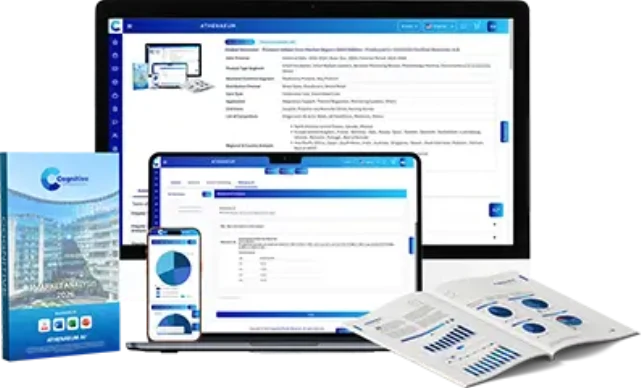
Athenaeum AI Dashboard
Our Proprietary Methodology
Cognitive Market Research and Consulting "The Full Truth" methodology — a rigorous triangulation process that combines primary research, secondary validation, and expert calibration. Implemented by Supriya Yadav and team for the Drug Delivery Technologies Market Analysis Market analysis.
Primary Intelligence Gathering
Direct interviews with 50+ industry stakeholders including manufacturers, distributors, end-users, and regulatory bodies across all six regions.
Secondary Data Triangulation
Cross-referencing against trade databases, customs records, financial filings, patent databases, and verified industry publications.
Expert Validation Protocol
Each data point undergoes validation by minimum two independent domain experts with 15+ years of industry experience.
Athenaeum AI Processing
Our proprietary AI platform aggregates, normalizes, and identifies patterns across 10,000+ data points to surface non-obvious insights.
Editorial & QA Review
Final review by senior analysts ensures accuracy, coherence, and actionability of all insights and recommendations.
Data Assurance Metrics
Analytical Coverage
To maintain the integrity of our proprietary methodology and protect our elite expert network, specific source disclosures are reserved for full-access partners. Our research framework is anchored by a 70:30 primary-to-secondary ratio, ensuring your strategy is driven by real-time market intelligence rather than recycled, publicly available, or AI-generated data. Every deliverable includes an exhaustive source directory and grants direct analyst access.
Sources from the Medical Devices & Consumables Industry
The Three Pillars of End-to-End Market Research Services
We don't just hand over data. We partner with your team across three integrated service lines — each designed to give you decision-grade intelligence on the Drug Delivery Technologies Market Analysis market.
Market Survey
Structured primary research across both B2B and B2C channels. We design and execute custom surveys targeting manufacturers, distributors, procurement heads, and end-consumers in the drug delivery technologies market analysis ecosystem — validated by our global panel of 10,000+ industrial respondents.
- Buyer intent & sentiment analysis
- Purchase cycle mapping
- Price sensitivity research
- Channel preference profiling
- Competitive perception study
Customized Market Data & Reports
Choose from our ready-to-access 8th Edition report or commission a fully customized dataset tailored to your exact strategic questions. Cross-splits, custom geographies, proprietary segmentation — we build the intelligence asset your board actually needs.
- Ready syndicate report
- Custom data scope & segmentation
- Excel quantitative models
- Board-ready PPT with key findings
- Secure cloud portal access
Strategic Consultation
Every survey and every report comes with dedicated analyst consultation. Our senior research team walks your leadership through findings, answers strategic questions in real-time, and helps translate data into your next board presentation or investment thesis.
- Dedicated analyst assigned to you
- Live walkthrough of findings
- Strategic Q&A sessions
- Go-to-market recommendations
- NDA-protected engagement
Customize This Report
Tell us the specific segments, regions, or companies you need — and we will tailor the deliverable to your requirements.