Blog Content
Moving Past the Hype: AI as a Factory Floor Asset in 2026
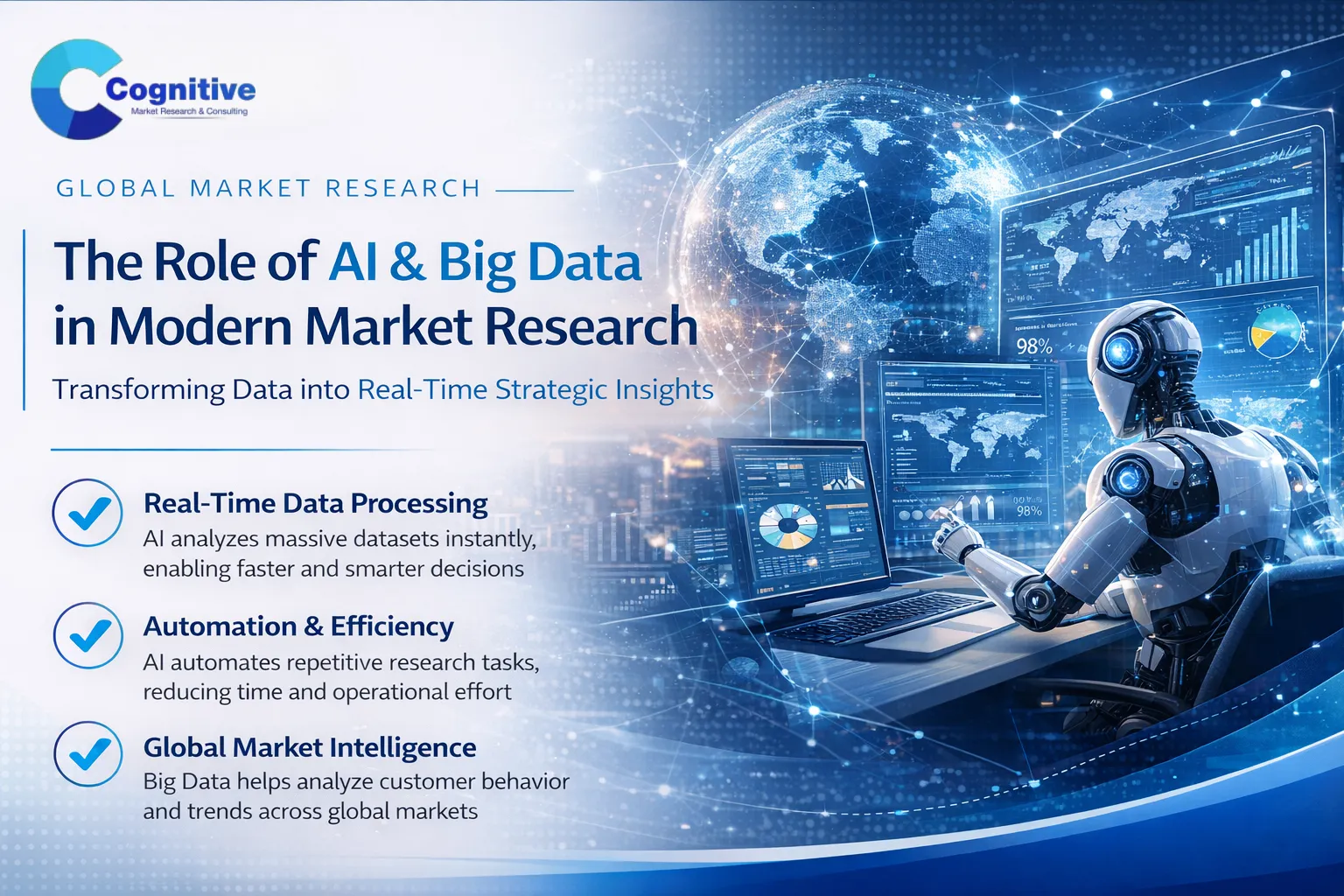
Back in the early 2020s, a lot of people thought AI was just for marketing or writing emails. But in 2026, it’s migrated right into the heart of the enterprise. We’re seeing a massive shift where our clients aren't just using data to see the market they’re using it to simulate and predict it before they even move a single pallet of product. For a modern manufacturer, the combo of Big Data and AI is creating three major competitive advantages that I think you should be focusing on.
1. Generative Market Simulation (GMS)
The days of reading a static PDF report from six months ago are over. In 2026, we’ve replaced those with Generative Market Simulations. We take decades of trade history, layer in real-time geopolitical shifts, and add current raw material indices to create what we call Synthetic Market Environments.
For you, this means you can essentially test-drive a price hike or a new product launch in a virtual version of your specific industry. You can see how the market might react before you ever commit a cent of actual capital. You’re no longer reacting to last quarter's disasters; you’re optimizing for next year's opportunities.
2. Digital Twins of the Customer (DToC)
Big Data has gotten a lot more personal. We’ve moved way beyond just tracking old purchase orders. Now, we’re helping manufacturers build Digital Twins of their actual B2B customers. By pulling data from IoT-connected machines, service logs, and supply chain ripples, the AI can actually tell you when your client’s equipment is about to fail or when they’re about to run out of stock.
This changes the whole Sales game. In 2026, you aren't a vendor; you’re a partner. You're calling your customer to offer a replacement part before they even knew they needed it. That’s how you build real loyalty in this day and age.
3. Industrial-Scale Sentiment Analysis
It used to be nearly impossible to figure out what people really thought about you in the B2B world. Today, we have AI-driven Natural Language Processing that scans everything industrial forums, trade show transcripts, patent filings, and even LinkedIn rants.
Think of it as an early warning system. If people are starting to get annoyed with a specific type of alloy or if there’s a sudden buzz around a new sustainable packaging method, you’ll hear about it months before it ever hits a formal survey. In 2026, listening to the market is an automated, high-speed process.
4. Supply Chain Orchestration and N-Tier Transparency
The chaos of the last few years taught us that knowing your direct supplier isn't enough. In 2026, Big Data gives us N-Tier transparency. Our AI models can now map out the entire global web, spotting a bottleneck in a Tier-3 supplier in another country that might eventually halt your specific line.
Most of our clients are now using Dynamic Sourcing. If the AI spots a climate event or a strike in a certain region, it can automatically trigger a backup contract with a different supplier. It’s not just managing data; it’s automated survival.
5. Ethical AI and the Value of Clean Data
As your research partner, I have to mention that 2026 is also the year of Data Sovereignty. With new AI regulations popping up everywhere, you have to be careful. The goal has shifted from get as much data as possible to get the right data. Clean, high-integrity datasets are now worth way more than a massive pile of unorganized junk. Manufacturers who take the time to keep their Data Hygiene high are finding that their AI models are way more accurate than their competitors' models.
Conclusion
The gap between manufacturers who are Data-Driven and those who are Intuition-Led is becoming a canyon. This year, intuition is what you use to set the big vision, but AI and Big Data are what you use to actually execute that vision with surgical precision. At Cognitive Market Research, our job is to help you bridge that gap. We don’t just hand you a spreadsheet; we give you the lens to see what that data actually means for your bottom line.