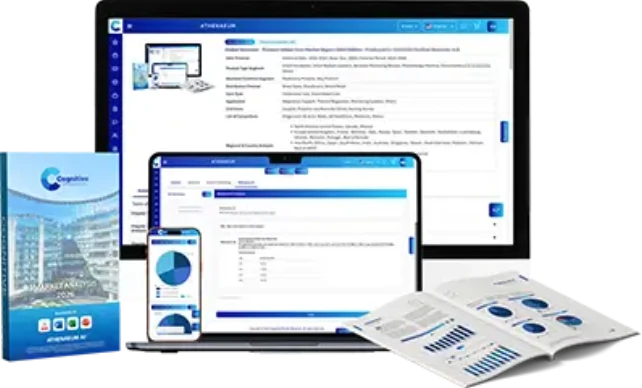
Automobile and Transportation Market Analysis from 2022 to 2034 Containing Market Size, Share along with its CAGR, Forecast and Trends
Top Countries — Revenue
Access the full forecast model.
Country-level data · Company profiles · Editable dataset · Analyst consultation included.
Automobile and Transportation Market Analysis — Presence
Geographical Analysis
Click countries to exploreRegional and Country Analysis
Global Automobile and Transportation Market Analysis 2026
| Region / Country | 2021 (A) | 2025 (A) | 2033 (P) | CAGR |
|---|---|---|---|---|
| Global | xxxx | xxxx | xxxx | xxxx |
| North America | xxxx | xxxx | xxxx | xxxx |
| United States | xxxx | xxxx | xxxx | xxxx |
| Canada | xxxx | xxxx | xxxx | xxxx |
| Mexico | xxxx | xxxx | xxxx | xxxx |
| Europe | xxxx | xxxx | xxxx | xxxx |
| United Kingdom | xxxx | xxxx | xxxx | xxxx |
| France | xxxx | xxxx | xxxx | xxxx |
| Germany | xxxx | xxxx | xxxx | xxxx |
| Italy | xxxx | xxxx | xxxx | xxxx |
| Russia | xxxx | xxxx | xxxx | xxxx |
| Spain | xxxx | xxxx | xxxx | xxxx |
| Sweden | xxxx | xxxx | xxxx | xxxx |
| Denmark | xxxx | xxxx | xxxx | xxxx |
| Switzerland | xxxx | xxxx | xxxx | xxxx |
| Luxembourg | xxxx | xxxx | xxxx | xxxx |
| Rest of Europe | xxxx | xxxx | xxxx | xxxx |
| Asia Pacific | xxxx | xxxx | xxxx | xxxx |
| China | xxxx | xxxx | xxxx | xxxx |
| Japan | xxxx | xxxx | xxxx | xxxx |
| South Korea | xxxx | xxxx | xxxx | xxxx |
| India | xxxx | xxxx | xxxx | xxxx |
| Australia | xxxx | xxxx | xxxx | xxxx |
| Singapore | xxxx | xxxx | xxxx | xxxx |
| Taiwan | xxxx | xxxx | xxxx | xxxx |
| South East Asia | xxxx | xxxx | xxxx | xxxx |
| Rest of APAC | xxxx | xxxx | xxxx | xxxx |
| South America | xxxx | xxxx | xxxx | xxxx |
| Brazil | xxxx | xxxx | xxxx | xxxx |
| Argentina | xxxx | xxxx | xxxx | xxxx |
| Colombia | xxxx | xxxx | xxxx | xxxx |
| Peru | xxxx | xxxx | xxxx | xxxx |
| Chile | xxxx | xxxx | xxxx | xxxx |
| Rest of South America | xxxx | xxxx | xxxx | xxxx |
| Middle East | xxxx | xxxx | xxxx | xxxx |
| Saudi Arabia | xxxx | xxxx | xxxx | xxxx |
| Turkey | xxxx | xxxx | xxxx | xxxx |
| UAE | xxxx | xxxx | xxxx | xxxx |
| Egypt | xxxx | xxxx | xxxx | xxxx |
| Qatar | xxxx | xxxx | xxxx | xxxx |
| Rest of Middle East | xxxx | xxxx | xxxx | xxxx |
| Africa | xxxx | xxxx | xxxx | xxxx |
| East Africa | xxxx | xxxx | xxxx | xxxx |
| West Africa | xxxx | xxxx | xxxx | xxxx |
| North Africa | xxxx | xxxx | xxxx | xxxx |
| South Africa | xxxx | xxxx | xxxx | xxxx |
A = Actual · E = Estimated · P = Projected · 🔒 Locked values require full access. Click headers to sort.
Unlock full regional dataset →Segmentation Analysis
Vehicle Type breakdown · Illustrative 2025 shares shown free · Full-period forecast in paid report.
Disclaimer: The charts and graphs are for illustrative purposes only and do not represent actual market values. To access accurate quantitative data, please request a paid report or request free sample.
To learn more about market share and segmentation, request the free sample pages.
Competitor Analysis
Our competitive landscape analysis for the Automobile and Transportation Market Analysis market offers a thorough examination of the key players in the Automobile and Transportation industry. This section details market share distribution, identifies industry leaders, and explores their competitive strategies, including M&A, strategic alliances, and product innovation. We provide key financial performance indicators (revenue, gross margin) for top companies from 2021 to 2033 and include a detailed SWOT analysis for each. Furthermore, the report assesses recent company developments and their responses to industry challenges, such as digital transformation initiatives and operational efficiency improvements. This complete view of the competitive environment is designed to support informed strategic decision-making.
| Top Companies (In no particular order) | 2022 (A) | 2023 (A) | 2024 (A) | 2025 (A) |
|---|---|---|---|---|
| Toyota Motor Corporation | ••• | ••• | ••• | ••• |
| Volkswagen Group | ••• | ••• | ••• | ••• |
| General Motors | ••• | ••• | ••• | ••• |
| Ford Motor Company | ••• | ••• | ••• | ••• |
| Tesla Inc. | ••• | ••• | ••• | ••• |
| Daimler AG | ••• | ••• | ••• | ••• |
| Volvo Group | ••• | ••• | ••• | ••• |
| Honda Motor Co. Ltd. | ••• | ••• | ••• | ••• |
| Hyundai Motor Company | ••• | ••• | ••• | ••• |
| BYD Company Ltd. | ••• | ••• | ••• | ••• |
| NIO Inc. | ••• | ••• | ••• | ••• |
| Tata Motors | ••• | ••• | ••• | ••• |
| Waymo | ••• | ••• | ••• | ••• |
| FedEx Corporation | ••• | ••• | ••• | ••• |
| Others | ••• | ••• | ••• | ••• |
We Provide Regional Breakdown of this Companies and Company specific to any Country, Region, Product/ service as well. We cover market share analysis for publicly listed companies as well as privately held companies, subject to data availability.
Request company profile for validation →Report Scope & Analysis
Automotive and Transportation Market Overview
The automotive and transportation market is a fundamental component of the global economy, as it is essential for the transportation of products and individuals. The industry continue to recover and expand in 2024, following the disruptions caused by the COVID-19 pandemic. The International Energy Agency (IEA) states that global car sales surpassed 85 million units in 2023, reaching 88 million units in 2024. This expansion is stimulated by government incentives that encourage the use of electric vehicles (EVs), technological advancements, and heightened consumer demand.
Electric vehicles are spearheading the automotive industry's transformation. EV sales exceeded 10 million units in 2023, a 35% increase from the previous year. This upward trajectoryis persist in 2024, with EV sales surpass 12 million units. The United States, Europe, and China are the primary markets that are driving this growth. China remains the greatest EV market, with over 50% of global EV sales in 2023. Germany, Norway, and the United Kingdom are among the European countries that are leading the way in this regard, owing to their substantial subsidies and stringent emission regulations. Additionally, there is substantial expansion within the commercial vehicle market. Global commercial vehicle sales increased from 25 million units in 2022 to 27 million units in 2023. The demand for logistics and delivery services has increased as a result of the e-commerce surge, which is a significant factor in this growth. In an effort to mitigate their operational expenses and carbon footprint, organizations such as FedEx and Amazon are making substantial investments in electric delivery vehicles and trailers.
Additionally, the automotive market is experiencing an increase in the development of autonomous and connected vehicle technologies. The global connected cars market size was 53 billion in 2023 and USD 75 billion in 2024, with a compound annual growth rate (CAGR) of 19.7%. Despite the fact that autonomous vehicles are still in the developmental phase, they are attracting substantial investment. Advancements in AI and sensor technologies propel the autonomous vehicle market to market size USD 67 billion in 2024 from its market size of USD 54 billion in 2023.
Top Countries Contributing in Automotive and Transportation Market
China
In 2023, China sold over 21 million passenger automobiles and 5 million commercial vehicles, accounting for 30% of global car sales. It is the world's largest automotive market. Increasing consumer demand and government policies that promote electric vehicles (EVs) are driving the market's robust growth. In 2023, the number of electric vehicles (EVs) sold in China surpassed 5 million units, a result of significant government subsidies, a comprehensive charging infrastructure, and advancements in battery technology. China is the global champion in the adoption of electric vehicles (EVs) due to the leadership of companies such as BYD, NIO, and Geely in the EV field. The commercial vehicle segment in China is also experiencing rapid growth, which is being facilitated by the rapid development of infrastructure and the thriving e-commerce industry. The commercial sector is further stimulated by the country's "New Infrastructure" initiative, which emphasizes the development of new energy vehicles and digital transportation. The logistics and delivery markets are substantial contributors, as companies invest significantly in electric delivery vans and trucks to improve efficiency and reduce emissions.
United States
According to cognitive market research, The United States is a significant participant in the automotive industry, with vehicle sales reached 17 million units in 2023, accounting for 19% of the global market share. The robust demand for pickups and SUVs dominates the passenger vehicle segment. The electric vehicle (EV) market, on the other hand, is the primary growth driver, with EV sales surpassing 1 million units in 2023, a 50% increase from the previous year. The success of companies such as Tesla, which alone accounted for over 60% of EV sales in the U.S., is the driving force behind this growth. In the United States, the logistics and delivery markets are also significant, driving the commercial vehicle segment. The e-commerce growth has resulted in a surge in the demand for delivery trucks and vans, prompting companies such as FedEx and Amazon to invest in autonomous and electric delivery fleets. Major tech companies and automakers are investing significantly in research and development in the United States, which is also at the forefront of autonomous vehicle development. Advancements in AI and sensor technologies propel the autonomous vehicle market to market size USD 67 billion in 2024 from its market size USD 54 billion in 2023.
Japan
Japan is a global leader in the automotive industry, with vehicle sales of 4.3 million units in 2023, accounting for 5% of the global market share. Known for their innovation and quality, the nation is home to automotive titans like Toyota, Honda, and Nissan. The hybrid vehicle segment is a significant contributor to development, with hybrids comprising more than 40% of domestic car sales. For example, Toyota's Prius remains a best-seller, which is indicative of the nation's dedication to environmental sustainability and fuel efficiency. Logistics and delivery services are also significant drivers of the commercial vehicle segment in Japan. The nation is a significant exporter of commercial vehicles due to its high-quality production standards and advanced manufacturing techniques. Furthermore, Japan is making substantial investments in hydrogen fuel cell vehicles and autonomous driving technologies. The Mirai and Clarity models are the market leaders, and Toyota and Honda are among the companies that are at the vanguard of hydrogen fuel cell technology development. The Japan's hydrogen fuel cell vehicle market size was USD 1 billion in 2023 and is experiencing substantial growth as infrastructure continues to be developed.
Germany
Around 3.5 million vehicles were sold in 2023 in Germany, the largest automotive market in Europe, which accounts for 4% of the global market share. Volkswagen, BMW, and Mercedes-Benz are among the premium vehicle manufacturers in the country, and they are distinguished for their exceptional engineering and quality. In 2023, the electric vehicle (EV) market in Germany was expand rapidly, with EV sales surpassed 500,000 units, bolstered by a robust charging infrastructure and government incentives. The logistics and transportation markets are also the driving forces behind the robust commercial vehicle segment in Germany. The commercial vehicle market is further bolstered by the country's strategic location in Europe, which serves as a critical logistics gateway. Germany is a pioneer in the development of automotive technologies, with a particular emphasis on autonomous and connected vehicles. As manufacturers incorporate advanced connectivity features into their vehicles, the market for connected cars in Germany is expand significantly. In 2023, the market size was USD 12 billion.
India
As per CMR, In 2023, India's automotive market reach 4 million units, representing a 4.5% share of the global market. The passenger vehicle segment is the primary driver of growth, as there is a growing demand for affordable and compact cars. This segment is significantly influenced by major domestic manufacturers such as Maruti Suzuki and Tata Motors, which provide a variety of fuel-efficient and affordable vehicles. Infrastructure development and the logistics market are also contributing to the expansion of the commercial vehicle market in India. The demand for commercial vehicles has increased as a result of the government's emphasis on the improvement of road infrastructure and the promotion of economic growth. The construction and logistics industries were the primary drivers of commercial vehicle sales in 2023, which totaled one million units.
United Kingdom
In 2023, the United Kingdom sold 2.3 million vehicles, which accounted for 2.6% of the global market share. The automotive market in the country is distinguished by a rapidly expanding electric vehicle (EV) segment and a robust demand for premium automobiles. The United Kingdom's electric vehicle (EV) sales surpassed 350,000 units in 2023, a result of the expansion of charging infrastructure, government incentives, and the growing environmental consciousness of consumers. Jaguar Land Rover has introduced electric versions of its luxury vehicles, while Nissan, with its Leaf model, is a major participant in the EV market. With substantial investments in research and development, the United Kingdom is emphasizing autonomous and connected vehicle technologies. Pilot projects are currently underway in numerous cities, and the government has implemented policies to facilitate the testing and deployment of autonomous vehicles. In 2023, the UK connected cars market size was USD 8 billion and the market is experiencing substantial growth as manufacturers incorporate advanced connectivity features into their vehicles.
France
In 2023, France sold 2.2 million vehicles, which accounts for 2.5% of the global market share. The automotive market of the country is distinguished by a robust demand for electric vehicles (EVs), with EV sales surpassing 300,000 units in 2023. This growth is primarily driven by a growing network of charging stations, stringent emission regulations, and government incentives. The EV segment is being led by major French manufacturers such as Renault and Peugeot, which offer popular models such as the Renault Zoe and Peugeot e-208. A robust manufacturing base and a well-developed supply chain network bolster the automotive industry in France. Continuous innovation, notably in the fields of electric and autonomous vehicle technologies, is guaranteed by the nation's emphasis on research and development. In 2023, the market for connected cars in France was worth USD 10 billion. The market is experiencing substantial growth as automakers incorporate sophisticated connectivity features into their vehicles.
Italy
In 2023, Italy sold 1.9 million vehicles, which accounted for 2.2% of the global market share. The automotive market in the country is diverse, with a strong demand for both electric vehicles (EVs) and conventional internal combustion engine vehicles. In 2023, the expansion of charging infrastructure and government incentives facilitated the sale of 150,000 electric vehicles (EVs) in Italy. Lamborghini and Fiat are two of the most significant Italian manufacturers in the automotive industry. Lamborghini is a leader in the prestige car segment, while Fiat concentrates on affordable and compact vehicles. A robust manufacturing base and a well-developed supply chain network bolster the automotive industry in Italy. Continuous advancements in vehicle technology and aesthetics are guaranteed by the nation's emphasis on innovation and design. The Italy's connected cars market size was USD 6 billion in 2023 and is experiencing substantial growth as manufacturers incorporate advanced connectivity features into their vehicles.
Brazil
In 2023, Brazil's automotive market was the largest in South America, with 2.1 million units sold, representing 2.4% of the global market share. The passenger vehicle segment is the primary driver of development, as there is a growing demand for compact and affordable cars. The Brazilian market is significantly influenced by major manufacturers such as Volkswagen, Fiat, and General Motors, which provide a variety of fuel-efficient and affordable vehicles. The logistics and transportation markets in Brazil also contribute to the substantial commercial vehicle segment. The demand for commercial vehicles, particularly trucks and buses, is fueled by the country's expanding economy and expansive geography. EV sales in Brazil have reached 50,000 units in 2023, and the country is experiencing a gradual increase in the proliferation of electric vehicles. Infrastructure development remains a challenge despite the government's efforts to promote electric mobility through a variety of policies and incentives.
Canada
In 2023, Canada sold 1.9 million vehicles, which accounted for 2.2% of the global market. The passenger vehicle segment is dominated by SUVs and pickups, which are in high demand in the country's automotive market. The electric vehicle (EV) market is also expanding, with EV sales exceeding 200,000 units in 2023, bolstered by government incentives and the expansion of charging infrastructure. Tesla, with its Model 3 and Model Y, and domestic manufacturers such as Lion Electric, which concentrate on electric buses and trucks, are among the most significant participants in the EV market. The automotive industry in Canada is bolstered by a robust innovation ecosystem, which is characterized by the collaboration of top universities and research institutions with manufacturers to facilitate technological advancements. As manufacturers incorporate advanced connectivity features into their vehicles, the market for connected cars in Canada is expand significantly. In 2023, the market size was USD 5 billion.
Key Players of Automotive and Transportation Market
Toyota Motor Corporation
Known for its dedication to sustainability, innovation, and quality, Toyota Motor Corporation is one of the world's largest manufacturers. Toyota's global vehicle sales in 2023 totaled 10.5 million units, resulting in a market share of 10.2%. Toyota's Lexus brand offers a wide variety of luxury automobiles, commercial vehicles, and passenger vehicles. The Corolla, Camry, and RAV4 are among the most popular models in Toyota's passenger vehicle segment. The Toyota Corolla, which is one of the most popular automobiles worldwide, experienced substantial sales, which bolstered the company's market presence. The RAV4 continues to be the most popular SUV, which is indicative of the strong consumer preference for crossover vehicles. Toyota is a pioneer in hybrid technology, and the Prius is one of the most successful and earliest hybrid models. Toyota's importance in this segment was underscored by its sale of more than 2.1 million hybrid vehicles in 2023. The Toyota Mirai is a prime example of the company's dedication to sustainability, which is further demonstrated by its development of hydrogen fuel cell vehicles and electric vehicles (EVs). Toyota's operations are segmented into financial services, automotive operations, and other business operations. The company's total revenue in 2023 was made up of 90% of automotive operations, which encompass the design, manufacturing, and sale of vehicles. Toyota's stable revenue streams are also significantly influenced by financial services, which encompass vehicle financing and leasing.
Volkswagen Group
Volkswagen Group is one of the most diversified and largest automotive manufacturers in the globe. The company's global market share was 9%, with an 9.3 million vehicles sold in 2023. Volkswagen's portfolio comprises an extensive assortment of brands, each of which caters to distinct market segments, including prestige and economy. The Golf, Passat, and Tiguan are among the most popular models in Volkswagen's passenger vehicle lineup. The Golf continues to be one of the most popular models in Europe, which is indicative of the brand's robust market position. The Tiguan, a compact SUV, continues to demonstrate exceptional performance in the expanding crossover segment. Volkswagen has made substantial progress in the electric vehicle (EV) market with its ID. Series, which includes ID.3 and ID.4. Volkswagen's dedication to electrification was evident in the sale of more than 500,000 electric vehicles in 2023. The company's objective is to establish itself as a leader in the electric vehicle (EV) market by introducing a variety of new models and increasing its EV production capacity. Volkswagen's operations are segmented into two primary categories: Automotive and Financial Services. In 2023, the automotive segment, which encompasses vehicle manufacturing and sales, accounted for 85% of the total revenue. Volkswagen's sales operations and customer retention are facilitated by the Financial Services segment, which offers vehicle financing, leasing, and insurance.
General Motors
General Motors (GM) is a prominent American automotive manufacturer with a robust global presence. GM's global market share was 7.4% in 2023, with an 7.6 million vehicles sold worldwide. Chevrolet, GMC, Cadillac, and Buick comprise GM's varied portfolio, each of which serves distinct market segments. GM's operations are segmented into financial services, automotive, and cruise. In 2023, the Automotive segment, which encompasses vehicle manufacturing and sales, generated 90% of GM's total revenue. GM Financial contributes to stable revenue streams by offering financing solutions. Cruise, GM's autonomous vehicle subsidiary, is dedicated to the advancement of self-driving technology and services. Cadillac is the dominant brand in General Motors' prestige segment, offering models including the Escalade, XT5, and CT5. Cadillac is establishing itself as a leader in the luxury electric vehicle market by introducing the Lyriq and the forthcoming Celestia, which are equipped with premium features and advanced technology. Light and heavy-duty trucks, trailers, and fleet vehicles comprise General Motors' commercial vehicle portfolio. Businesses that necessitate durable and dependable commercial vehicles frequently opt for the Chevrolet Express and GMC Sierra. GM is also broadening its electric commercial vehicle lineup with the introduction of the BrightDrop EV600, an electric delivery van.
Ford Motor Company
Ford Motor Company remains a significant participant in the global market, having been a pioneer in the automotive industry. Ford's global market share was 6% in 2023, with the sale of 6.2 million vehicles worldwide. Ford's Lincoln brand provides a wide range of luxury automobiles, commercial vehicles, and passenger vehicles. Ford operates through numerous segments, including Ford Credit, Mobility, and Automotive. In 2023, Ford's total revenue was based on the Automotive segment, which includes vehicle manufacturing and sales, which accounted for 85%. Ford Credit offers vehicle financing, leasing, and insurance services, while the Mobility segment concentrates on the development of transportation services and solutions. Ford is making substantial strides in the electric vehicle (EV) market with the Mustang Mach-E and the forthcoming F-150 Lightning. Ford's dedication to electrification was evident in its 2023 sales of more than 200,000 electric vehicles. Ford intends to expand its electric vehicle lineup and enhance its production capacity by investing USD 22 billion in electrification through 2025. In 2023, Ford's research and development (R&D) expenditures exceed USD 8 billion. Electric mobility, autonomous transportation, and connectivity comprise the primary focus areas. Ford's BlueCruise is a cutting-edge, hands-free driving technology that has been specifically engineered to improve road safety and motorist convenience.
Daimler AG
Daimler AG, a German multinational automotive corporation, is recognized for its commercial vehicles, luxury vehicles, and services. Daimler's global market share was 3% in 2023, with the sale of 3 million vehicles worldwide. Mercedes-Benz and Freightliner are among the prominent trademarks in the company's portfolio. Daimler's operations are segmented into Mercedes-Benz Cars, Daimler Trucks & Buses, and Daimler Mobility. In 2023, the Mercedes-Benz Cars segment, which encompasses prestige and passenger vehicles, generated 60% of Daimler's total revenue. Daimler Trucks & Buses concentrates on commercial vehicles, while Daimler Mobility provides financial and mobility services. Daimler is making substantial progress in the electric vehicle (EV) market with its EQ series, which encompasses the EQC and the EQS. Daimler's dedication to electrification was evident in the sale of more than 150,000 electric vehicles in 2023. The EQS, a luxury electric sedan, exemplifies Daimler's innovation in EV technology and design. Daimler efficiently serves a wide range of markets by operating manufacturing facilities in more than 17 countries. Daimler's production volume was 3 million units in 2023. The organization's global presence facilitates the management of supply chains and the fulfillment of regional market requirements.
The automobile and transportation industry is in the midst of a major shift, driven by advancements in sustainable and intelligent mobility. Key drivers for the Automobile and Transportation Market Analysis market include the move to electrification (EVs, hybrids), breakthroughs in autonomous driving, and the rise of connected vehicles powered by IoT and AI. These technologies are enhancing everything from personal transport to fleet management and last-mile delivery. However, the industry faces challenges, primarily from strict emissions regulations and evolving compliance standards, as well as growing cybersecurity and data privacy concerns. Despite these obstacles, significant opportunities exist for companies that can innovate and adapt. By capitalizing on the trends toward sustainable technology and intelligent mobility solutions, businesses in the Automobile and Transportation Market Analysis market can secure a strong competitive position for future growth.
Analyst Conclusion
Our study will explain complete manufacturing process along with major raw materials required to manufacture end-product. This report helps to make effective decisions determining product position and will assist you to understand opportunities and threats around the globe.
The Automobile and Transportation Market Analysis is witnessing significant growth in the near future.
In 2023, the Passenger Vehicles segment accounted for a notable share of the Automobile and Transportation Market Analysis.

Sneha Singh is a Research Analyst at Cognitive Market Research & Consulting with a strong focus on the Automotive & Transportation and Transport & Logistics sectors. She supports organizations with strategic market insights and industry intelligence, helping businesses understand market dynamics, evaluate emerging opportunities, and make informed decisions in an increasingly evolving transportation landscape.
Sneha brings extensive experience in market assessment, competitive benchmarking, supply chain analysis, customer and stakeholder research, regulatory evaluation, and industry trend monitoring. Her work involves a combination of primary and secondary research methodologies, including expert interviews, stakeholder surveys, and comprehensive analysis of industry data, enabling clients to gain a holistic understanding of market developments and growth potential.
At Cognitive Market Research & Consulting, she contributes to market research reports, custom consulting projects, and survey-based studies across a broad range of segments, including passenger vehicles, commercial vehicles, electric mobility, automotive components, freight transportation, warehousing, logistics services, and supply chain technologies. Her research helps organizations evaluate market potential, understand competitive landscapes, assess investment opportunities, and develop effective business strategies.
Known for her analytical approach and attention to detail, Sneha transforms complex market information into actionable insights that support strategic planning and long-term growth. Her commitment to research excellence enables clients to navigate industry challenges, capitalize on emerging trends, and build sustainable competitive advantages in global transportation and logistics markets.
Frequently Asked Questions
★ Reviews
Rate this report
Automobile and Transportation Market Analysis — Table of Contents
- This is just a redacted sample pages of the actual deliverable report and only for representative purposes
- Charts/Graphs/Numbers/data are only for Representative purposes and do not depict actual statistics.
- The table of Contents differs according to the user License selection. Current Displayed TOC is for the Corporate User License Report Edition. TOC Customization options: Add or Remove section/s Or chapter/s from the report.
- Specific Tables, Graphs, Sections, and Chapters can be ordered at a discounted price.
- If applicable; On Request Volume Data will also be provided (at an Additional Cost).
Report Scope
| Vehicle Type | Passenger Vehicles, Commercial Vehicles, Two-wheelers, Off-road Vehicles |
|---|---|
| Fuel Type | Gasoline/Petrol Vehicles, Diesel Vehicles, Electric Vehicles (EVs), Hybrid Vehicles (HEVs), Others |
| Application | Personal Use, Commercial Use |
| End User | Individual Consumers, Fleet Operators, Government & Public Sector, Corporate/Business Customers |
| Sales Channel | Direct, Indirect |
| List of Competitors | Toyota Motor Corporation, Volkswagen Group, General Motors, Ford Motor Company, Tesla Inc., Daimler AG, Volvo Group, Honda Motor Co. Ltd., Hyundai Motor Company, BYD Company Ltd., NIO Inc., Tata Motors, Waymo, FedEx Corporation, Others |
Chapter 1. Competitor Analysis (Subject to Data Availability (Private Players))
- 1.1 Top Competitors Analysis
- 1.1.1 Global Automobile and Transportation Market Analysis by Key Players
- 1.1.2 Segment Market Analysis by Key Players
- 1.1.3 Top Players Ranking 2024
- 1.1.4 New Product Launch Analysis
- 1.1.5 Industry Mergers and Acquisition Analysis
- 1.2 Company Profile (Data Subject to Availability) Sample Format
- 1.2.1 Toyota Motor Corporation
- 1.2.1.1 Company Basic Information, Manufacturing Base, Sales Area, and Competitors
- 1.2.1.2 Business Overview
- 1.2.1.3 Financials (Subject to data availability)
- 1.2.1.4 R&D Investment (Subject to data availability)
- 1.2.1.5 Product Types Specification
- 1.2.1.6 Business Strategy
- 1.2.1.7 Recent Developments
- 1.2.1.8 Management Change
- 1.2.1.9 S.W.O.T Analysis
- 1.2.2 Volkswagen Group
- 1.2.2.1 Company Basic Information, Manufacturing Base, Sales Area, and Competitors
- 1.2.2.2 Business Overview
- 1.2.2.3 Financials (Subject to data availability)
- 1.2.2.4 R&D Investment (Subject to data availability)
- 1.2.2.5 Product Types Specification
- 1.2.2.6 Business Strategy
- 1.2.2.7 Recent Developments
- 1.2.2.8 Management Change
- 1.2.2.9 S.W.O.T Analysis
- 1.2.3 General Motors
- 1.2.3.1 Company Basic Information, Manufacturing Base, Sales Area, and Competitors
- 1.2.3.2 Business Overview
- 1.2.3.3 Financials (Subject to data availability)
- 1.2.3.4 R&D Investment (Subject to data availability)
- 1.2.3.5 Product Types Specification
- 1.2.3.6 Business Strategy
- 1.2.3.7 Recent Developments
- 1.2.3.8 Management Change
- 1.2.3.9 S.W.O.T Analysis
- 1.2.4 Ford Motor Company
- 1.2.4.1 Company Basic Information, Manufacturing Base, Sales Area, and Competitors
- 1.2.4.2 Business Overview
- 1.2.4.3 Financials (Subject to data availability)
- 1.2.4.4 R&D Investment (Subject to data availability)
- 1.2.4.5 Product Types Specification
- 1.2.4.6 Business Strategy
- 1.2.4.7 Recent Developments
- 1.2.4.8 Management Change
- 1.2.4.9 S.W.O.T Analysis
- 1.2.5 Tesla Inc.
- 1.2.5.1 Company Basic Information, Manufacturing Base, Sales Area, and Competitors
- 1.2.5.2 Business Overview
- 1.2.5.3 Financials (Subject to data availability)
- 1.2.5.4 R&D Investment (Subject to data availability)
- 1.2.5.5 Product Types Specification
- 1.2.5.6 Business Strategy
- 1.2.5.7 Recent Developments
- 1.2.5.8 Management Change
- 1.2.5.9 S.W.O.T Analysis
- 1.2.6 Daimler AG
- 1.2.6.1 Company Basic Information, Manufacturing Base, Sales Area, and Competitors
- 1.2.6.2 Business Overview
- 1.2.6.3 Financials (Subject to data availability)
- 1.2.6.4 R&D Investment (Subject to data availability)
- 1.2.6.5 Product Types Specification
- 1.2.6.6 Business Strategy
- 1.2.6.7 Recent Developments
- 1.2.6.8 Management Change
- 1.2.6.9 S.W.O.T Analysis
- 1.2.7 Volvo Group
- 1.2.7.1 Company Basic Information, Manufacturing Base, Sales Area, and Competitors
- 1.2.7.2 Business Overview
- 1.2.7.3 Financials (Subject to data availability)
- 1.2.7.4 R&D Investment (Subject to data availability)
- 1.2.7.5 Product Types Specification
- 1.2.7.6 Business Strategy
- 1.2.7.7 Recent Developments
- 1.2.7.8 Management Change
- 1.2.7.9 S.W.O.T Analysis
- 1.2.8 Honda Motor Co. Ltd.
- 1.2.8.1 Company Basic Information, Manufacturing Base, Sales Area, and Competitors
- 1.2.8.2 Business Overview
- 1.2.8.3 Financials (Subject to data availability)
- 1.2.8.4 R&D Investment (Subject to data availability)
- 1.2.8.5 Product Types Specification
- 1.2.8.6 Business Strategy
- 1.2.8.7 Recent Developments
- 1.2.8.8 Management Change
- 1.2.8.9 S.W.O.T Analysis
- 1.2.9 Hyundai Motor Company
- 1.2.9.1 Company Basic Information, Manufacturing Base, Sales Area, and Competitors
- 1.2.9.2 Business Overview
- 1.2.9.3 Financials (Subject to data availability)
- 1.2.9.4 R&D Investment (Subject to data availability)
- 1.2.9.5 Product Types Specification
- 1.2.9.6 Business Strategy
- 1.2.9.7 Recent Developments
- 1.2.9.8 Management Change
- 1.2.9.9 S.W.O.T Analysis
- 1.2.10 BYD Company Ltd.
- 1.2.10.1 Company Basic Information, Manufacturing Base, Sales Area, and Competitors
- 1.2.10.2 Business Overview
- 1.2.10.3 Financials (Subject to data availability)
- 1.2.10.4 R&D Investment (Subject to data availability)
- 1.2.10.5 Product Types Specification
- 1.2.10.6 Business Strategy
- 1.2.10.7 Recent Developments
- 1.2.10.8 Management Change
- 1.2.10.9 S.W.O.T Analysis
- 1.2.11 NIO Inc.
- 1.2.11.1 Company Basic Information, Manufacturing Base, Sales Area, and Competitors
- 1.2.11.2 Business Overview
- 1.2.11.3 Financials (Subject to data availability)
- 1.2.11.4 R&D Investment (Subject to data availability)
- 1.2.11.5 Product Types Specification
- 1.2.11.6 Business Strategy
- 1.2.11.7 Recent Developments
- 1.2.11.8 Management Change
- 1.2.11.9 S.W.O.T Analysis
- 1.2.12 Tata Motors
- 1.2.12.1 Company Basic Information, Manufacturing Base, Sales Area, and Competitors
- 1.2.12.2 Business Overview
- 1.2.12.3 Financials (Subject to data availability)
- 1.2.12.4 R&D Investment (Subject to data availability)
- 1.2.12.5 Product Types Specification
- 1.2.12.6 Business Strategy
- 1.2.12.7 Recent Developments
- 1.2.12.8 Management Change
- 1.2.12.9 S.W.O.T Analysis
- 1.2.13 Waymo
- 1.2.13.1 Company Basic Information, Manufacturing Base, Sales Area, and Competitors
- 1.2.13.2 Business Overview
- 1.2.13.3 Financials (Subject to data availability)
- 1.2.13.4 R&D Investment (Subject to data availability)
- 1.2.13.5 Product Types Specification
- 1.2.13.6 Business Strategy
- 1.2.13.7 Recent Developments
- 1.2.13.8 Management Change
- 1.2.13.9 S.W.O.T Analysis
- 1.2.14 FedEx Corporation
- 1.2.14.1 Company Basic Information, Manufacturing Base, Sales Area, and Competitors
- 1.2.14.2 Business Overview
- 1.2.14.3 Financials (Subject to data availability)
- 1.2.14.4 R&D Investment (Subject to data availability)
- 1.2.14.5 Product Types Specification
- 1.2.14.6 Business Strategy
- 1.2.14.7 Recent Developments
- 1.2.14.8 Management Change
- 1.2.14.9 S.W.O.T Analysis
- 1.2.15 Others
- 1.2.15.1 Company Basic Information, Manufacturing Base, Sales Area, and Competitors
- 1.2.15.2 Business Overview
- 1.2.15.3 Financials (Subject to data availability)
- 1.2.15.4 R&D Investment (Subject to data availability)
- 1.2.15.5 Product Types Specification
- 1.2.15.6 Business Strategy
- 1.2.15.7 Recent Developments
- 1.2.15.8 Management Change
- 1.2.15.9 S.W.O.T Analysis
- 1.2.1 Toyota Motor Corporation
- 1.1 Top Competitors Analysis
Chapter 2. Global Automobile and Transportation Market Analysis
- 2.1 Global Automobile and Transportation Market Analysis
- 2.2 Global Automobile and Transportation Market Analysis by Region
- 2.3 Global Automobile and Transportation Market Analysis by Vehicle Type
- 2.4 Global Automobile and Transportation Market Analysis by Fuel Type
- 2.5 Global Automobile and Transportation Market Analysis by Application
- 2.6 Global Automobile and Transportation Market Analysis by End User
- 2.7 Global Automobile and Transportation Market Analysis by Sales Channel
- 2.8 Global Automobile and Transportation Market Analysis by Key Players
Chapter 3. North America Automobile and Transportation Market Analysis
- 3.1 North America Automobile and Transportation Market Analysis
- 3.2 North America Automobile and Transportation Market Analysis by Country
- 3.3 North America Automobile and Transportation Market Analysis by Vehicle Type
- 3.4 North America Automobile and Transportation Market Analysis by Fuel Type
- 3.5 North America Automobile and Transportation Market Analysis by Application
- 3.6 North America Automobile and Transportation Market Analysis by End User
- 3.7 North America Automobile and Transportation Market Analysis by Sales Channel
- 3.8 North America Automobile and Transportation Market Analysis by Key Players
Chapter 4. Europe Automobile and Transportation Market Analysis
- 4.1 Europe Automobile and Transportation Market Analysis
- 4.2 Europe Automobile and Transportation Market Analysis by Country
- 4.3 Europe Automobile and Transportation Market Analysis by Vehicle Type
- 4.4 Europe Automobile and Transportation Market Analysis by Fuel Type
- 4.5 Europe Automobile and Transportation Market Analysis by Application
- 4.6 Europe Automobile and Transportation Market Analysis by End User
- 4.7 Europe Automobile and Transportation Market Analysis by Sales Channel
- 4.8 Europe Automobile and Transportation Market Analysis by Key Players
Chapter 5. Asia Pacific Automobile and Transportation Market Analysis
- 5.1 Asia Pacific Automobile and Transportation Market Analysis
- 5.2 Asia Pacific Automobile and Transportation Market Analysis by Country
- 5.3 Asia Pacific Automobile and Transportation Market Analysis by Vehicle Type
- 5.4 Asia Pacific Automobile and Transportation Market Analysis by Fuel Type
- 5.5 Asia Pacific Automobile and Transportation Market Analysis by Application
- 5.6 Asia Pacific Automobile and Transportation Market Analysis by End User
- 5.7 Asia Pacific Automobile and Transportation Market Analysis by Sales Channel
- 5.8 Asia Pacific Automobile and Transportation Market Analysis by Key Players
Chapter 6. South America Automobile and Transportation Market Analysis
- 6.1 South America Automobile and Transportation Market Analysis
- 6.2 South America Automobile and Transportation Market Analysis by Country
- 6.3 South America Automobile and Transportation Market Analysis by Vehicle Type
- 6.4 South America Automobile and Transportation Market Analysis by Fuel Type
- 6.5 South America Automobile and Transportation Market Analysis by Application
- 6.6 South America Automobile and Transportation Market Analysis by End User
- 6.7 South America Automobile and Transportation Market Analysis by Sales Channel
- 6.8 South America Automobile and Transportation Market Analysis by Key Players
Chapter 7. Middle East Automobile and Transportation Market Analysis
- 7.1 Middle East Automobile and Transportation Market Analysis
- 7.2 Middle East Automobile and Transportation Market Analysis by Country
- 7.3 Middle East Automobile and Transportation Market Analysis by Vehicle Type
- 7.4 Middle East Automobile and Transportation Market Analysis by Fuel Type
- 7.5 Middle East Automobile and Transportation Market Analysis by Application
- 7.6 Middle East Automobile and Transportation Market Analysis by End User
- 7.7 Middle East Automobile and Transportation Market Analysis by Sales Channel
- 7.8 Middle East Automobile and Transportation Market Analysis by Key Players
Chapter 8. Africa Automobile and Transportation Market Analysis
- 8.1 Africa Automobile and Transportation Market Analysis
- 8.2 Africa Automobile and Transportation Market Analysis by Country
- 8.3 Africa Automobile and Transportation Market Analysis by Vehicle Type
- 8.4 Africa Automobile and Transportation Market Analysis by Fuel Type
- 8.5 Africa Automobile and Transportation Market Analysis by Application
- 8.6 Africa Automobile and Transportation Market Analysis by End User
- 8.7 Africa Automobile and Transportation Market Analysis by Sales Channel
- 8.8 Africa Automobile and Transportation Market Analysis by Key Players
Chapter 9. Vehicle Type Analysis
- 9.1 Passenger Vehicles
- 9.1.1 Global Passenger Vehicles Market
- 9.1.2 Global Passenger Vehicles Market by Region
- 9.2 Commercial Vehicles
- 9.2.1 Global Commercial Vehicles Market
- 9.2.2 Global Commercial Vehicles Market by Region
- 9.3 Two-wheelers
- 9.3.1 Global Two-wheelers Market
- 9.3.2 Global Two-wheelers Market by Region
- 9.4 Off-road Vehicles
- 9.4.1 Global Off-road Vehicles Market
- 9.4.2 Global Off-road Vehicles Market by Region
- 9.1 Passenger Vehicles
Chapter 10. Fuel Type Analysis
- 10.1 Gasoline/Petrol Vehicles
- 10.1.1 Global Gasoline/Petrol Vehicles Market
- 10.1.2 Global Gasoline/Petrol Vehicles Market by Region
- 10.2 Diesel Vehicles
- 10.2.1 Global Diesel Vehicles Market
- 10.2.2 Global Diesel Vehicles Market by Region
- 10.3 Electric Vehicles (EVs)
- 10.3.1 Global Electric Vehicles (EVs) Market
- 10.3.2 Global Electric Vehicles (EVs) Market by Region
- 10.4 Hybrid Vehicles (HEVs)
- 10.4.1 Global Hybrid Vehicles (HEVs) Market
- 10.4.2 Global Hybrid Vehicles (HEVs) Market by Region
- 10.5 Others
- 10.5.1 Global Others Market
- 10.5.2 Global Others Market by Region
- 10.1 Gasoline/Petrol Vehicles
Chapter 11. Application Analysis
- 11.1 Personal Use
- 11.1.1 Global Personal Use Market
- 11.1.2 Global Personal Use Market by Region
- 11.2 Commercial Use
- 11.2.1 Global Commercial Use Market
- 11.2.2 Global Commercial Use Market by Region
- 11.1 Personal Use
Chapter 12. End User Analysis
- 12.1 Individual Consumers
- 12.1.1 Global Individual Consumers Market
- 12.1.2 Global Individual Consumers Market by Region
- 12.2 Fleet Operators
- 12.2.1 Global Fleet Operators Market
- 12.2.2 Global Fleet Operators Market by Region
- 12.3 Government & Public Sector
- 12.3.1 Global Government & Public Sector Market
- 12.3.2 Global Government & Public Sector Market by Region
- 12.4 Corporate/Business Customers
- 12.4.1 Global Corporate/Business Customers Market
- 12.4.2 Global Corporate/Business Customers Market by Region
- 12.1 Individual Consumers
Chapter 13. Sales Channel Analysis
- 13.1 Direct
- 13.1.1 Global Direct Market
- 13.1.2 Global Direct Market by Region
- 13.2 Indirect
- 13.2.1 Global Indirect Market
- 13.2.2 Global Indirect Market by Region
- 13.1 Direct
Chapter 14. Qualitative Analysis (Subject to Data Availability)
- 14.1 Market Drivers
- 14.2 Market Restraints
- 14.3 Market Trends
- 14.4 Market Opportunity
- 14.5 Technological Road Map (Subject to Data Availability)
- 14.6 Product Life Cycle (Subject to Data Availability)
- 14.7 Customer and Buyer Behavior Analysis
- 14.7.1 Digital Engagement, Customer Experience & Relationship Analysis
- 14.7.2 Customer Buying Behavior & Purchase Decision Analysis
- 14.7.3 Vendor Selection, Supplier Preferences & Future Demand Trends
- 14.7.4 Pricing, Affordability & Value Perception Analysis
- 14.7.5 Customer Segmentation & Demand Pattern Analysis
- 14.8 PESTEL Analysis
- 14.8.1 Political Factors
- 14.8.2 Economic Factors
- 14.8.3 Social Factors
- 14.8.4 Technological Factors
- 14.8.5 Legal Factors
- 14.8.6 Environmental Factors
- 14.9 Industrial Chain Analysis (Subject to Data Availability)
- 14.9.1 Industry Chain Analysis
- 14.9.2 Manufacturing Cost Analysis
- 14.9.3 Supply Side Analysis
- 14.9.3.1 Raw Material Analysis
- 14.9.3.2 Raw Material Procurement Analysis
- 14.9.3.3 Raw Material Price Trend Analysis
- 14.10 Porter’s Five Forces Analysis
- 14.10.1 Bargaining Power of Suppliers
- 14.10.2 Bargaining Power of Buyers
- 14.10.3 Threat of New Entrants
- 14.10.4 Threat of Substitutes
- 14.10.5 Degree of Competition
- 14.11 Patent Analysis (Subject to Data Availability)
- 14.12 ESG Analysis
- 14.13 Geopolitical Outlook
- 14.13.1 Global Power Realignment & Strategic Alliances
- 14.13.2 Geopolitical Risk Landscape & Conflict Hotspots
- 14.13.3 International Trade Relations & Market Access Environment
- 14.13.4 Regulatory & Policy Shifts Impacting Cross-Border Operations
- 14.13.5 Supply Chain Resilience, Localization & Resource Nationalism
- 14.13.6 Technology Sovereignty & Digital Geopolitics
- 14.13.7 Strategic Implications for Investment, Growth & Market Entry
- 14.14 AI & Market Transformation
- 14.14.1 Competitive Landscape Disruption & Strategic Shifts
- 14.14.2 AI-Driven Transformation of Industry Value Chain
- 14.14.3 Evolution of Business Models & Revenue Streams
- 14.14.4 AI-Driven Product, Service & Innovation Transformation
- 14.14.5 Customer Behavior, AI Adoption & Future Market Evolution
Chapter 15. TOP 10 Country Analysis
- 15.1 Country 1
- 15.2 Country 2
- 15.3 Country 3
- 15.4 Country 4
- 15.5 Country 5
- 15.6 Country 6
- 15.7 Country 7
- 15.8 Country 8
- 15.9 Country 9
- 15.10 Country 10
Chapter 16. Research Findings
- 16.1 Key Takeaways
- 16.2 Analyst Point of View
- 16.3 Assumptions and Acronyms
Chapter 17. Research Methodology and Sources
- 17.1 Primary Data Collection
- 17.1.1 Steps for Primary Data Collection
- 17.1.1.1 Identification of KOL
- 17.1.2 Backward Integration
- 17.1.3 Forward Integration
- 17.1.4 How Primary Research Help Us
- 17.1.5 Modes of Primary Research
- 17.1.1 Steps for Primary Data Collection
- 17.2 Secondary Research
- 17.2.1 How Secondary Research Help Us
- 17.2.2 Sources of Secondary Research
- 17.3 Data Validation
- 17.3.1 Data Triangulation
- 17.4 Data Representation
- 17.1 Primary Data Collection
Athenaeum AI Dashboard
Our Proprietary Methodology
Cognitive Market Research and Consulting "The Full Truth" methodology — a rigorous triangulation process that combines primary research, secondary validation, and expert calibration. Implemented by Sneha Singh and team for the Automobile and Transportation Market Analysis Market analysis.
Primary Intelligence Gathering
Direct interviews with 50+ industry stakeholders including manufacturers, distributors, end-users, and regulatory bodies across all six regions.
Secondary Data Triangulation
Cross-referencing against trade databases, customs records, financial filings, patent databases, and verified industry publications.
Expert Validation Protocol
Each data point undergoes validation by minimum two independent domain experts with 15+ years of industry experience.
Athenaeum AI Processing
Our proprietary AI platform aggregates, normalizes, and identifies patterns across 10,000+ data points to surface non-obvious insights.
Editorial & QA Review
Final review by senior analysts ensures accuracy, coherence, and actionability of all insights and recommendations.
Data Assurance Metrics
Analytical Coverage
To maintain the integrity of our proprietary methodology and protect our elite expert network, specific source disclosures are reserved for full-access partners. Our research framework is anchored by a 70:30 primary-to-secondary ratio, ensuring your strategy is driven by real-time market intelligence rather than recycled, publicly available, or AI-generated data. Every deliverable includes an exhaustive source directory and grants direct analyst access.
Sources from the Automotive and Automobile Industry
The Three Pillars of End-to-End Market Research Services
We don't just hand over data. We partner with your team across three integrated service lines — each designed to give you decision-grade intelligence on the Automobile and Transportation Market Analysis market.
Market Survey
Structured primary research across both B2B and B2C channels. We design and execute custom surveys targeting manufacturers, distributors, procurement heads, and end-consumers in the automobile and transportation market analysis ecosystem — validated by our global panel of 10,000+ industrial respondents.
- Buyer intent & sentiment analysis
- Purchase cycle mapping
- Price sensitivity research
- Channel preference profiling
- Competitive perception study
Customized Market Data & Reports
Choose from our ready-to-access 8th Edition report or commission a fully customized dataset tailored to your exact strategic questions. Cross-splits, custom geographies, proprietary segmentation — we build the intelligence asset your board actually needs.
- Ready syndicate report
- Custom data scope & segmentation
- Excel quantitative models
- Board-ready PPT with key findings
- Secure cloud portal access
Strategic Consultation
Every survey and every report comes with dedicated analyst consultation. Our senior research team walks your leadership through findings, answers strategic questions in real-time, and helps translate data into your next board presentation or investment thesis.
- Dedicated analyst assigned to you
- Live walkthrough of findings
- Strategic Q&A sessions
- Go-to-market recommendations
- NDA-protected engagement
Customize This Report
Tell us the specific segments, regions, or companies you need — and we will tailor the deliverable to your requirements.