Article
Introduction to the Wasabi Powder Market/Industry
The Wasabi Powder market is witnessing steady growth, driven by an increasing demand for authentic and spicy condiments, particularly in the food and beverage industry. According to Cognitive Market Research, the wasabi powder market is valued at USD 518.2 million in 2024 and is projected to grow at a CAGR of 6.00%, reaching USD 825.9 million by 2032. Wasabi powder, derived from the Japanese horseradish plant, is widely used as a condiment, especially in sushi and sashimi dishes, as well as in sauces, marinades, and other culinary applications. The rising popularity of Japanese cuisine, coupled with an expanding interest in unique and bold flavors, is contributing significantly to the growth of the wasabi powder market. Key growth drivers for the market include the increasing consumption of Japanese food globally, the growing inclination toward spicy food and natural flavoring options, and the increasing trend of healthy eating. Wasabi, known for its potential health benefits such as anti-inflammatory properties and its rich antioxidant content, is increasingly seen as a functional food that offers more than just flavor. Moreover, as more consumers seek clean-label products with natural and authentic ingredients, wasabi powder fits well into this trend. The growing demand for premium and exotic food products, including seasonings and spices, is also fueling market growth. Major food companies and spice manufacturers are innovating to cater to diverse consumer tastes, and product diversification, such as wasabi powder blended with other spices or offered in various packaging forms, is driving demand. The market is also seeing growth in the Asian-Pacific region, especially in countries like Japan, China, and South Korea, as well as in Western countries where Japanese cuisine has gained significant popularity.
Criteria for Comparing Companies in the Wasabi Powder Market
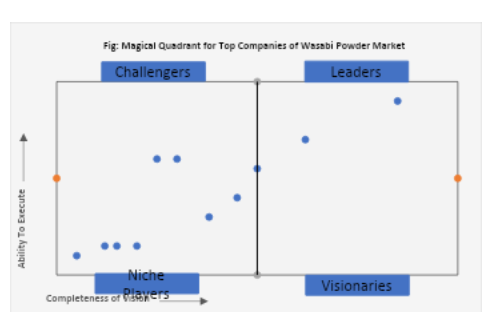
Cognitive Market Research evaluates companies in the wasabi powder market based on several key parameters that showcase their market positioning, product innovation, and competitive edge. Revenue and market share are essential metrics, indicating a company’s capacity to capture substantial consumer demand and solidify its leadership in the market. Companies with high revenue reflect strong brand equity and consumer loyalty, positioning them as dominant players in the competitive wasabi powder market. The range and quality of product offerings are also key factors, as companies that provide a diverse selection of wasabi powder products, including organic, premium, or mixed-flavor variants, are better equipped to meet the varying tastes and preferences of consumers.
Technological innovation is another critical factor in distinguishing successful companies. Businesses that focus on sustainable sourcing, innovative processing methods, and advanced packaging solutions are more likely to gain a competitive edge. The growing focus on clean-label products, where consumers demand transparency and natural ingredients, is driving companies to adapt their offerings accordingly. Additionally, the strength of a company’s distribution network is vital for market expansion. Companies with well-established distribution channels and the ability to reach diverse geographical markets, especially those where demand for exotic and authentic flavors is growing, are positioned for success. R&D investments are also crucial, as companies that allocate resources to product development and innovation can introduce new, value-added wasabi powder products that stand out in the marketplace. Top players in the wasabi powder market are distinguished by their product innovation, ability to adapt to consumer trends, and their geographic reach. Companies that invest in improving the flavor, quality, and packaging of their products are better equipped to cater to the rising demand for premium, natural food ingredients. By developing innovative product lines and expanding their market presence, these companies can capitalize on the growing popularity of Japanese cuisine and the increasing consumer preference for authentic, bold flavors. With a strong focus on sustainability, clean labeling, and premium offerings, leading market players are poised to continue their growth trajectory in the expanding wasabi powder market.
Top Companies Operating in the Wasabi Powder Industry Worldwide
- S&B Foods Inc
- Marui
- Kinjirushi Co
- Eden Foods Inc
- Hime
- Stonewall Kitchen
- Real Wasabi, LLC
- Beaverton Foods
- Yamada
- Kikkoman
Top Manufacturing Companies of Wasabi Powder:
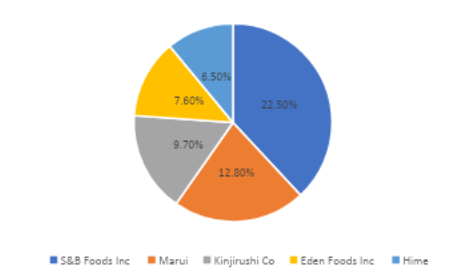
S&B Foods Inc., Marui, Kinjirushi Co., Eden Foods Inc., and Hime are the key players in the Wasabi Powder Market
S&B Foods Inc (Japan)
S&B Foods Inc., headquartered in Tokyo, Japan, is a leading global player in the Wasabi Powder market, with a dominant market share of 22.5%. Founded in 1923, the company has long been recognized for its high-quality wasabi products, ranging from traditional wasabi paste to powdered wasabi used in culinary applications. In 2023, S&B Foods reported a revenue of approximately USD 1.8 billion, with a significant portion derived from the wasabi segment.
Marui
Marui, a prominent Japanese food manufacturer, holds a significant 12.8% market share in the global wasabi powder market. With a history of producing traditional Japanese food products, Marui has established itself as a key player in the wasabi segment, offering a variety of wasabi powder products known for their authentic flavor and quality. The company’s wasabi powder is widely distributed across Japan and exported to international markets, including North America and Europe.
Kinjirushi Co
Kinjirushi Co, based in Japan, is a well-known brand in the wasabi powder market, commanding a 9.7% market share. The company has been in operation for over 100 years, offering a diverse range of high-quality wasabi products, including its signature powdered wasabi. Kinjirushi is known for its meticulous production process, which involves using carefully cultivated wasabi roots to ensure that the final product maintains the traditional flavor and aroma associated with authentic Japanese wasabi.
Eden Foods Inc
Eden Foods Inc, headquartered in Clinton, Michigan, holds a 7.6% share of the global wasabi powder market. Founded in 1968, Eden Foods is a well-regarded organic food company known for its commitment to providing high-quality, natural products. The company’s wasabi powder is derived from organic wasabi roots and is marketed as an all-natural, preservative-free option for health-conscious consumers. Eden Foods has capitalized on the increasing demand for organic and clean-label products, offering wasabi powder that is free from artificial additives and flavors.
Hime
Hime, a well-established Japanese brand, holds a 6.5% market share in the global wasabi powder market. Known for producing a range of traditional Japanese condiments, Hime has become a trusted name in the food industry for its high-quality wasabi products. The company’s wasabi powder is made from high-quality wasabi roots and has gained popularity for its authentic taste and ease of use. In 2023, Hime reported total revenue of USD 150 million, with a growing share attributed to its wasabi products.
Potential Threats to Top Five Players in the Wasabi Powder Market
CMR found the wasabi powder market is becoming increasingly competitive, with emerging players challenging the established dominance of major companies such as Stonewall Kitchen, Real Wasabi, LLC, Beaverton Foods, Yamada, and Kikkoman. New entrants are capitalizing on growing consumer interest in authentic, high-quality wasabi products and are leveraging innovations in product sourcing, production techniques, and regional market expansion. For instance, Real Wasabi, LLC, which focuses on producing authentic, fresh wasabi root products, is gaining traction by emphasizing the authenticity of its ingredients and offering premium-quality wasabi powder. Beaverton Foods, already known for its variety of sauces, is branching into wasabi products and differentiating itself with a broader selection of flavors and blends that cater to diverse consumer tastes. Similarly, Kikkoman, a global leader in soy sauce, is positioning itself as a reliable source of high-quality wasabi powder, using its established distribution channels to expand its presence in the market.
The shift toward natural and organic ingredients in food products is another threat. As consumers demand higher-quality, less processed options, newer brands offering organic wasabi powders are becoming more appealing. For example, Yamada’s focus on sustainability and traditional farming methods for wasabi cultivation is making its products stand out in the market, especially among environmentally-conscious consumers. These emerging brands are able to tap into niche segments by offering premium, eco-friendly alternatives to mainstream products, challenging the market share of established players.
Conclusion
Investments in Authenticity, Innovation, and Sustainability Will Drive Success in the Wasabi Powder Market
The wasabi powder market is undergoing significant transformation, driven by a shift in consumer preferences towards premium, authentic, and environmentally sustainable food products. As the market expands, there is a growing demand for high-quality, authentic wasabi sourced from traditional farming regions, creating an opportunity for emerging players to capitalize on the trend. While established companies such as Stonewall Kitchen, Real Wasabi, LLC, Beaverton Foods, Yamada, and Kikkoman continue to dominate the market with their established networks and trusted brands, the entry of new players is intensifying competition. These newcomers are leveraging innovation, sustainability, and regional expansion strategies to challenge the market leaders, proving that there is room for new and disruptive approaches in the sector.
To excel in this competitive market, new entrants must prioritize authenticity in their sourcing practices, ensuring that their products stand out as genuine and high-quality alternatives to mass-produced options. Consumers are increasingly looking for transparency and traceability in food sourcing, which means that highlighting the origins of ingredients and showcasing the ethical practices behind production will be key to building consumer trust. Additionally, innovation in product offerings such as unique wasabi blends, organic or allergen-free variations, and eco-friendly packaging will help new players capture the attention of health-conscious and environmentally aware consumers. Moreover, adopting sustainable practices, both in sourcing and packaging, will not only meet consumer demand for environmentally friendly products but also improve brand reputation in an increasingly sustainability-conscious market.

 X
X
Article Details
-
Author Sneha Mali
-
Published 09 Apr 2025
-
Last Updated 16 Jun 2025
-
Reading Time~3 minutes
Related Reports
Get a Custom Report
Interested in a similar analysis for your market? Our experts can deliver a customized report.
Contact Our ExpertsMore Articles
Explore all published articles across 30+ industry verticals.
View All Articles