Article
Introduction to the POP Display Market
The Point-of-Purchase (POP) Display market is experiencing significant growth, driven by the increasing emphasis on in-store marketing and brand visibility across retail sectors. According to Cognitive Market Research, the market is valued at USD 11,524.8 million in 2024 and is projected to expand at a CAGR of 8.80%, reaching USD 22,629.0 million by 2032. POP displays play a crucial role in influencing consumer purchasing behavior by enhancing product presentation and brand engagement at retail locations. These displays are widely used across supermarkets, hypermarkets, convenience stores, and specialty retail stores to drive impulse purchases and improve brand recall. The growing adoption of innovative, customized, and interactive display solutions is further propelling market growth, particularly in industries such as food and beverages, cosmetics, electronics, and consumer goods. The expansion of the POP display market is fueled by advancements in digital signage, augmented reality (AR), and eco-friendly display solutions. Retailers are increasingly adopting digital POP displays equipped with motion sensors, LED lighting, and interactive touchscreens to engage customers and provide real-time promotions. Additionally, sustainability concerns are leading to a shift toward biodegradable and recyclable materials in display manufacturing, reducing environmental impact while maintaining aesthetic appeal. Brands and retailers are leveraging data analytics and AI-driven insights to optimize display placement and enhance customer engagement. North America and Europe remain key markets for POP displays due to the strong presence of established retail chains, while the Asia-Pacific region is witnessing rapid growth, driven by expanding retail infrastructure and increasing consumer spending power.
Criteria for Comparing Companies in the POP Display Market
Cognitive Market Research evaluates companies in the POP Display market based on key parameters that define their market competitiveness, innovation capabilities, and strategic positioning. Revenue and market share are critical indicators of a company's ability to scale operations and meet the evolving demands of the retail industry. Businesses with strong financial performance demonstrate their capacity to invest in cutting-edge display solutions and expand their market reach. Innovation and technological advancements play a crucial role in distinguishing market leaders. Companies investing in digital signage, AI-driven customer engagement solutions, and modular display systems gain a competitive advantage. The development of smart and interactive POP displays that integrate seamlessly with omnichannel marketing strategies further enhances their appeal to retailers. Additionally, the use of sustainable materials such as corrugated cardboard, bamboo, and recycled plastics is gaining traction as brands focus on reducing their carbon footprint while maintaining visually appealing display solutions.
Geographical reach is another essential factor in assessing a company’s market influence. Businesses with a strong presence in regions with high retail penetration, growing disposable incomes, and an expanding middle class gain a strategic advantage. North America and Europe remain dominant due to their advanced retail ecosystems, while Asia-Pacific is emerging as a high-growth market driven by urbanization and increasing brand-conscious consumers. Investment in research and development (R&D) is also a defining metric, showcasing a company’s commitment to innovation, sustainability, and technological enhancements in POP display solutions.
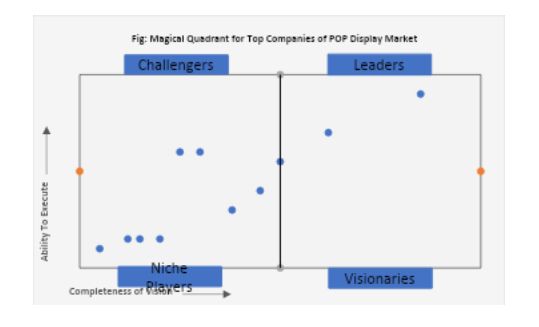
Strategic partnerships and collaborations with retailers, brand marketers, and display manufacturers are vital for fostering market expansion and improving customization capabilities. Companies that engage in joint ventures, acquisitions, and partnerships with global retail giants enhance their visibility and strengthen their competitive positioning. Leading players such as Smurfit Kappa, DS Smith, International Paper, and WestRock stand out due to their focus on sustainable display solutions, technological innovations, and customer-centric marketing strategies. As brands increasingly prioritize experiential retail and personalized shopping experiences, companies that emphasize digital integration, eco-friendly designs, and enhanced customer engagement will lead the evolution of the POP Display market.
Top Companies Operating in the POP Display Industry Worldwide
- International Paper
- DS Smith
- Smurfit Kappa Group PLC
- Sonoco Products Company
- Menasha Packaging Company, LLC
- Georgia-Pacific
- WestRock Company
- Pratt Industries Inc.
- Marketing Alliance Group
- Siffron
Top Manufacturing Companies of POP Display:
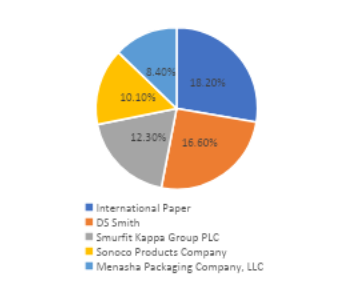
International Paper, DS Smith, Smurfit Kappa Group PLC, Sonoco Products Company, and Menasha Packaging Company, LLC are the key players in the POP Display Market
International Paper
International Paper dominates the POP (Point-of-Purchase) Display Market with an 18.2% market share, leveraging its expertise in paper-based packaging and retail display solutions. The company specializes in the production of customized, sustainable, and high-impact POP displays, helping brands enhance in-store visibility and consumer engagement. In 2023, International Paper’s revenue from POP displays was estimated at over USD 1.5 billion, reflecting strong demand for eco-friendly and strategically designed retail marketing solutions.
DS Smith
DS Smith holds a 16.6% market share, positioning itself as a leader in sustainable and innovative POP display solutions. The company is known for its high-quality, lightweight, and fully recyclable retail displays, which are designed to maximize brand impact, consumer engagement, and supply chain efficiency. In 2023, DS Smith’s revenue from POP display solutions surpassed USD 1.3 billion, fueled by the increasing shift toward eco-friendly retail displays and the rising demand for highly customized promotional packaging.
Smurfit Kappa Group PLC
Smurfit Kappa Group PLC commands a 12.3% market share, recognized for its expertise in corrugated retail display solutions and shopper engagement strategies. The company has established itself as a go-to provider for custom-designed POP displays, catering to industries such as food & beverages, personal care, and consumer electronics. In 2023, Smurfit Kappa’s revenue from POP display solutions reached approximately USD 950 million, reflecting increased adoption of recyclable and visually engaging point-of-sale displays.
Sonoco Products Company holds a 10.1% market share, specializing in structurally robust and visually compelling POP display solutions for consumer-packaged goods (CPG), retail, and promotional advertising. The company provides custom-engineered retail displays that enhance brand engagement, impulse purchases, and retail marketing efficiency. In 2023, Sonoco’s revenue from POP display solutions exceeded USD 780 million, driven by strong demand for cost-effective, high-impact, and digitally printed displays..
Menasha Packaging Company, LLC
Menasha Packaging Company, LLC secures an 8.4% market share, known for its expertise in customized, promotional, and sustainable POP display solutions. The company provides highly creative and functional retail merchandising displays, catering to CPG, food & beverage, healthcare, and technology brands. In 2023, Menasha’s revenue from POP display solutions was estimated at USD 650 million, reflecting the increasing adoption of consumer-driven and retail-ready display formats.
Potential Threats to Top Five Players in the POP Display Market
CMR found that the Point-of-Purchase (POP) Display market is experiencing heightened competition, with emerging players challenging the dominance of leading companies such as Georgia-Pacific, WestRock Company, Pratt Industries Inc., Marketing Alliance Group, and Siffron. The landscape is evolving as new entrants leverage advancements in digital integration, sustainable materials, and customization to gain a foothold in the industry. Companies such as Smurfit Kappa, DS Smith, Sonoco Products Company, U.S. Display Group, and Creative Displays Now are focusing on innovative designs, interactive displays, and eco-friendly solutions to attract retail brands seeking more engaging and cost-effective promotional tools. DS Smith, for example, has strengthened its market position by developing fully recyclable corrugated POP displays, aligning with retailers' growing preference for sustainability. Meanwhile, U.S. Display Group is enhancing its customization capabilities, offering modular and reusable display systems to cater to diverse branding needs, further intensifying competition.
In addition to sustainability and customization, the rise of digital retail marketing is reshaping the competitive dynamics of the POP display sector. Many retailers are integrating digital screens, touch-enabled displays, and augmented reality (AR) elements into their POP solutions, creating immersive customer experiences that enhance engagement and drive sales. Emerging players capitalizing on digitalization trends pose a significant challenge to traditional market leaders that rely on conventional print-based displays. Additionally, with the rapid shift toward omnichannel marketing, the ability to integrate online and offline shopping experiences through interactive displays is becoming increasingly valuable. To maintain their competitive edge, established companies must adapt to these market shifts, investing in digital display technologies, sustainable materials, and agile manufacturing processes to meet evolving consumer demands. The companies that fail to embrace these transformative trends risk losing market share to agile competitors who are quicker to respond to these emerging retail dynamics.
Conclusion
Investments in Innovation, Sustainability, and Strategic Expansion Are Essential for Long-Term Success in the POP Display Market
The future of the POP Display market will be shaped by continuous advancements in material innovation, digital retail integration, and tailored marketing solutions. As emerging players disrupt the market with new technologies and eco-friendly alternatives, both established and new entrants must prioritize R&D to maintain relevance and competitiveness. Companies that fail to align with shifting consumer expectations and technological advancements may face challenges in sustaining long-term growth.
Adapting to shifting retailer preferences by investing in sustainable materials, digital interactivity, and customized display solutions will be key to long-term success. Companies that forge strategic partnerships with brands, embrace cutting-edge retail technologies, and refine their supply chains to offer flexible, cost-effective displays will be well-positioned to thrive. In a rapidly evolving retail landscape, businesses that blend sustainability with digital transformation will drive the next phase of growth in the POP Display market. Additionally, companies that proactively invest in automation and AI-driven retail analytics will gain a competitive edge in optimizing store layouts and enhancing brand engagement. Ultimately, the businesses that successfully combine sustainability, technology, and adaptability will lead the future of the POP Display industry.
 X
X
Article Details
-
Author Sneha Mali
-
Published 28 Apr 2025
-
Last Updated 16 Jun 2025
-
Reading Time~3 minutes
Get a Custom Report
Interested in a similar analysis for your market? Our experts can deliver a customized report.
Contact Our ExpertsMore Articles
Explore all published articles across 30+ industry verticals.
View All Articles