Article
Introduction
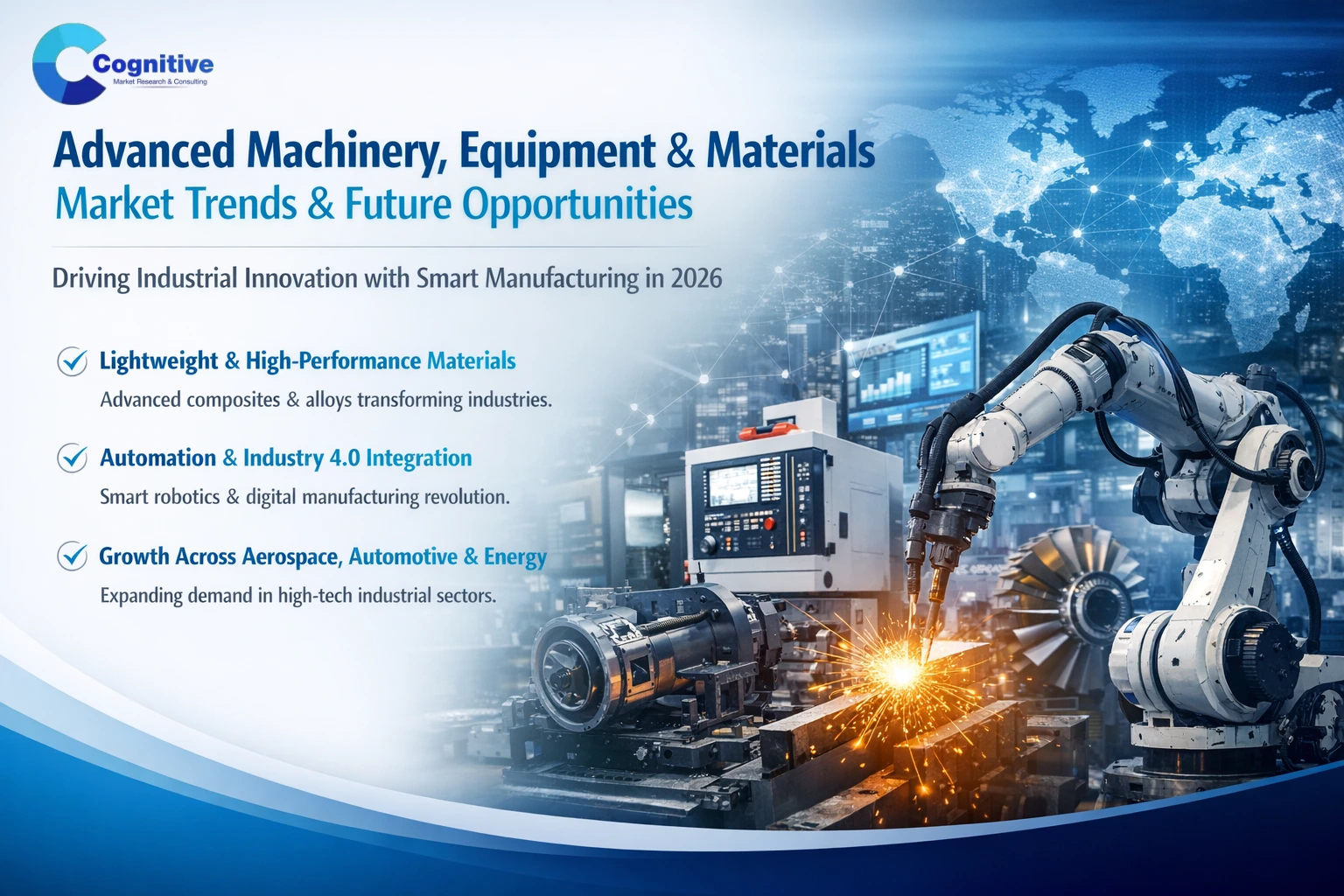
The biggest shift we’ve noticed this year is that automation has stopped being dumb. We’ve moved past the era where a robot just repeats a pre-programmed path. In 2026, we’re seeing the rise of Physical AI. These machines are now using edge computing to actually sense what’s happening. If a batch of raw material shows up with a slight variance in density, the machine doesn't just jam or produce scrap; it adjusts its own torque and speed on the fly. For our clients, this isn’t just a cool tech update it’s the difference between a 5% margin and a 15% margin.
The Trends Actually Moving the Needle
1. The Green Machine Isn’t Optional Anymore
Decarbonization has moved from the PR department straight to the engineering floor. By 2026, we’re seeing a massive push for the electrification of heavy equipment. Whether it’s mining rigs or construction excavators, the demand for high-voltage battery integration is through the roof. But it goes deeper than just the power source. We’re seeing a huge trend in Circular Materiality designing machines with high-strength alloys that are specifically engineered to be melted down and reused at the end of their life cycle.
2. Hard-to-Machine Materials are the New Standard
With the aerospace boom and the next generation of EVs, everyone is working with nightmare materials titanium, carbon-fiber composites, and ultra-high-temp ceramics. If your machinery can’t handle these lightweight but incredibly tough materials with high-precision 5-axis machining, you’re going to lose out to the shops that can. Precision is no longer the goal; it’s the baseline.
3. The Shift to Equipment-as-a-Service (EaaS)
This is a huge one for the C-suite. We’re seeing more manufacturers stop selling machines entirely. Instead, they’re selling uptime. In 2026, a client might not buy a $2 million press; they’ll pay for every successful part it stamps out. This puts the burden of maintenance on the manufacturer, which is why digital twins and remote diagnostics have become the most important tools in your shed. If you can’t predict a failure before it happens, you lose money on the service contract.
4. The Micro-Factory and Reshoring
Supply chains are still shaky, and geopolitical tension hasn't exactly gone away. Because of that, we’re seeing a trend toward smaller, localized Micro-Factories. Instead of one massive plant in one country, companies are buying compact, high-output advanced machinery that can be dropped into a small warehouse near the end customer. It’s about being agile, not just big.
Where the Real Growth Opportunities Are
Retrofit Intelligence: There is a goldmine in Aftermarket AI. Not everyone can afford to replace a fleet of machines. If you can manufacture smart sensor kits that turn a 10-year-old dumb machine into a connected, data-sharing asset, you’ve got a winning product.
Modular Engineering: Clients want LEGO-style machinery. They want to be able to swap out a laser head for a water-jet cutter without buying a whole new unit. If your gear is modular and easy to upgrade, you’ll win the long-term loyalty of mid-market players.
PFAS-Free Materials: Regulatory pressure on forever chemicals is hitting an all-time high in 2026. There is a massive opening for anyone producing bio-based lubricants and high-performance polymers that don't fall under these new environmental bans.
Conclusion
The competitive landscape in 2026 is brutal for those who just sell iron. To survive, you have to pivot into being a solution architect. The value has shifted away from the physical weight of the machine and toward the intelligence of the software and the sustainability of the materials used.

 X
X
Article Details
-
Author Manjiri Kanhere
-
Published 24 Jan 2025
-
Last Updated 02 Apr 2026
-
Reading Time~3 minutes
Related Reports
Get a Custom Report
Interested in a similar analysis for your market? Our experts can deliver a customized report.
Contact Our ExpertsMore Articles
Explore all published articles across 30+ industry verticals.
View All Articles